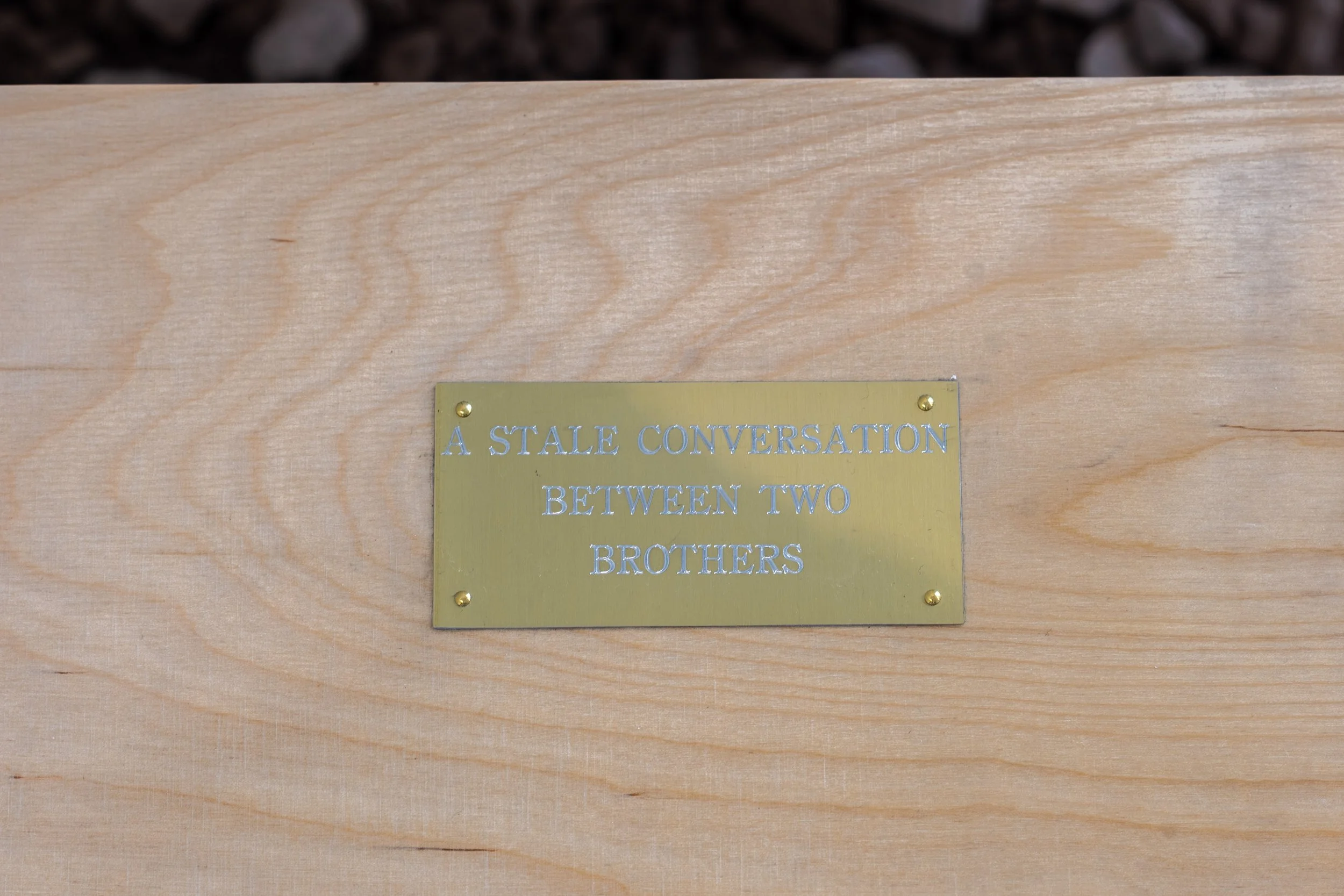
A Stale Conversation Between two brothers
Installation, GSA Undergraduate Degree Show 2024
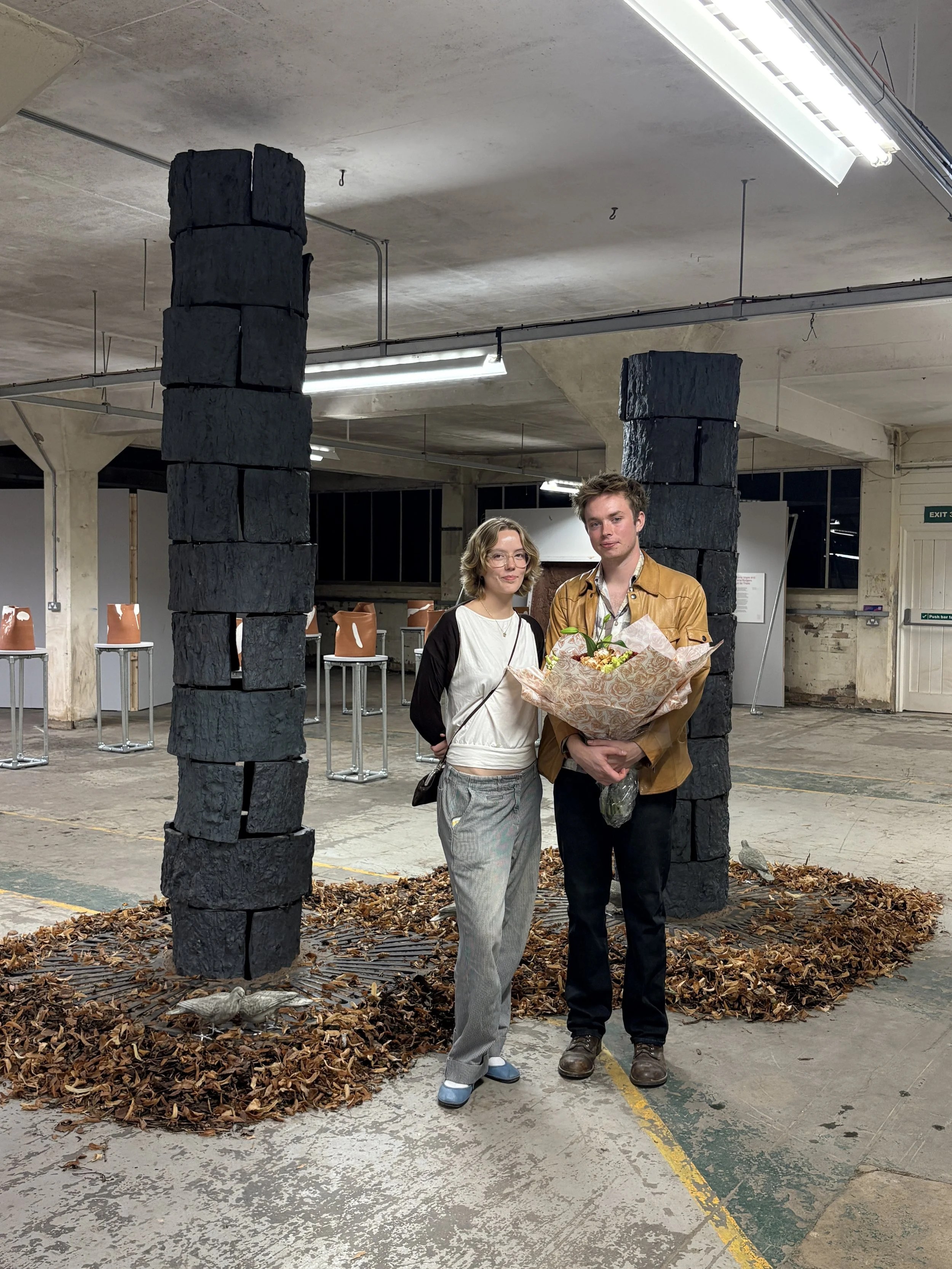
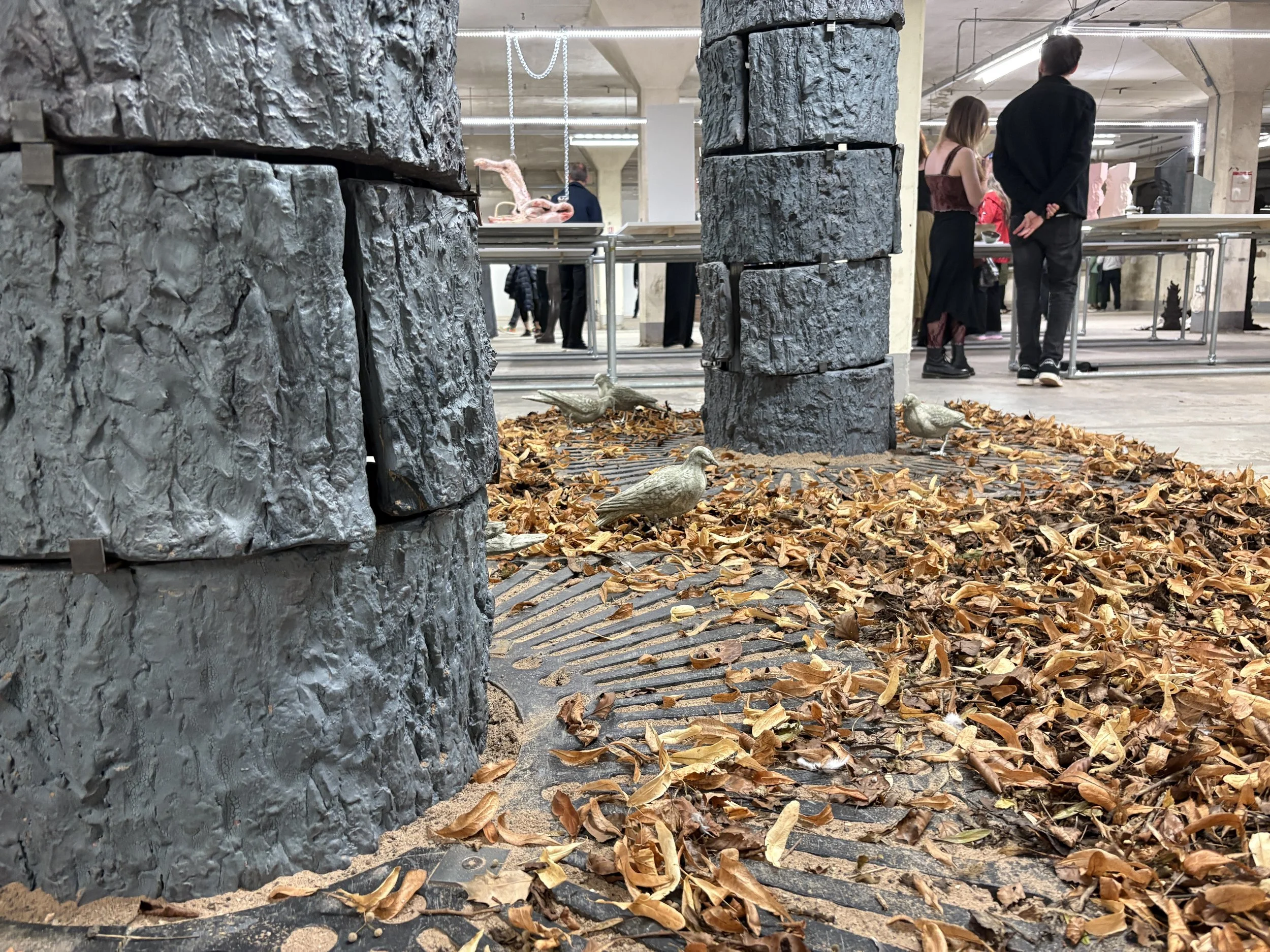
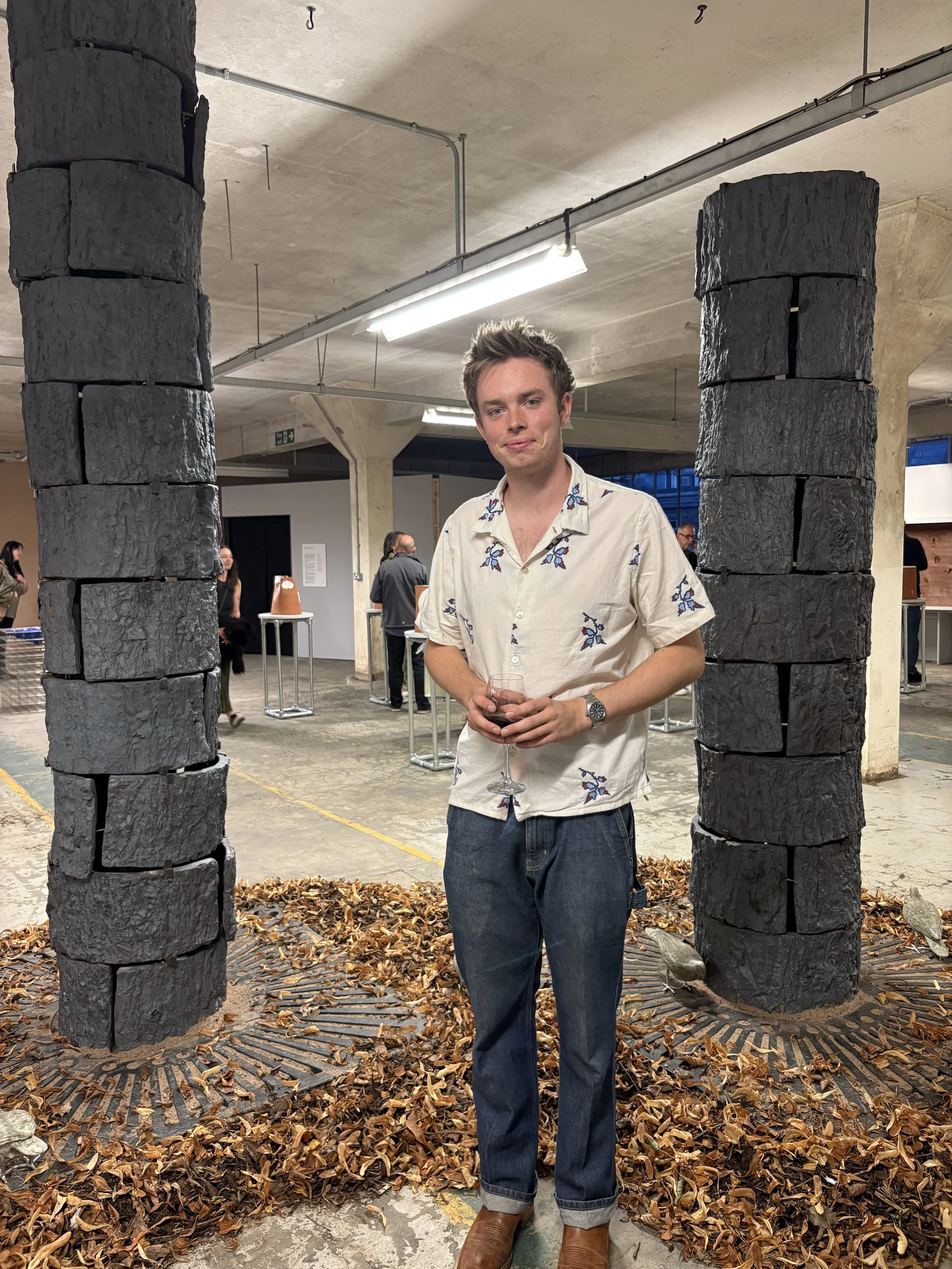
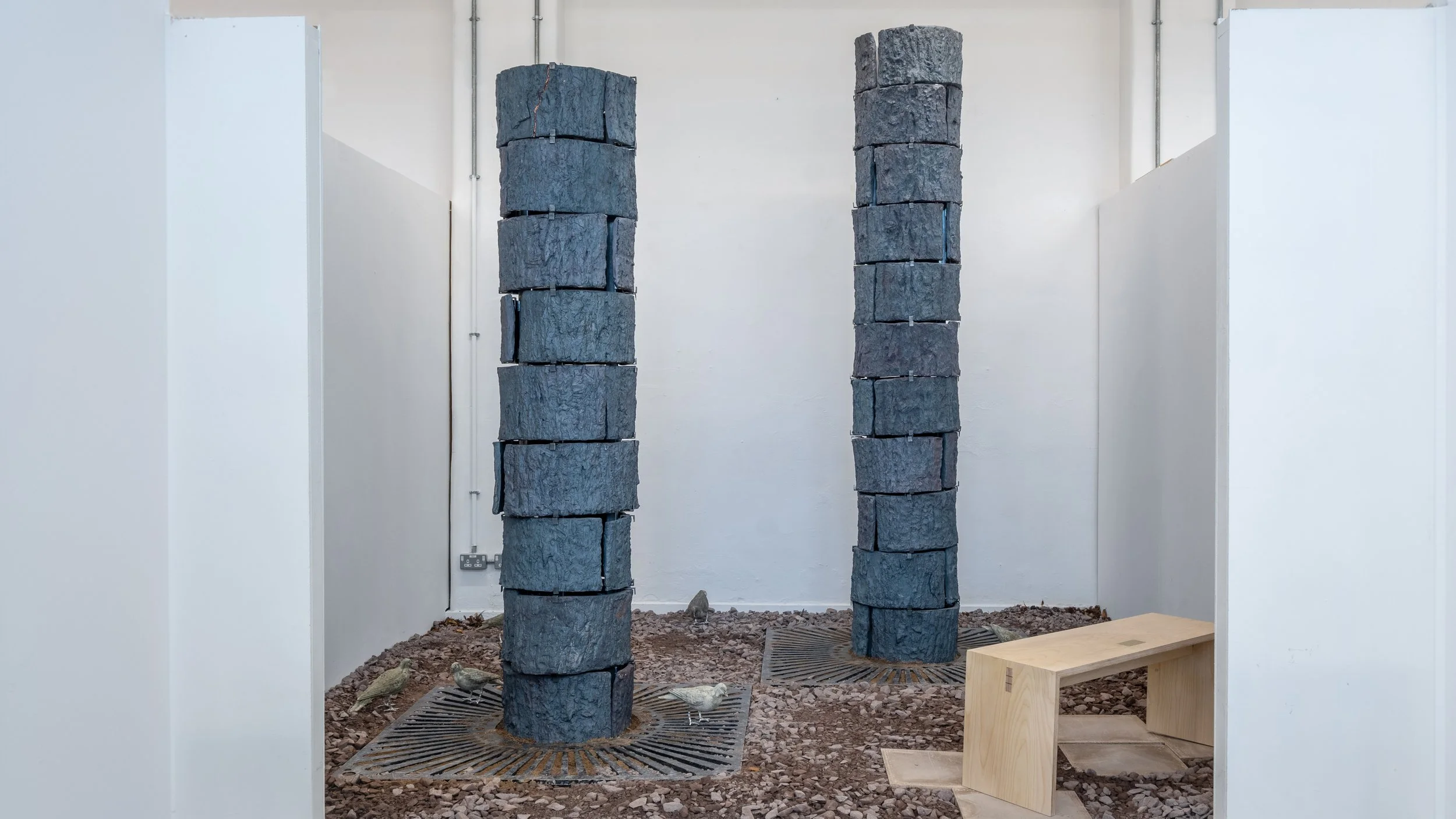
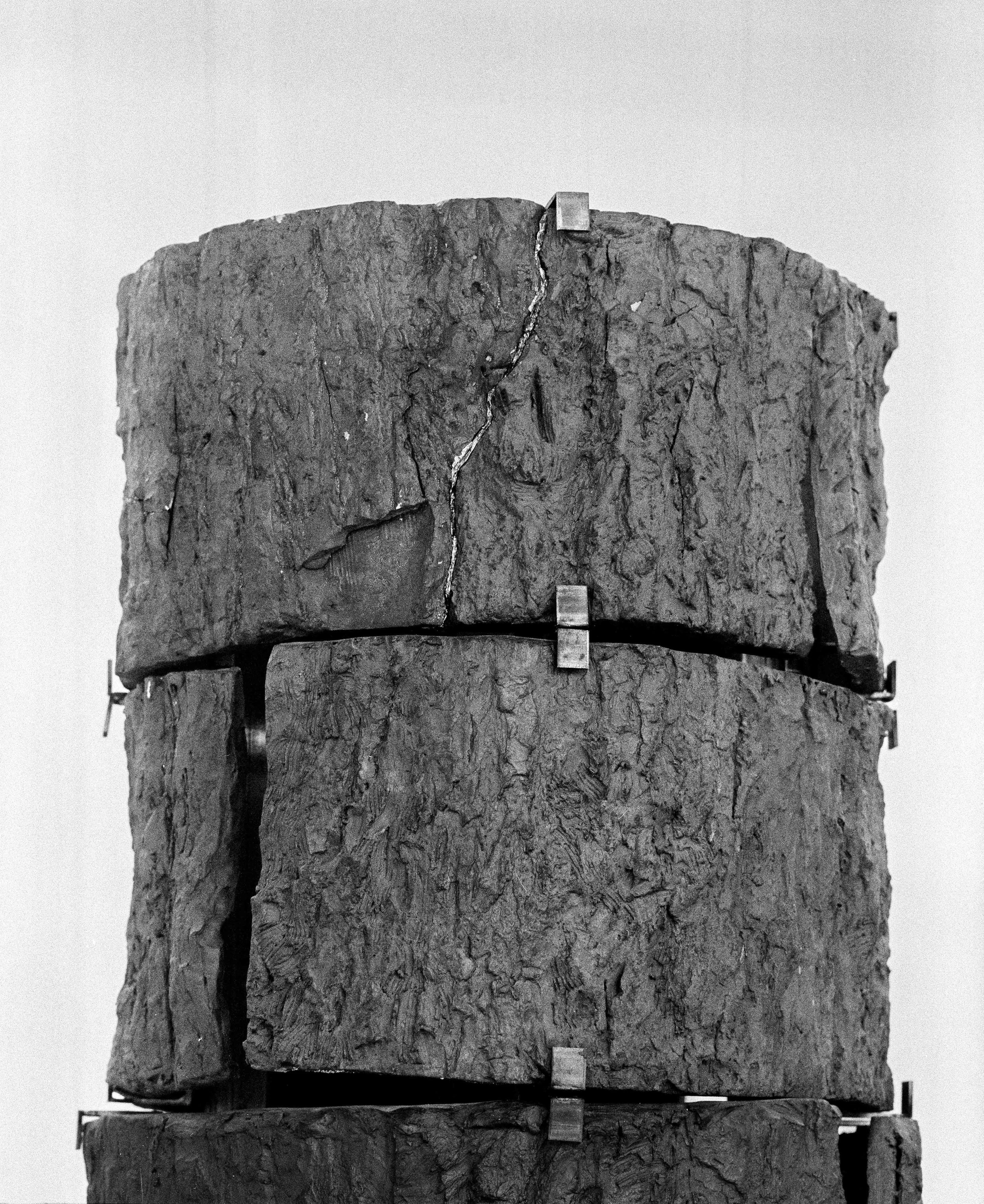
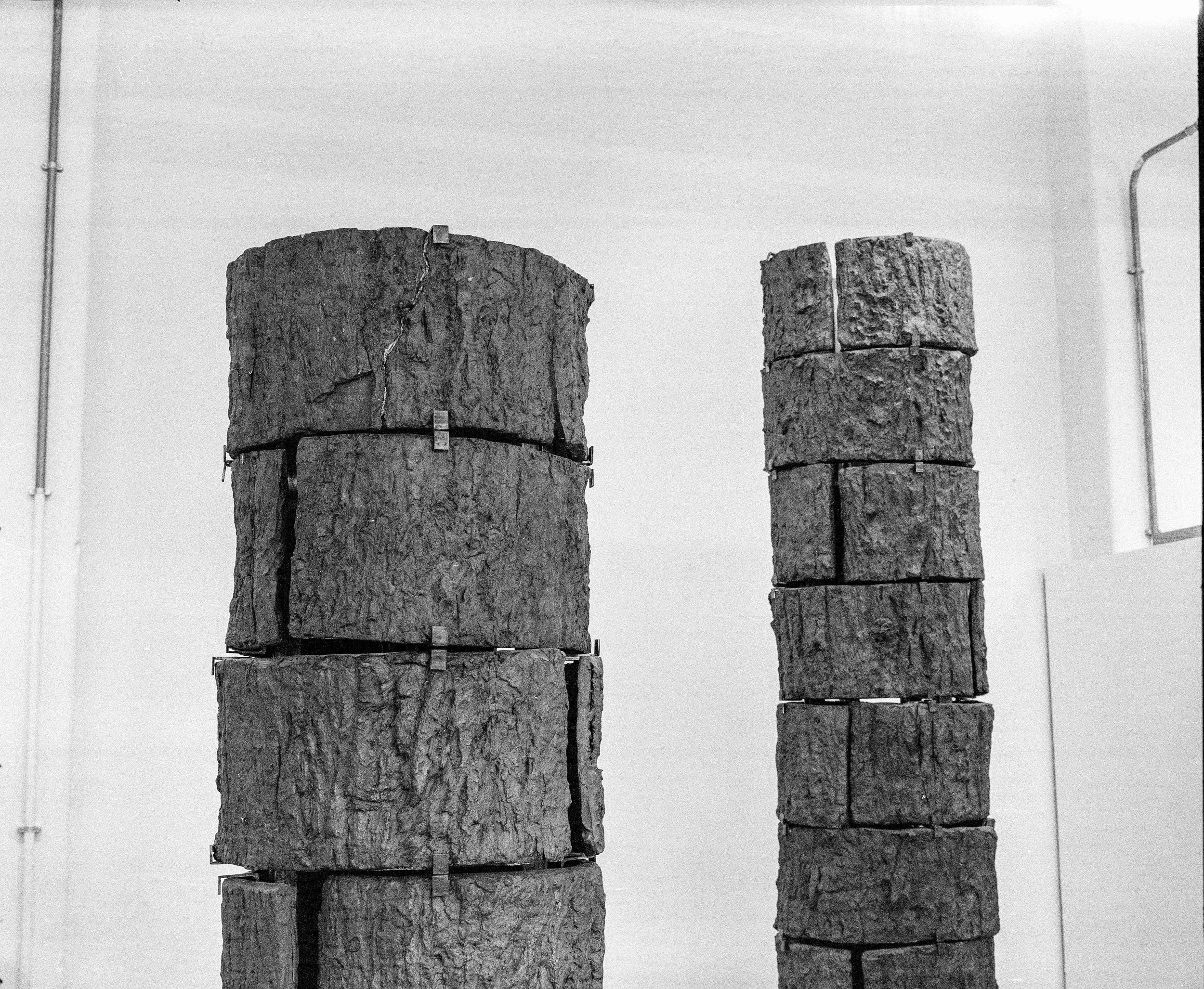
A Stale Conversation Between Two Brothers is an installation about fabricated landscapes, stagnation and the strange ways we adapt to our surroundings. Two hollow ceramic trees grow from cast-iron tree grilles and rubble, creating a landscape that looks familiar but feels slightly wrong. Everything suggests growth, care and progress, but nothing is really alive or changing.
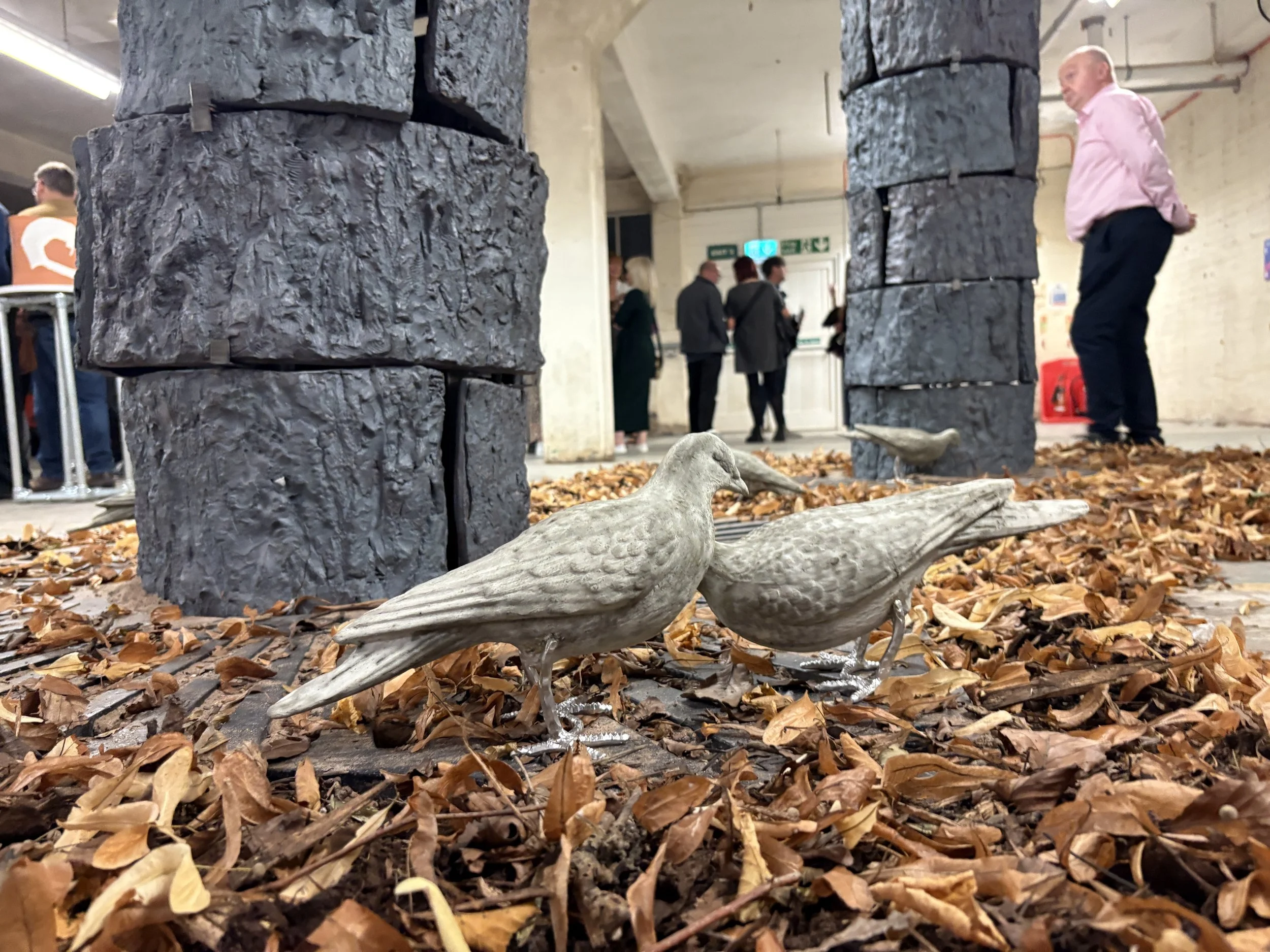
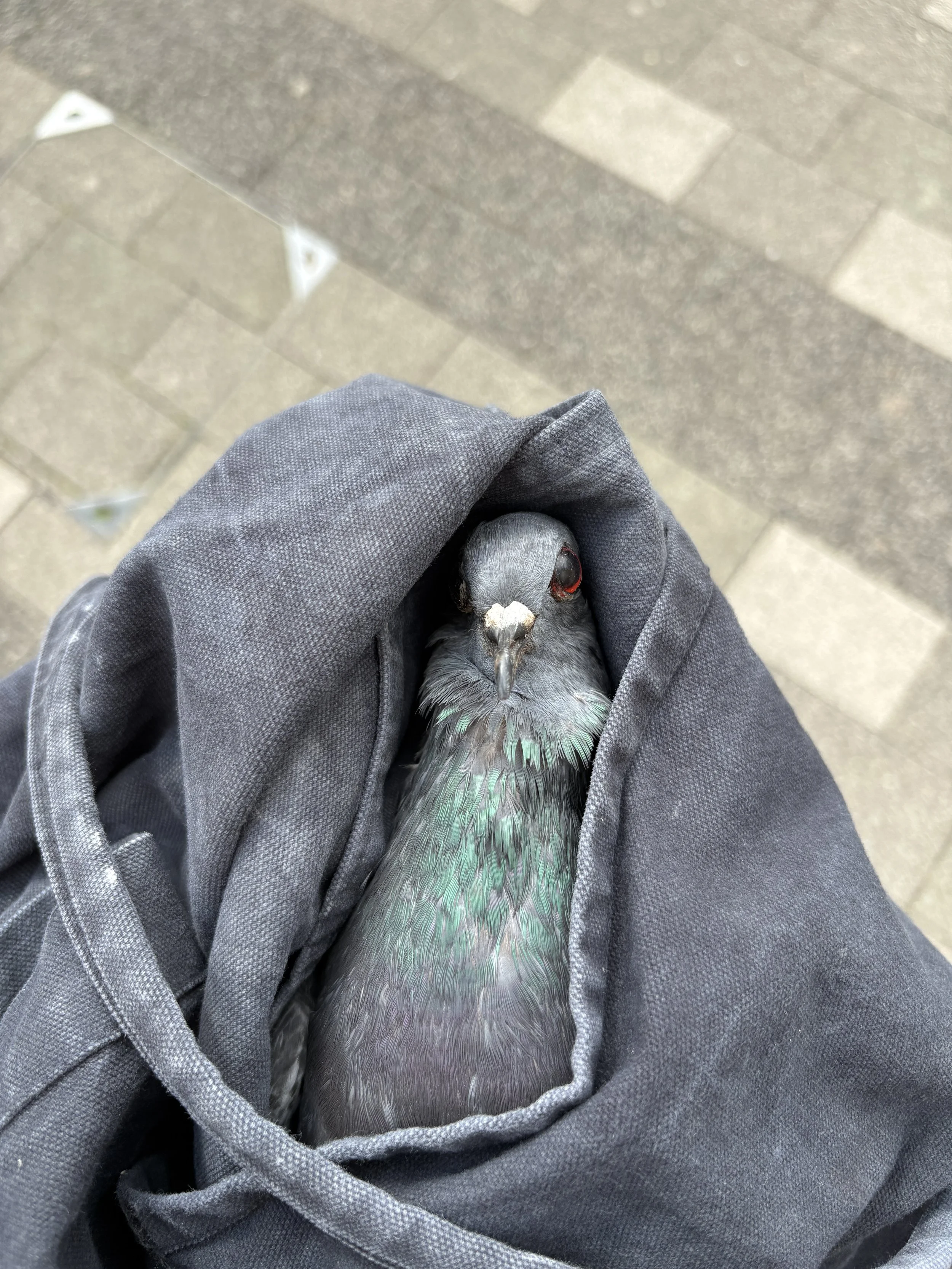
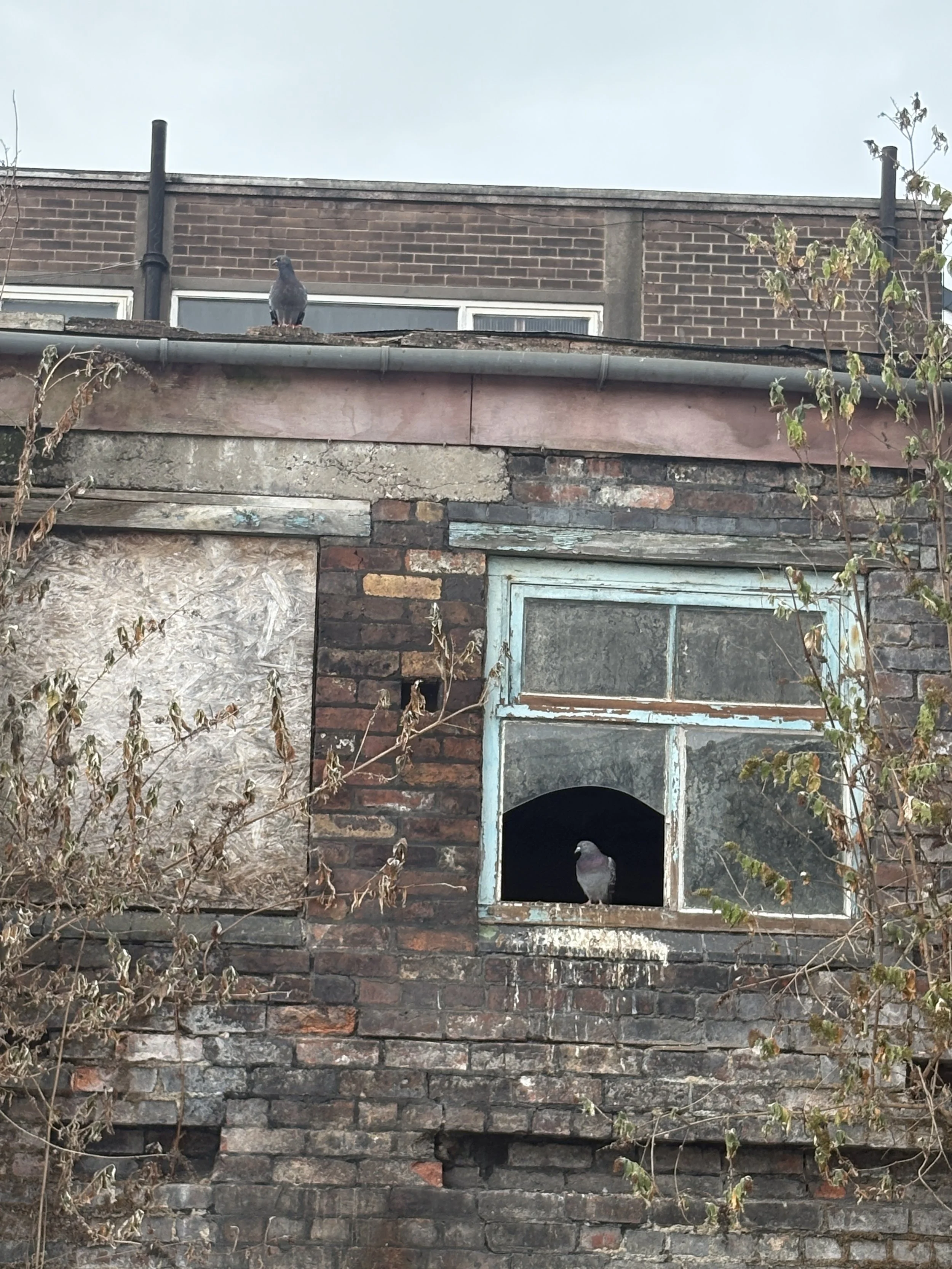
The pigeons are central to the work. I have always found them strangely human. They live alongside us, adapt to our cities and survive on what we throw away, yet we barely notice them. They are wild animals that have become completely entangled with human life. To me, they reflect some of our more basic behaviours: consuming, adapting, following patterns and simply getting by.
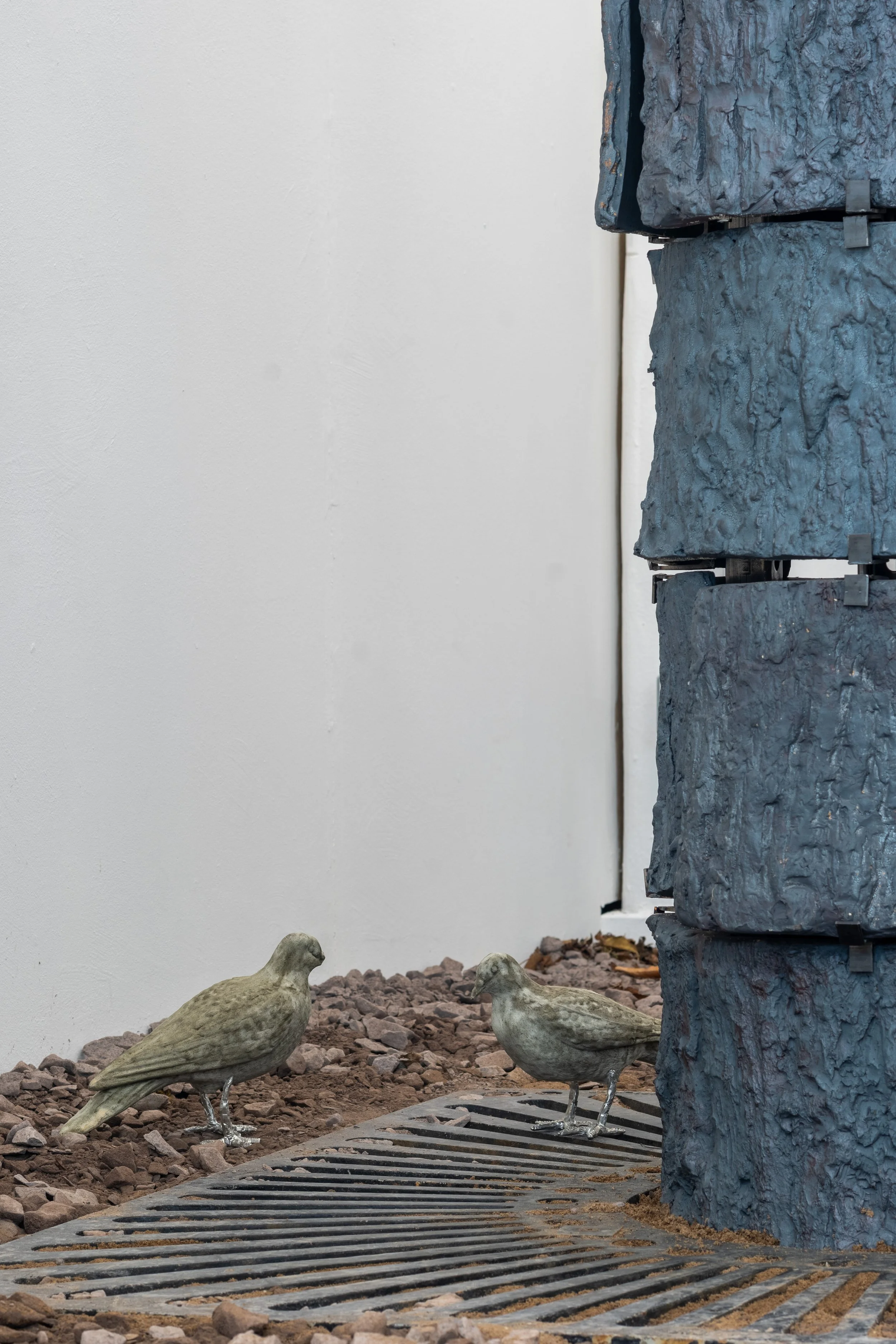
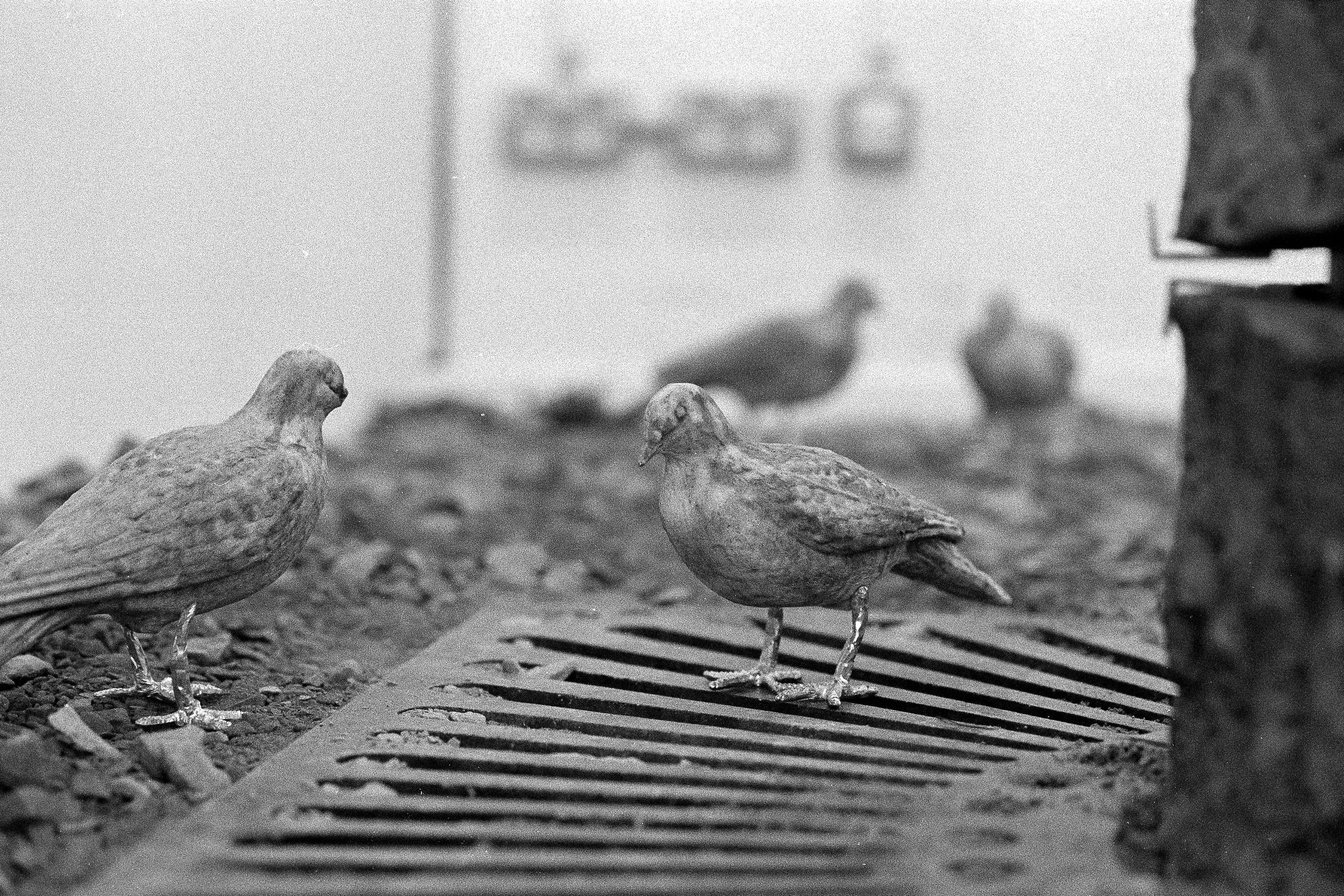
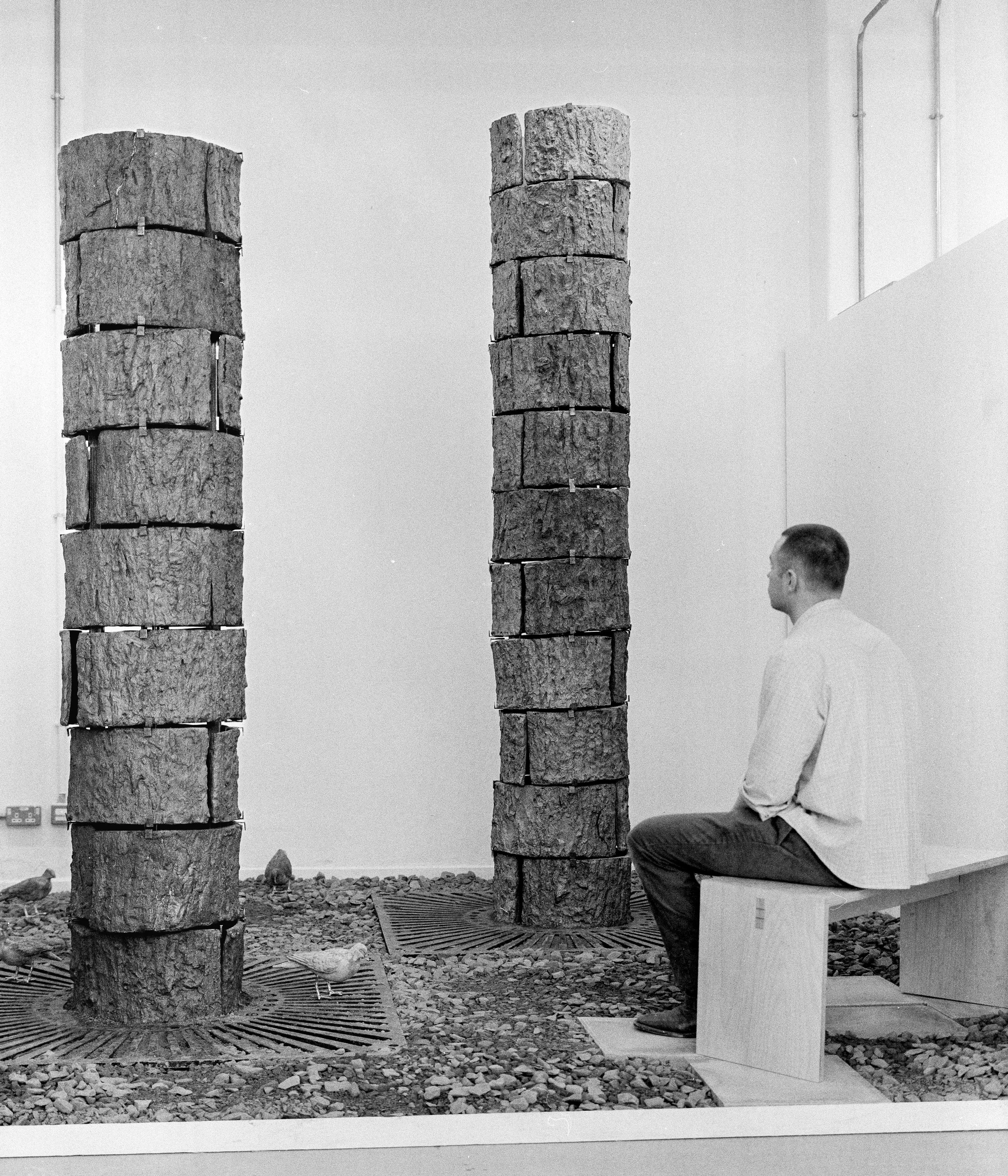
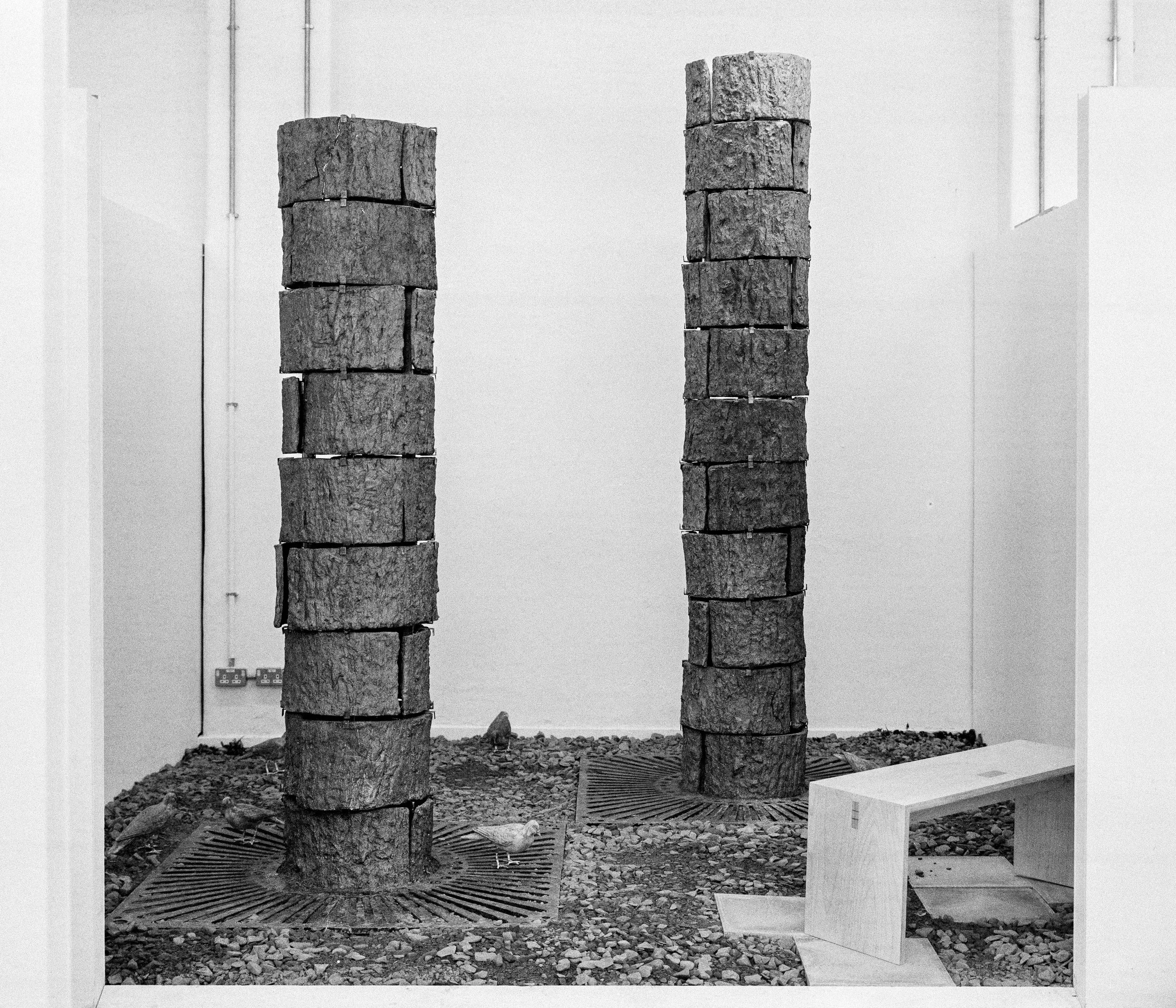
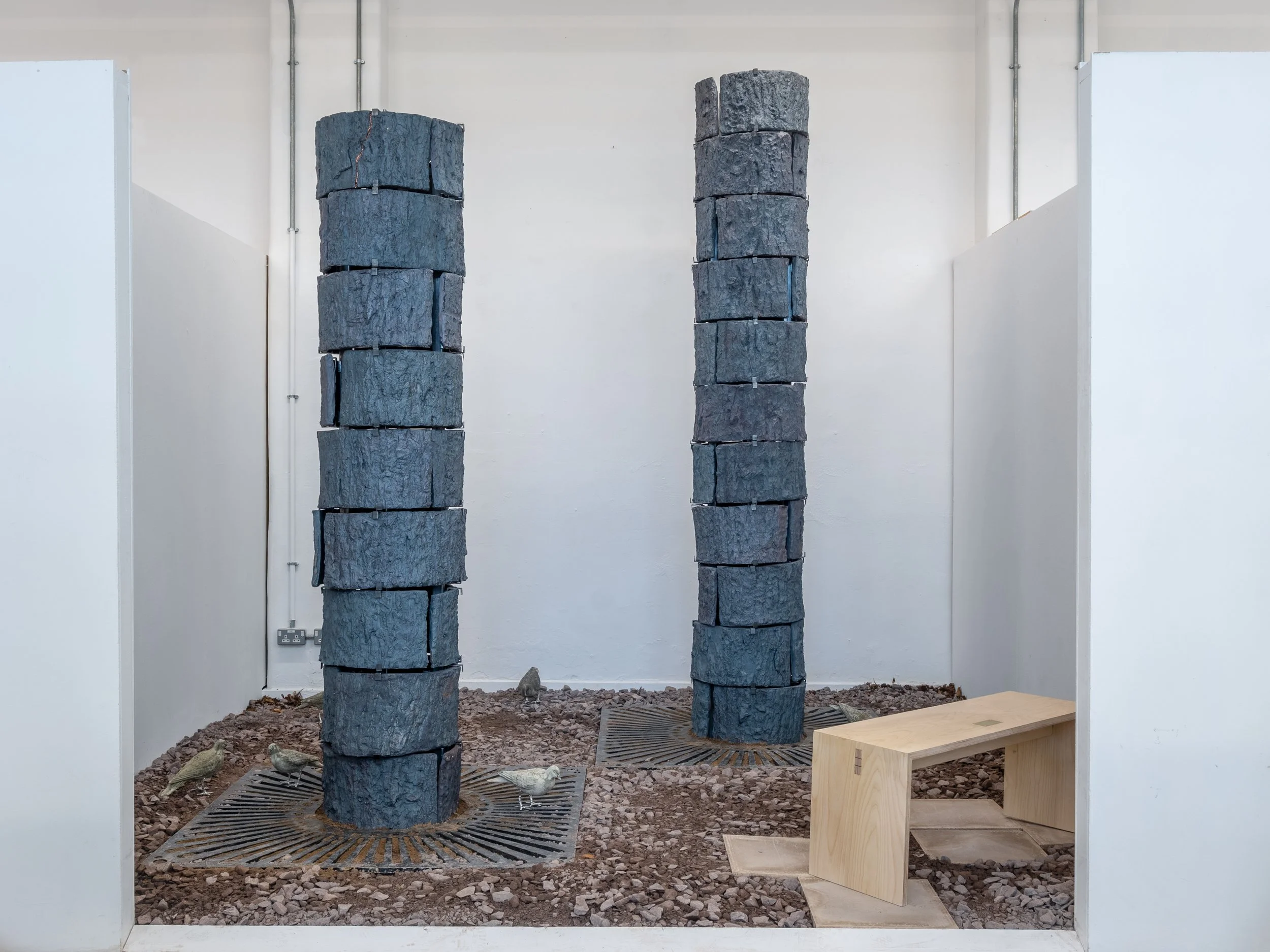
The pigeons are slip-cast from decoy birds, copies of an imitation. I like this idea of making a copy of something that was already made to represent something else. They become stand-ins for people, but also for the repetitive and programmed way we can move through everyday life. I call them Taub, the German word for both “pigeon” and “deaf”. I think there is something fitting in this double meaning. We are surrounded by information, but increasingly seem unable, or unwilling, to listen.
The work also comes from a feeling of numbness I have experienced through constantly consuming information. Notifications, social media, news and images of violence all arrive through the same screen. Horrific events can sit alongside advertisements and videos of people cooking dinner, and it can become difficult to know how to respond. I find myself wanting to look away while also feeling that I shouldn't. The installation comes from that uncomfortable state of being overwhelmed but still carrying on.
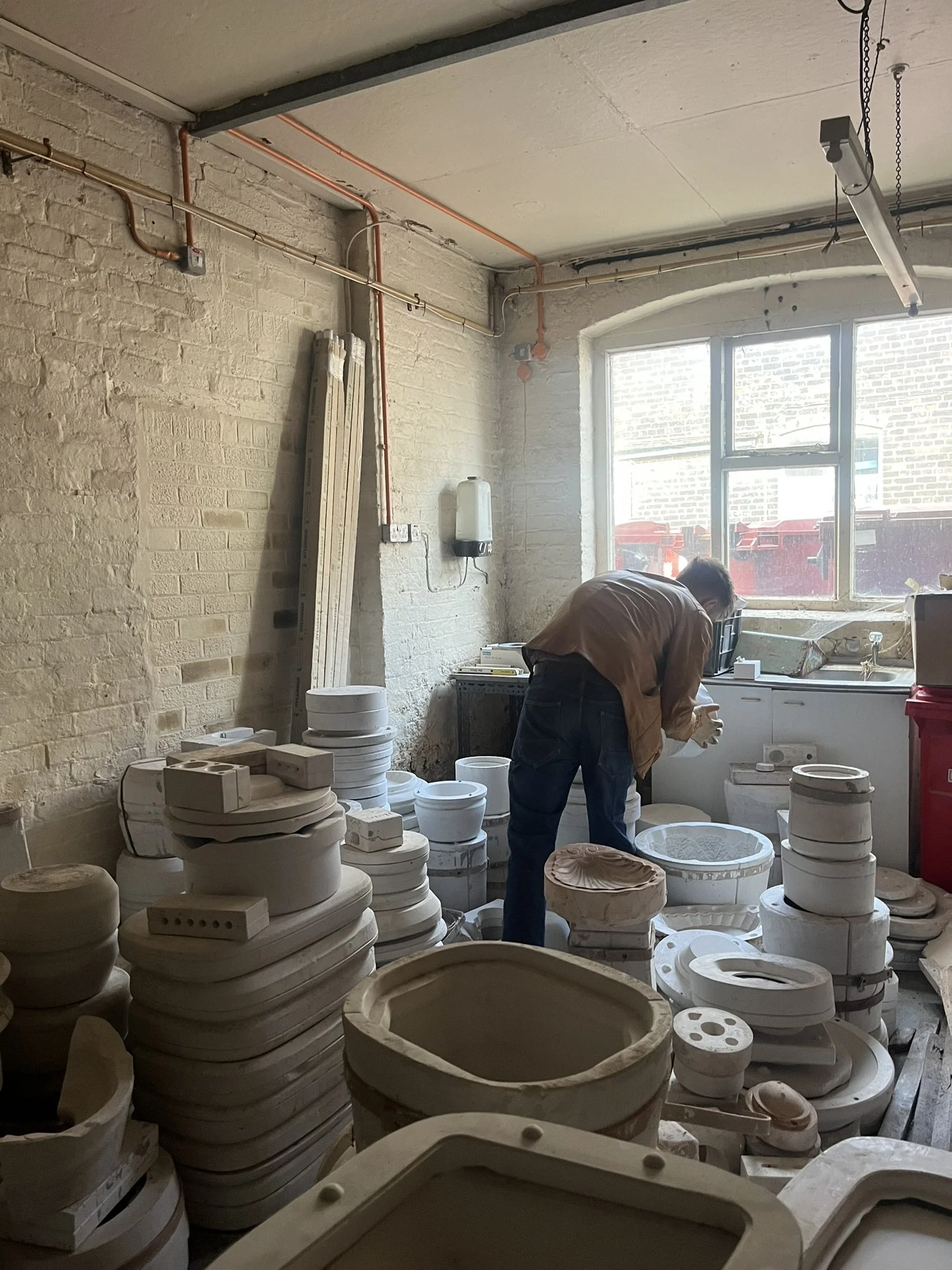
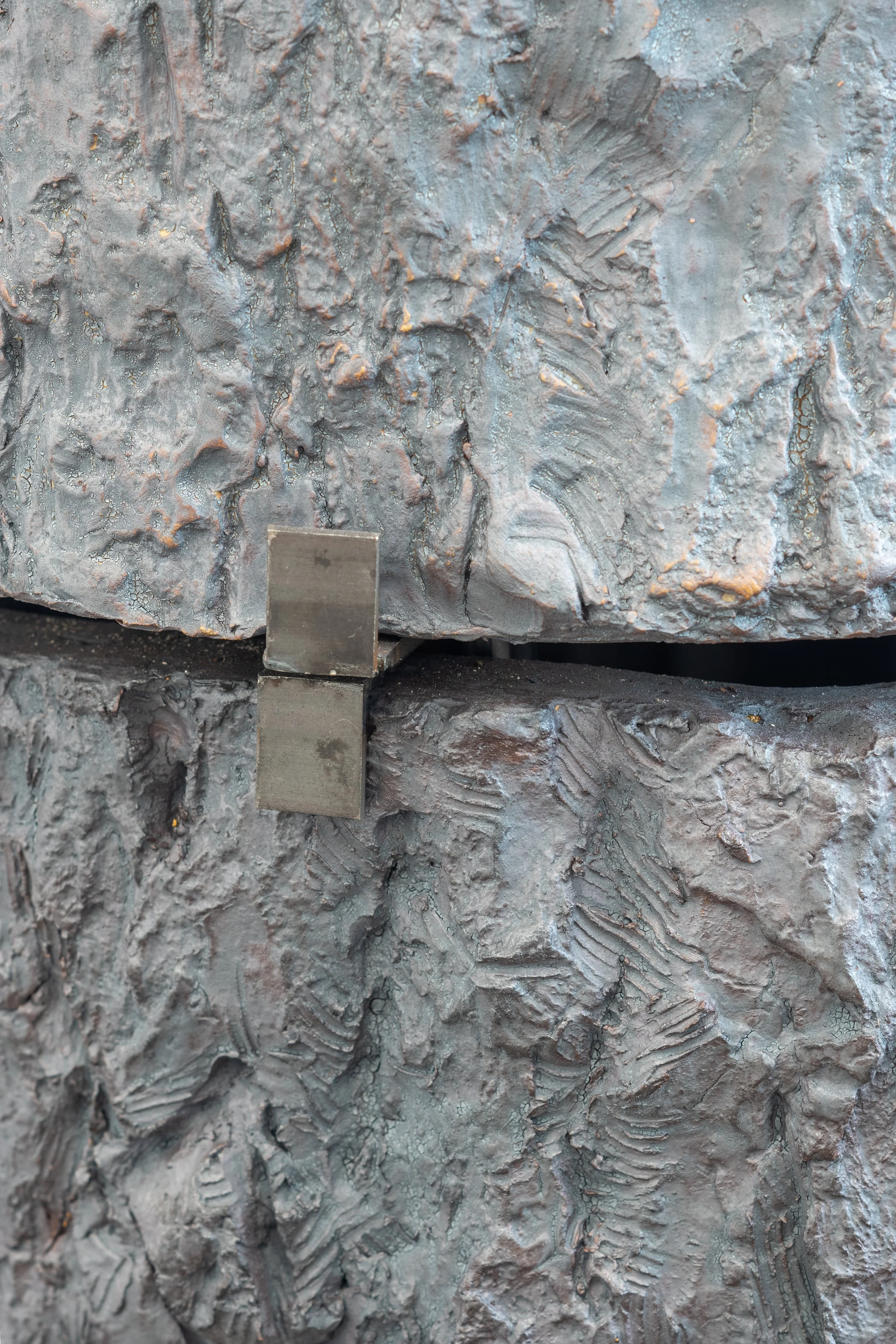
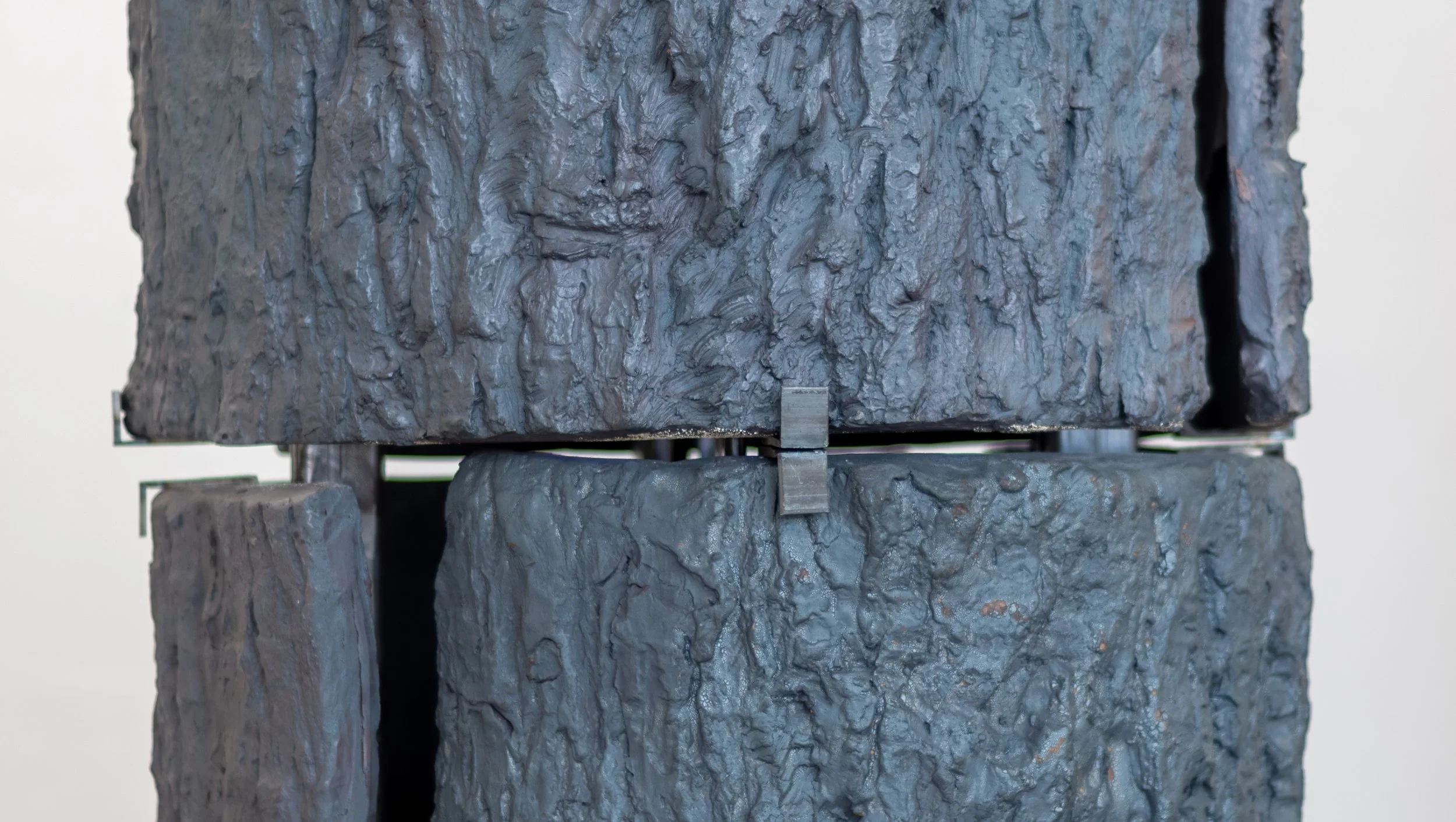
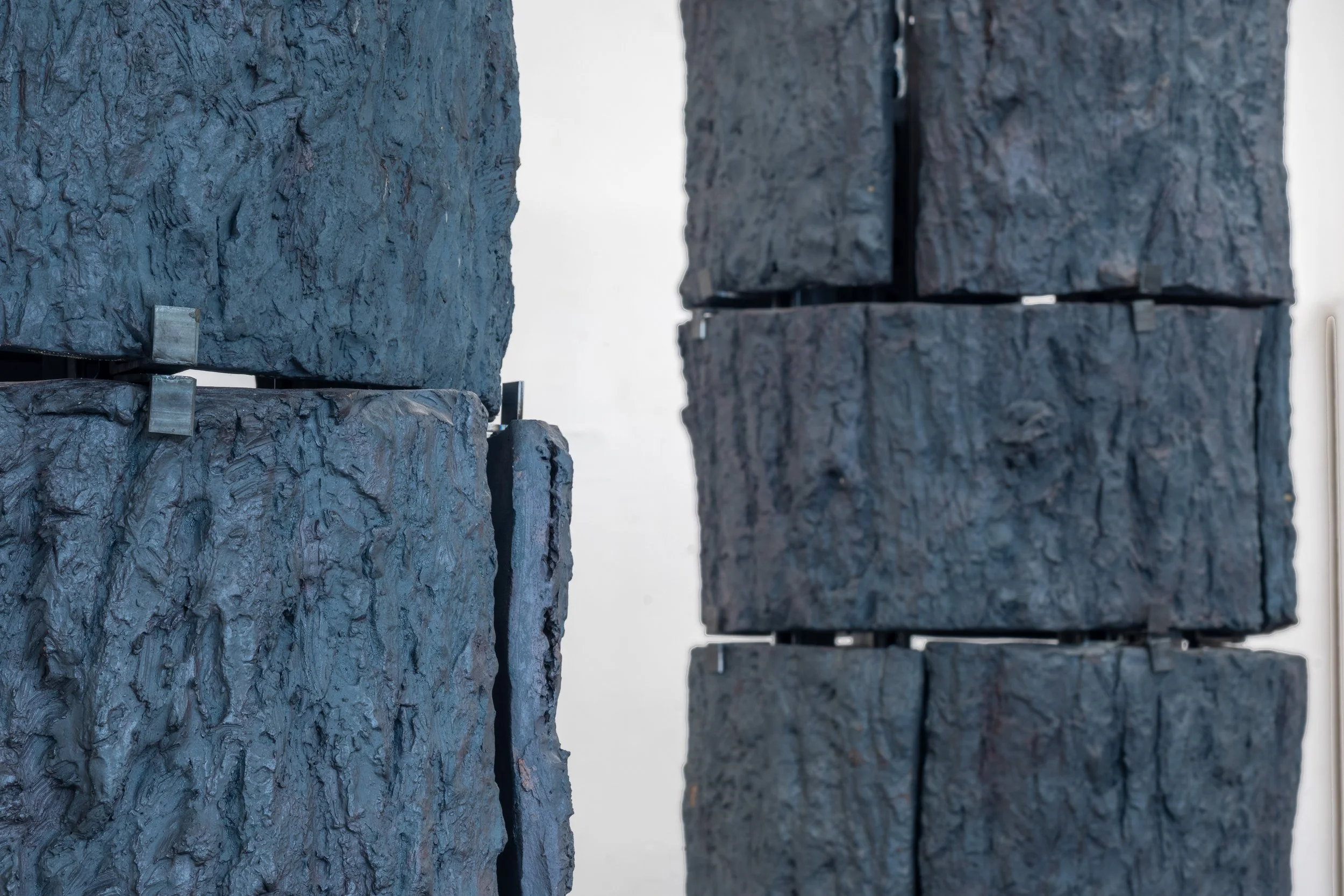
The ceramic trees are made from casts of real bark. I wanted the surfaces to sit somewhere between natural and manufactured, with the moulds capturing not only the bark but also the seams, fingerprints and marks from the making process. The trees are hollow, which exposes the artificiality of the landscape. They look like trees, but they are clearly objects pretending to be trees.
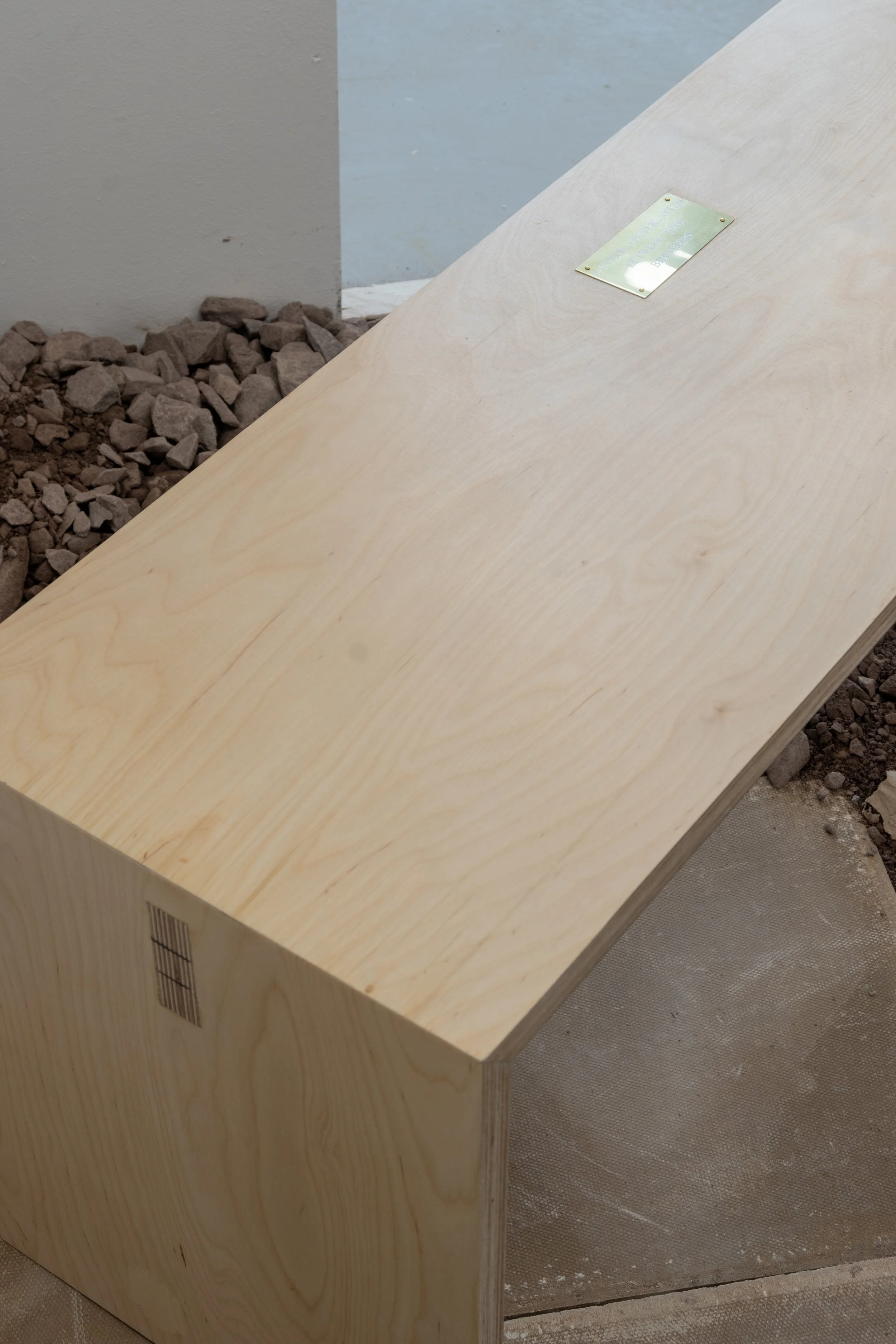
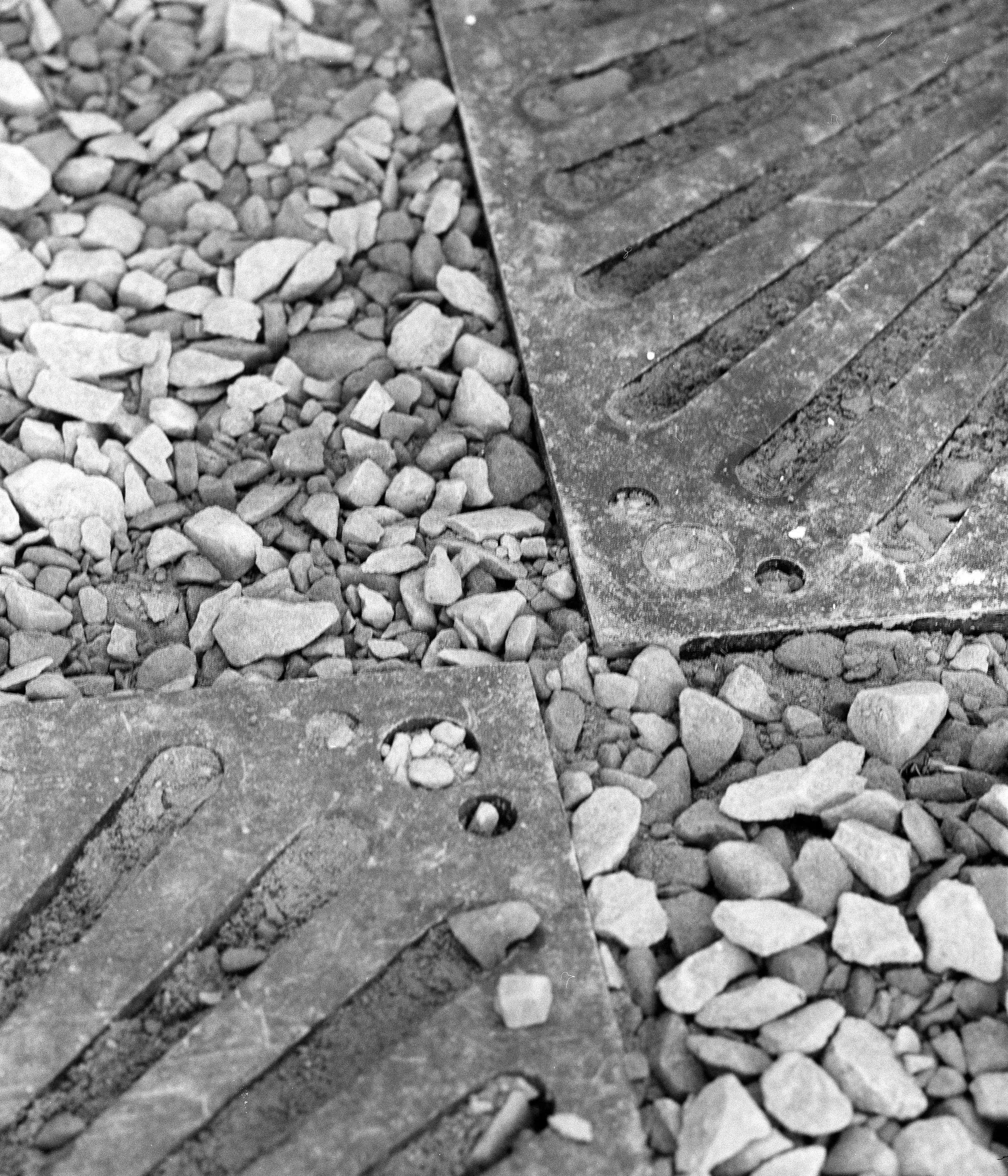
The cast-iron tree grilles reinforce this idea. They are designed to protect trees while also restricting their growth, allowing nature into the city on very specific terms. The bench gives the installation another layer, connecting it to the park that inspired the work and allowing the viewer to sit within the scene rather than simply look at it.
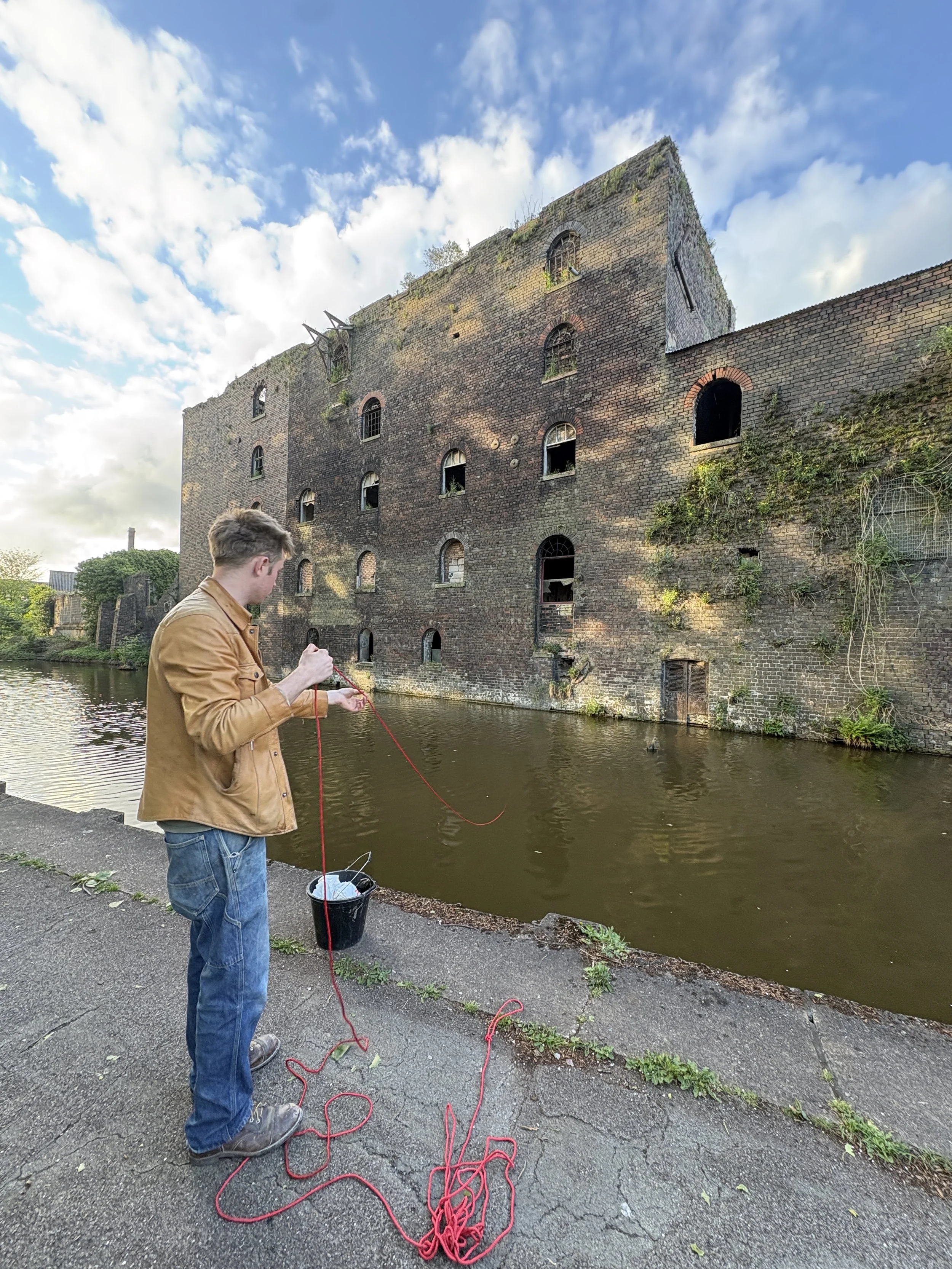
The glaze on the trees is made using iron oxide and rust collected from corroded metal along the Glasgow canal. I ground and washed the material into the clay, allowing the chemistry of the place to become part of the work. This is important to my practice: materials are not just chosen for how they look, but for what they carry with them. The rust physically connects the work to the environment it came from.
The pigeons, rubble, trees and grilles all belong to the same constructed landscape. Together they create a place that feels familiar but hollow, a space that looks like it is functioning, while underneath it, everything has become static.
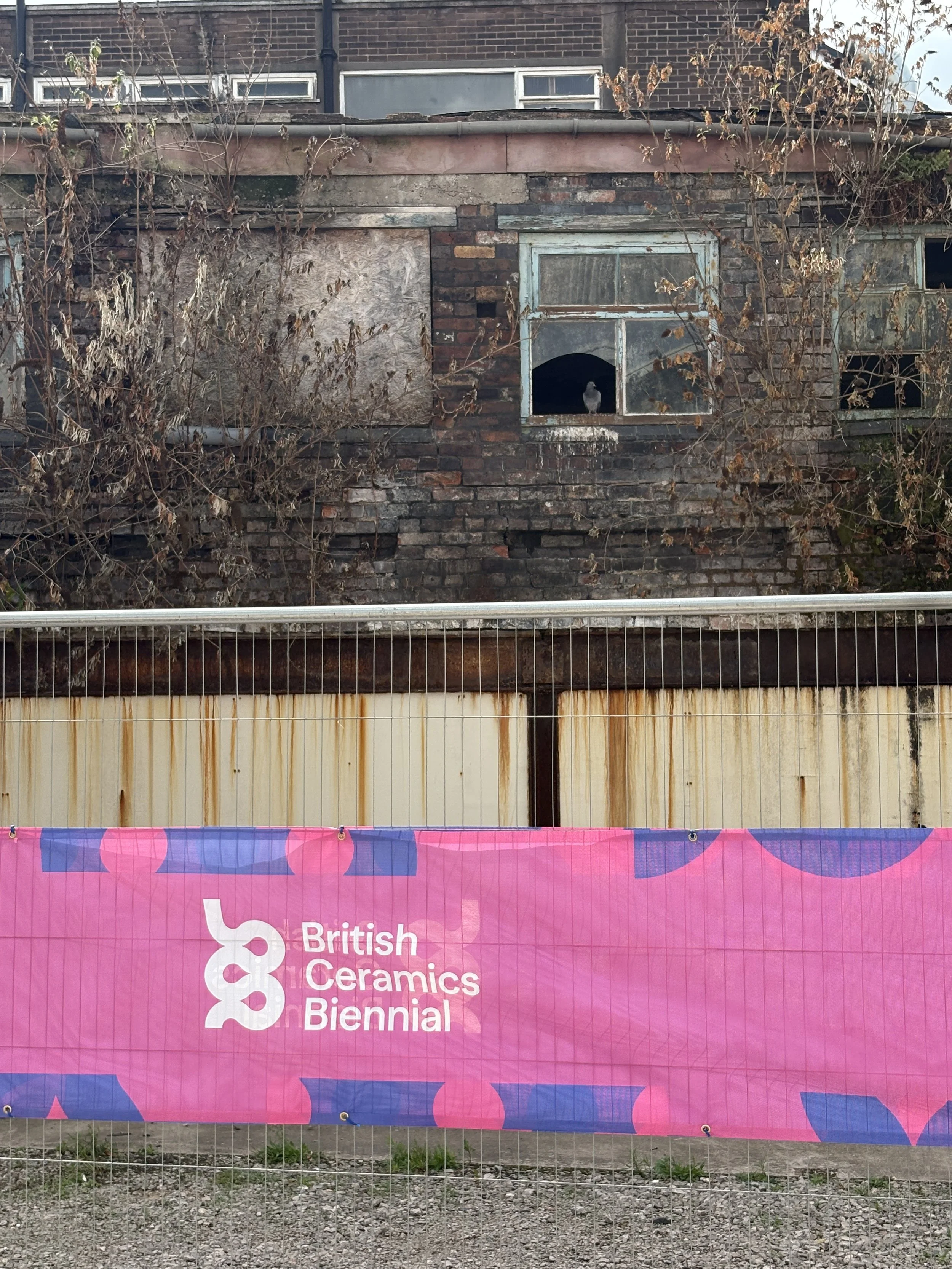
In 2025 this work was selected for the British Ceramics Biennial, where it received the Fresh Talent Award, including a £2,500 prize and a one-month residency.
I’m really proud of this work and of how much it developed through the exhibition. Showing it again in different spaces has allowed me to rethink the installation and see new things within it each time. It’s been especially rewarding to see how the work changes depending on its surroundings, and to have the opportunity to keep developing the ideas behind it.