Ironstone Mine Vessels
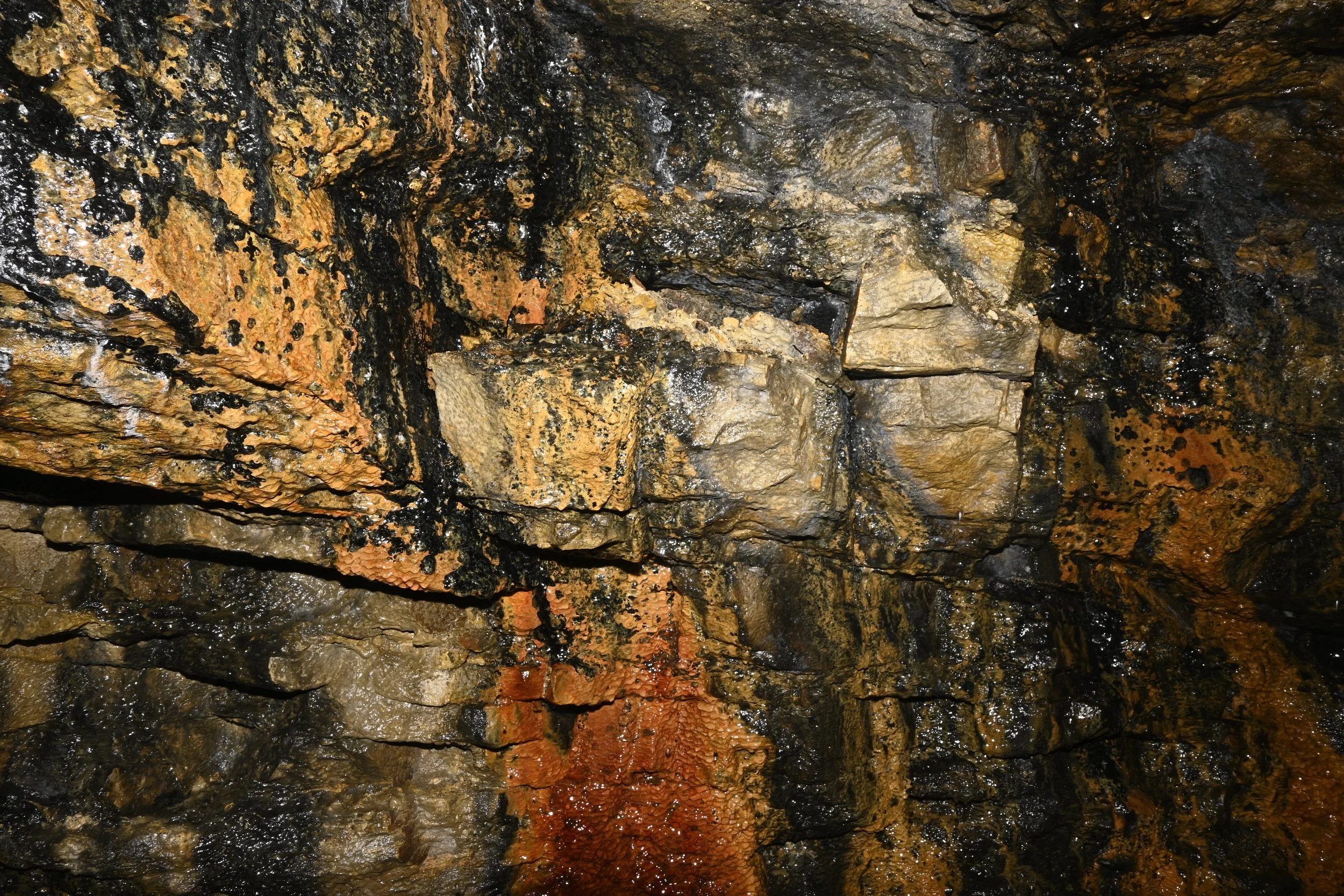
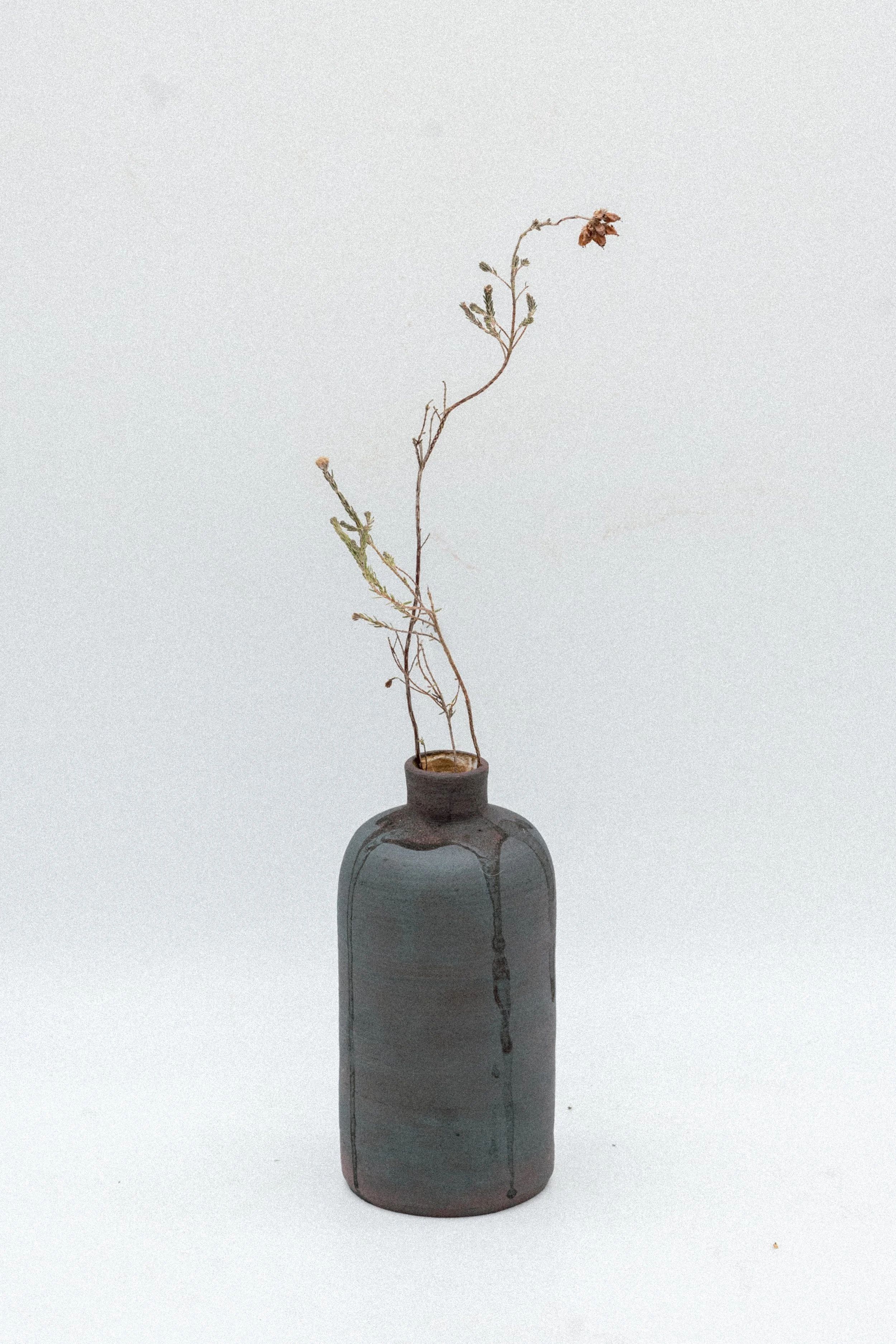
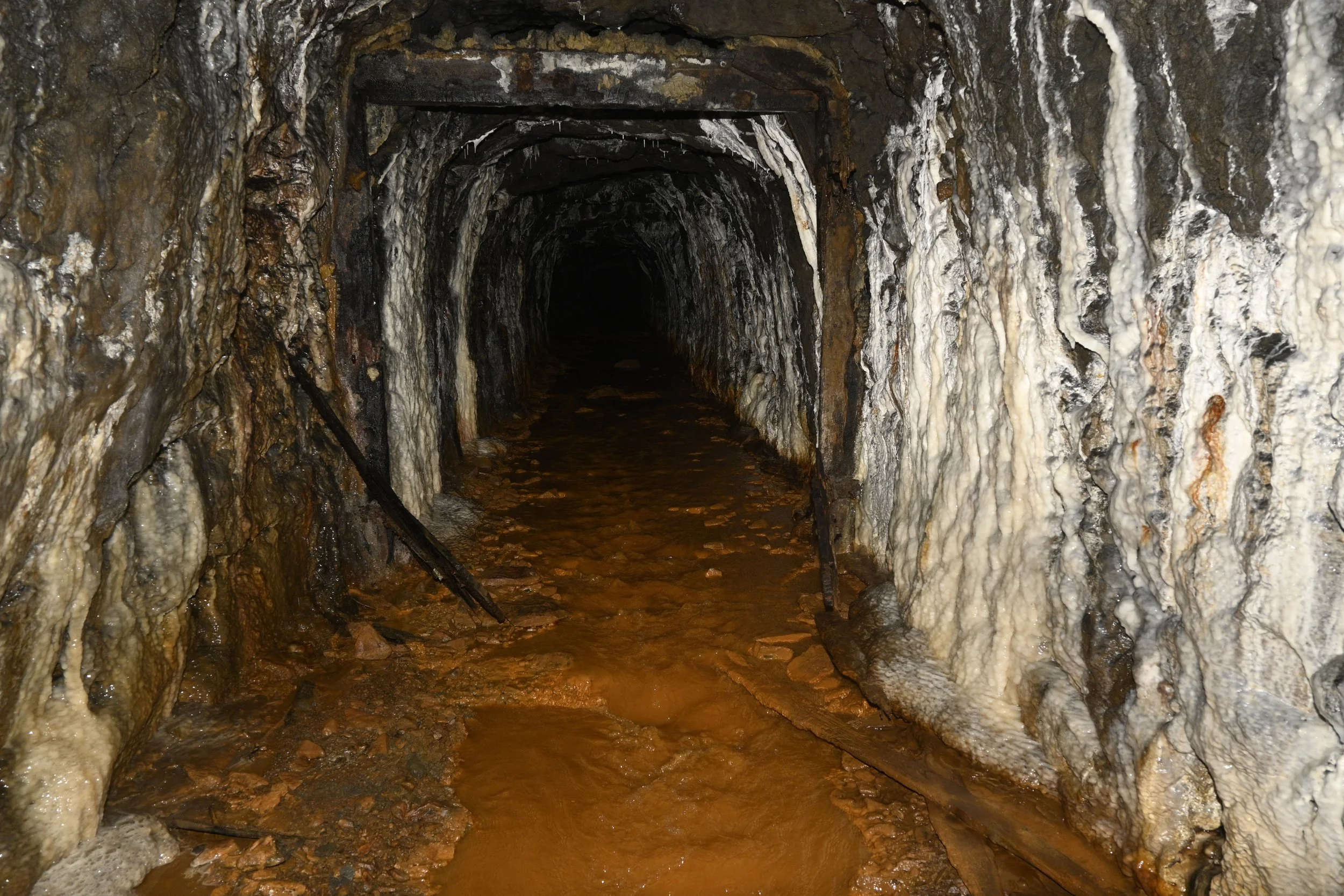
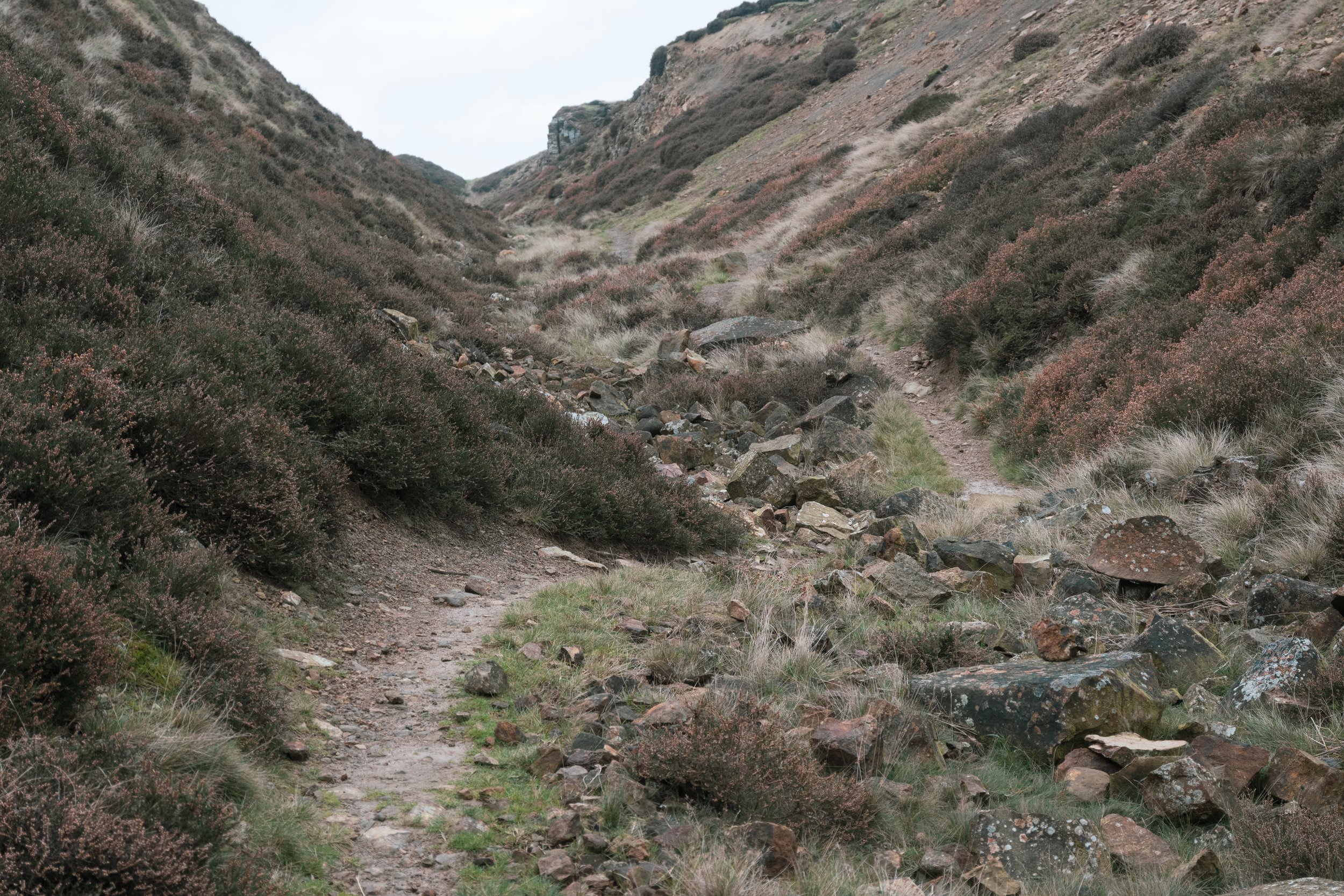
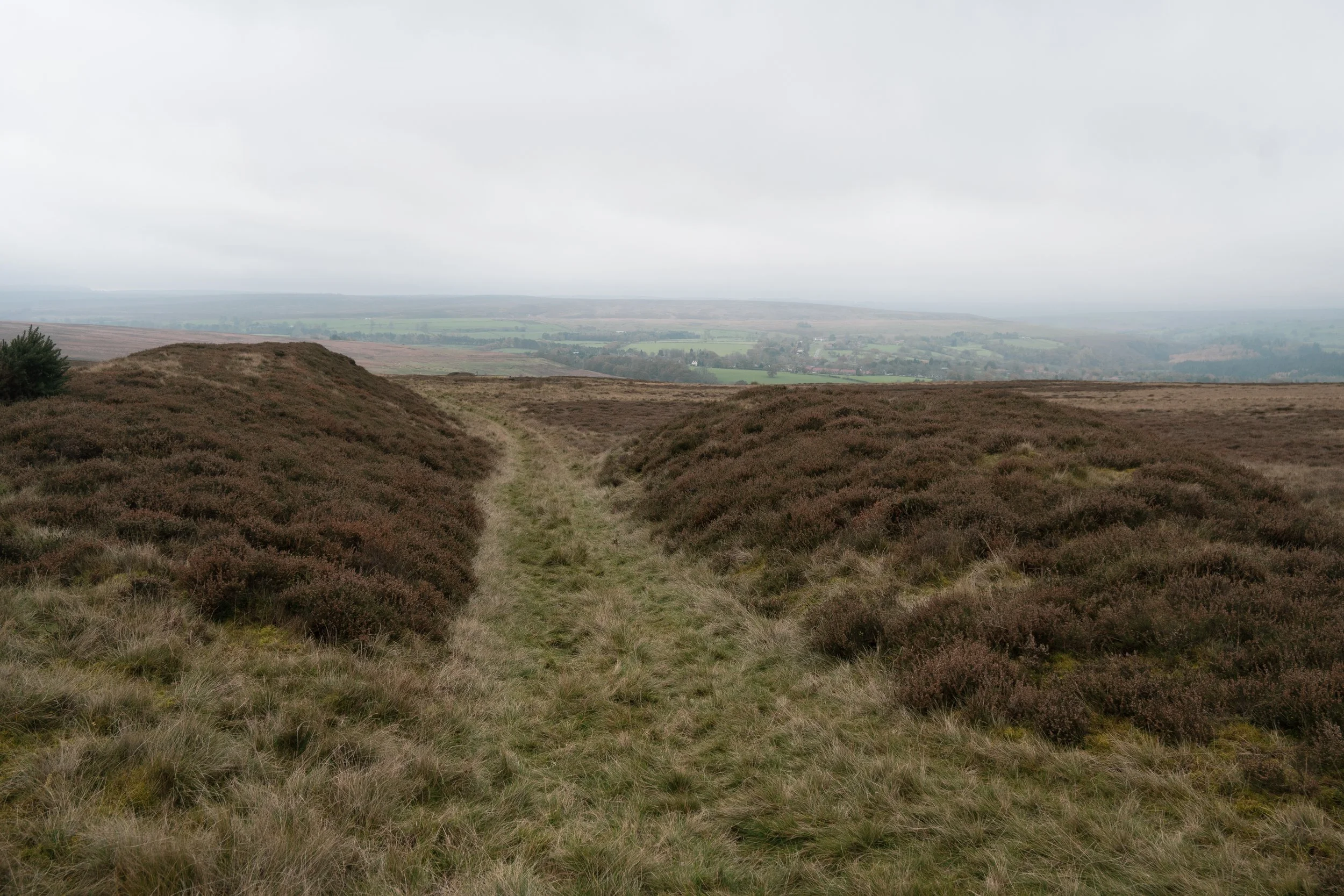
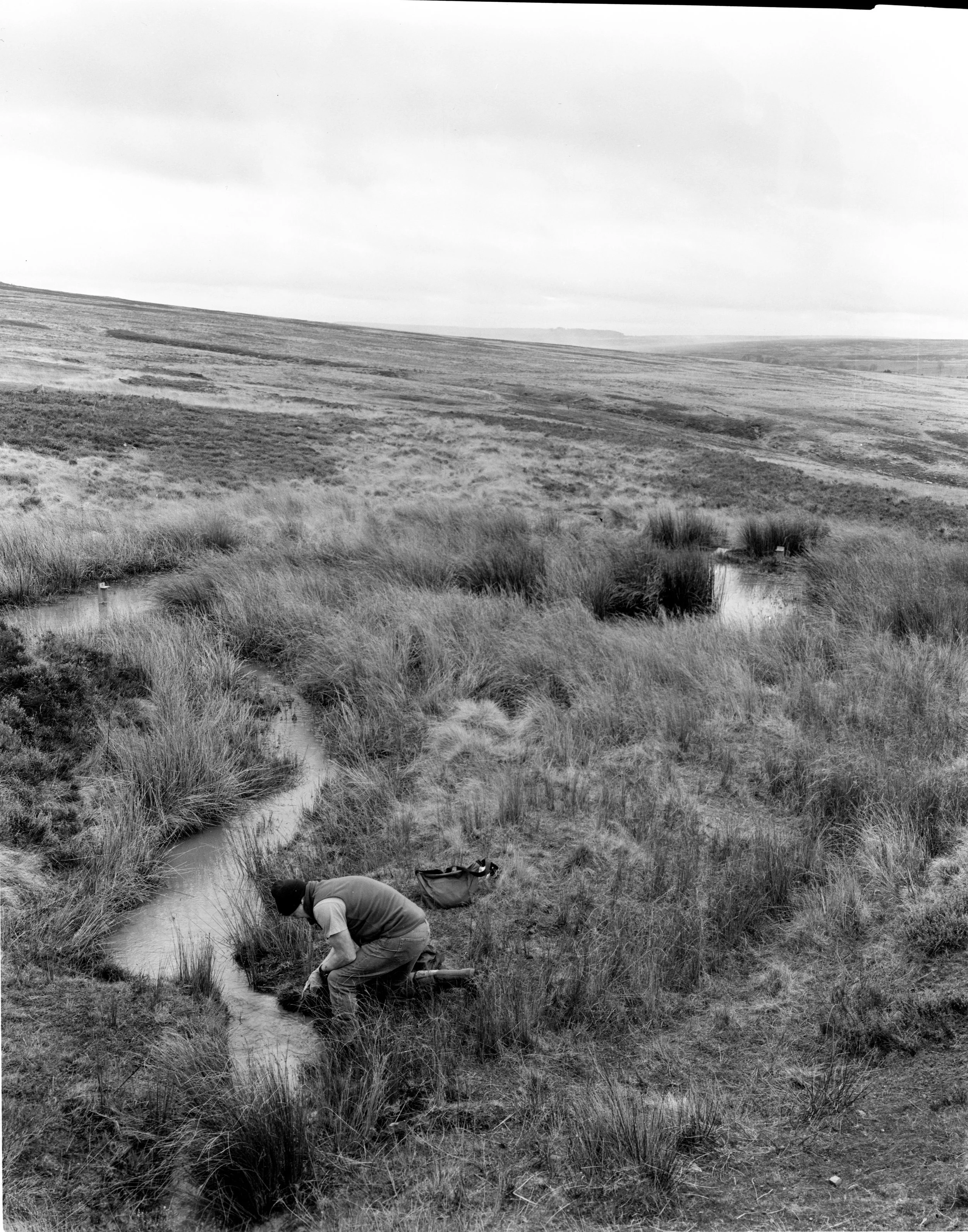
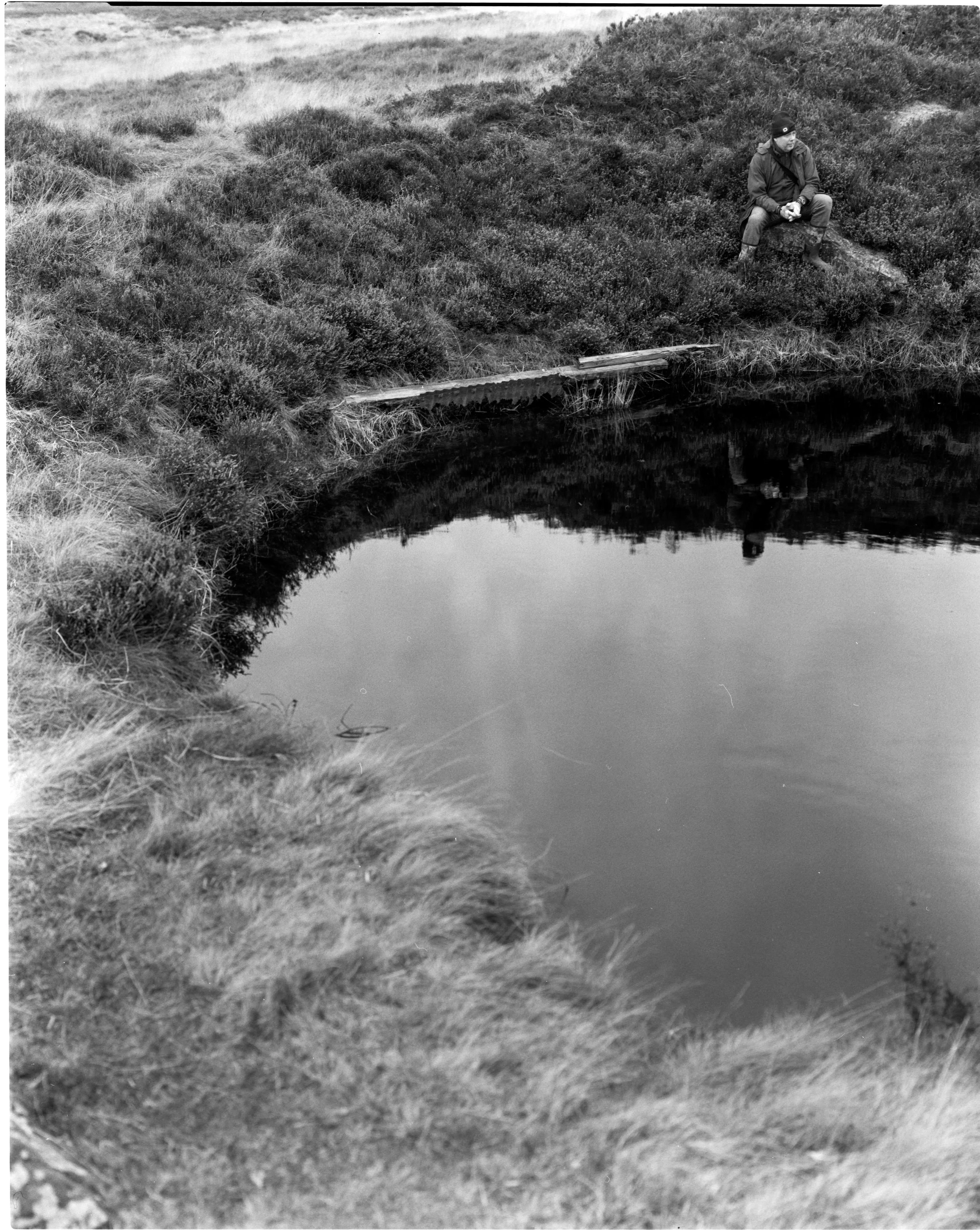
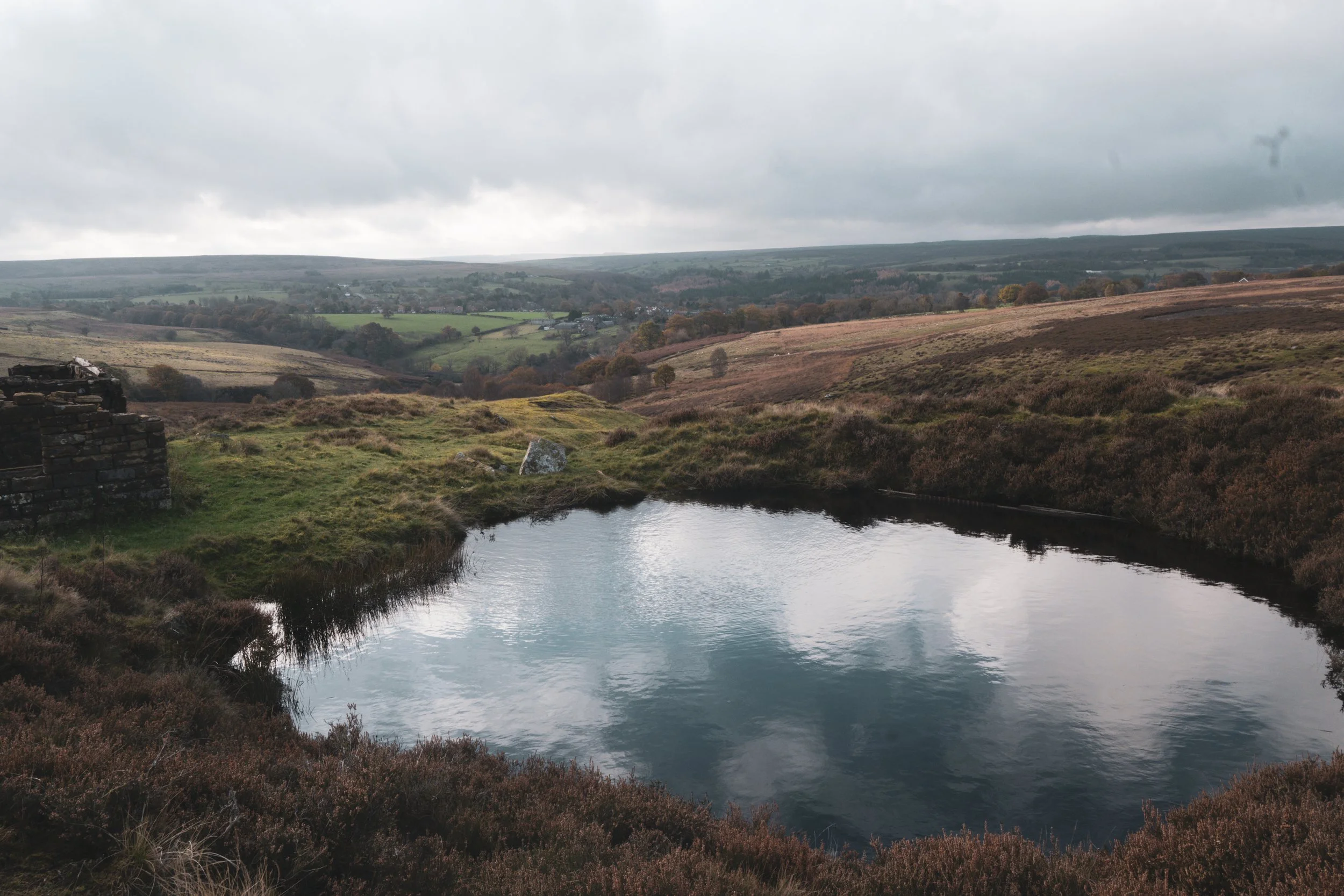
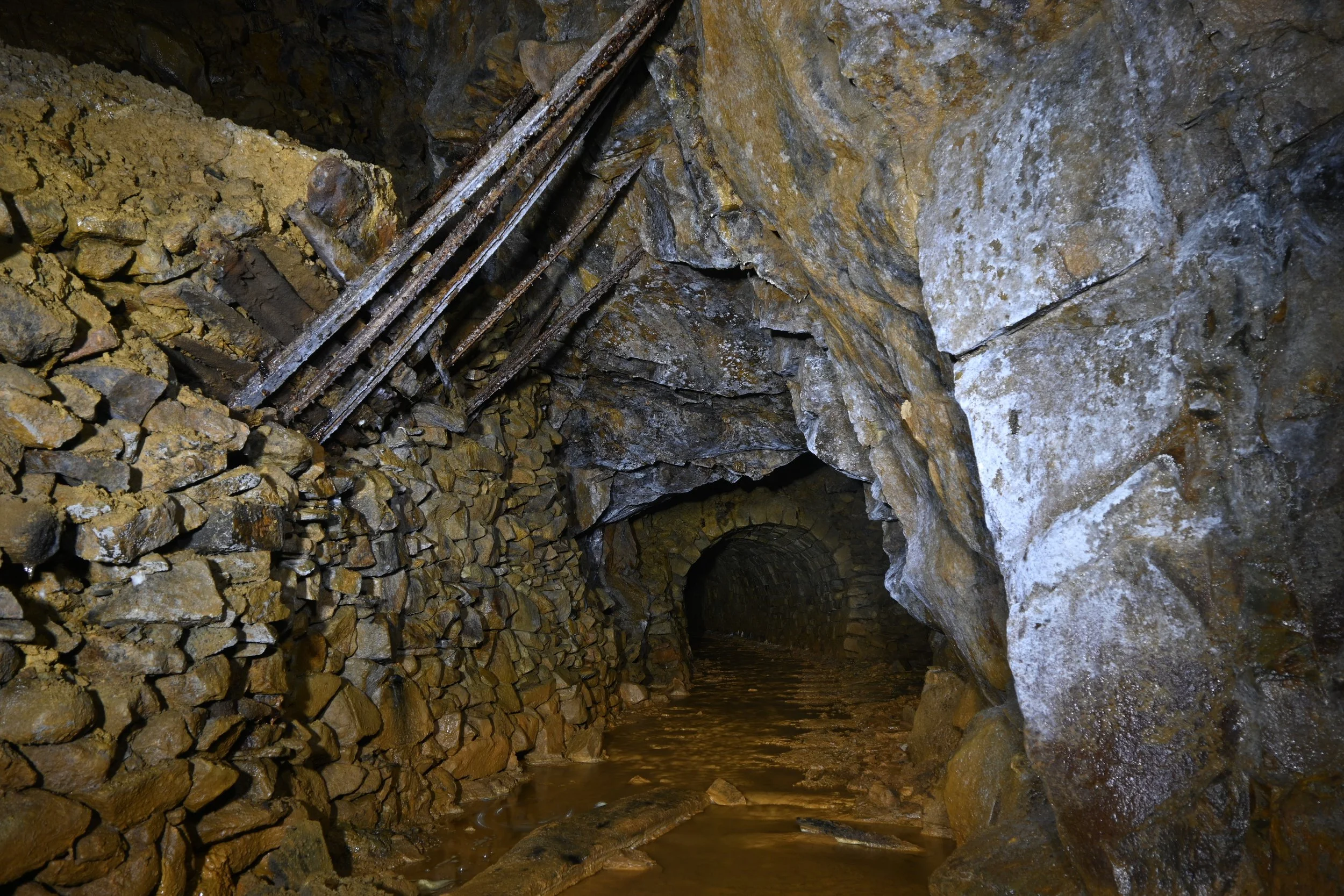
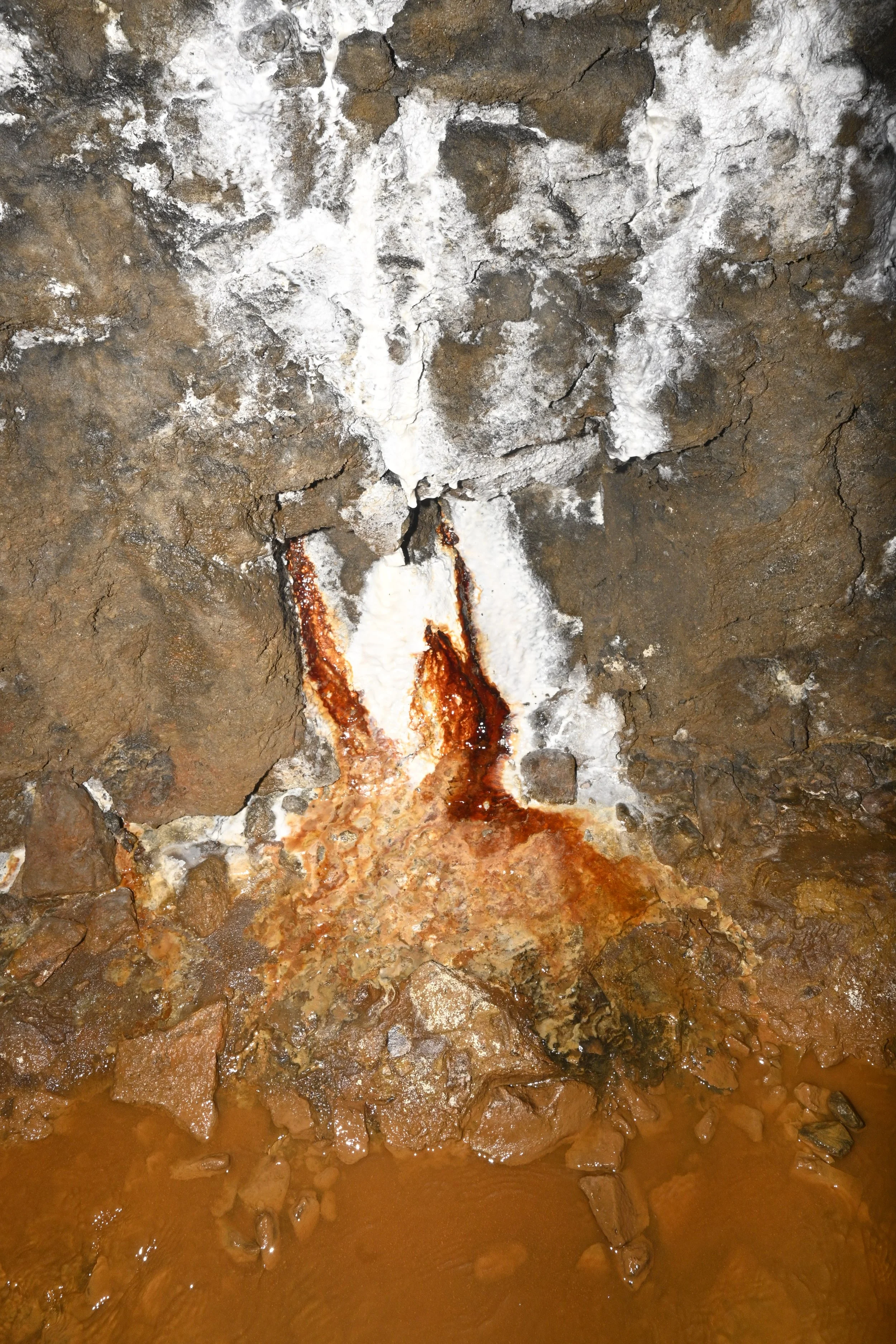
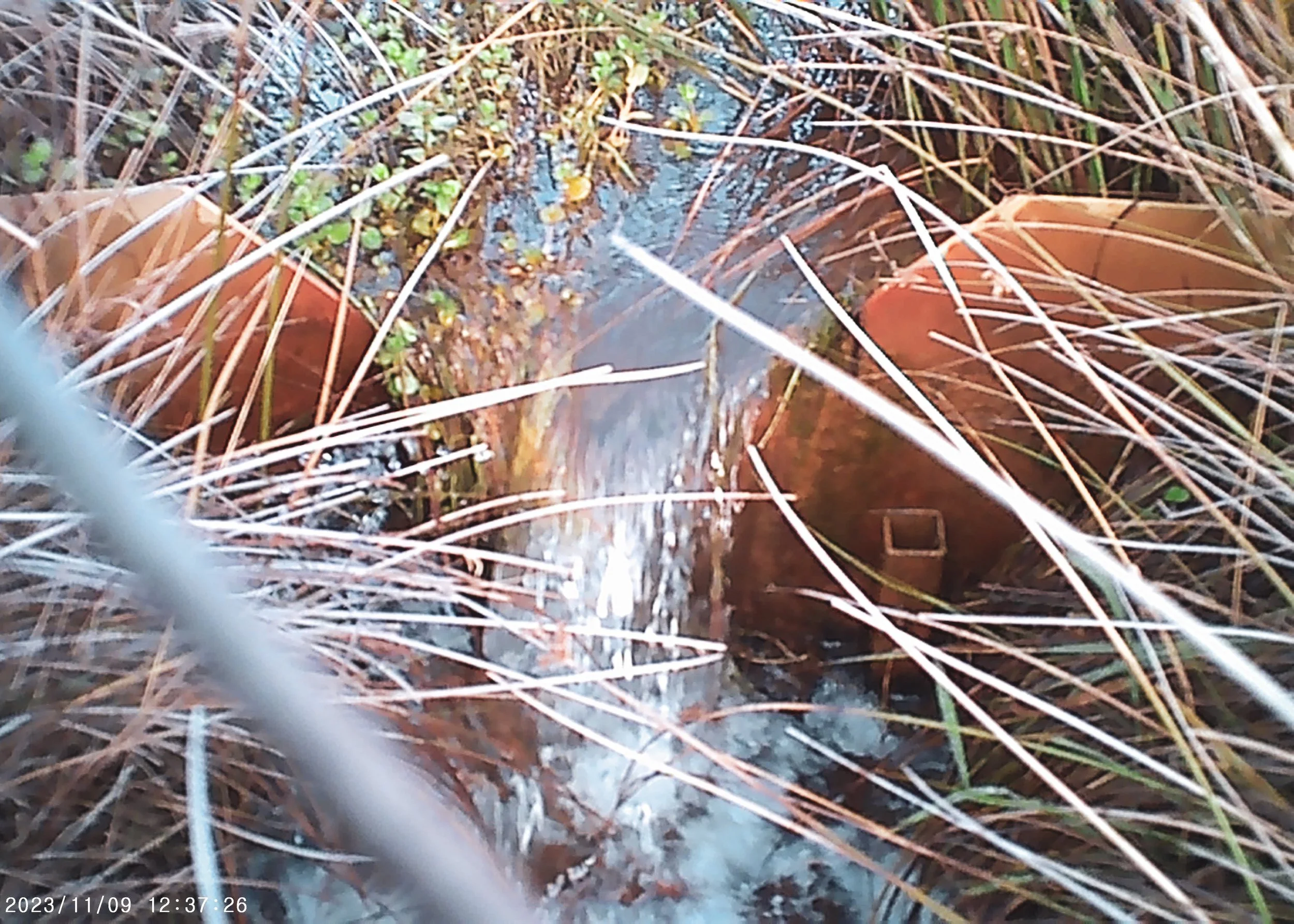
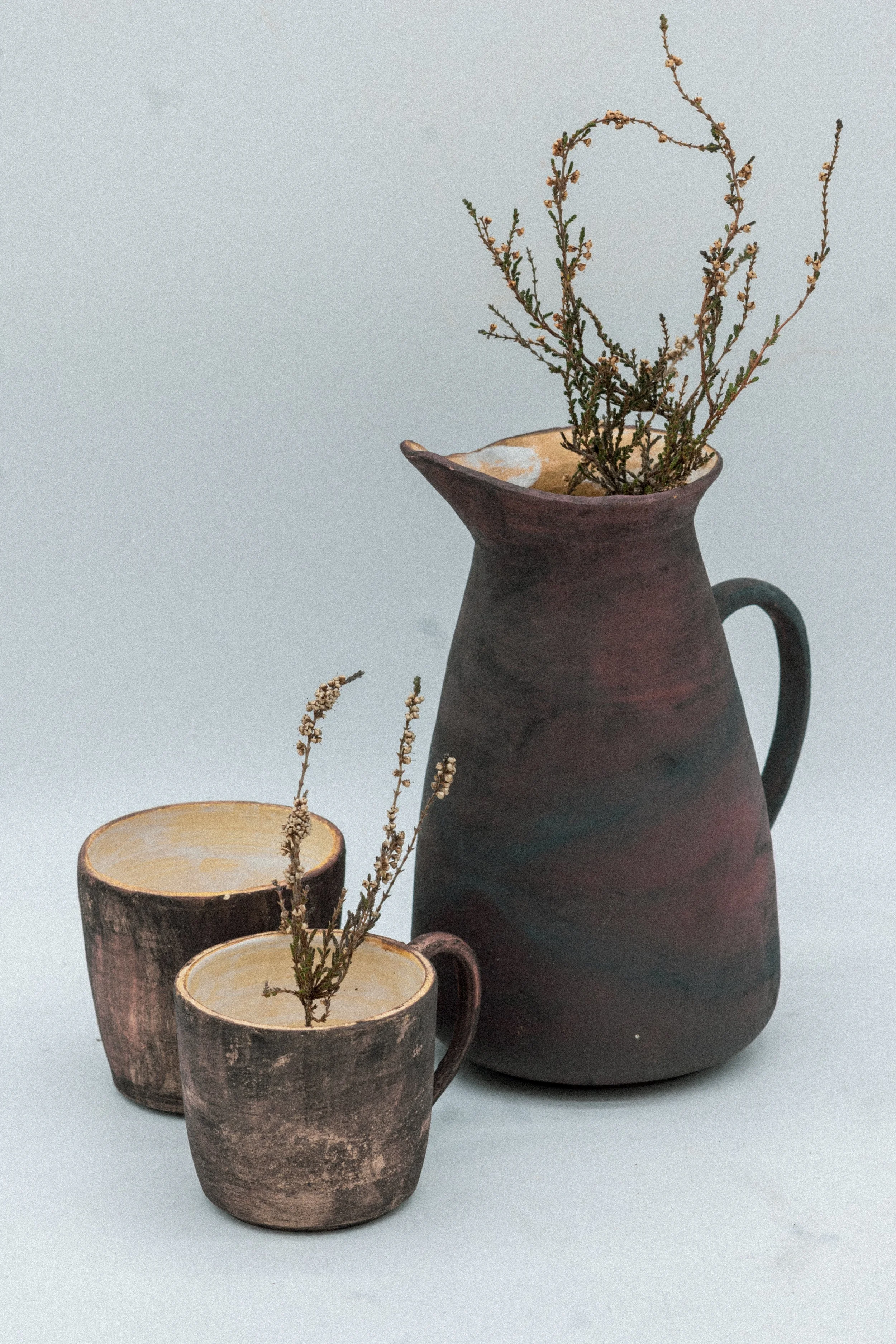
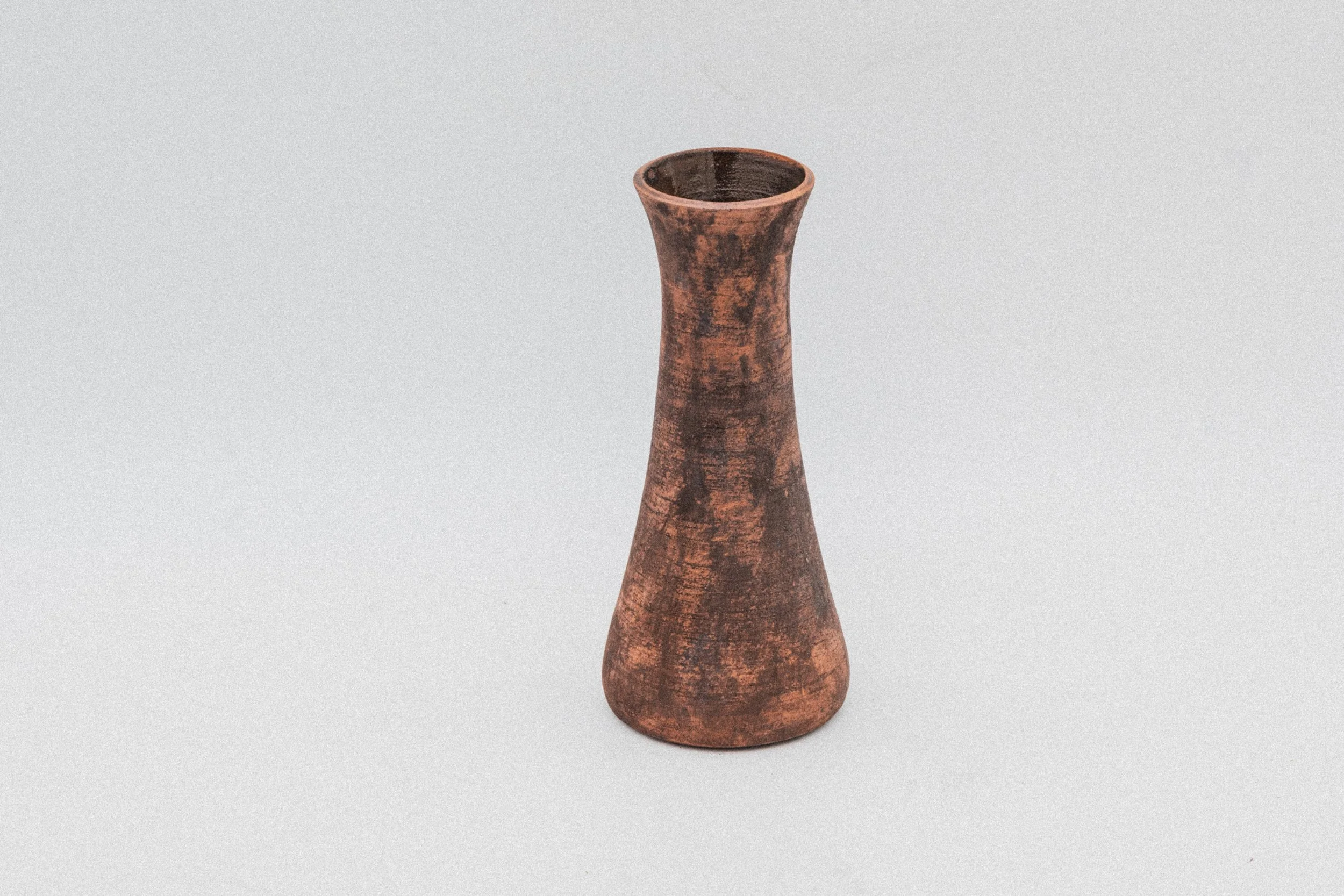
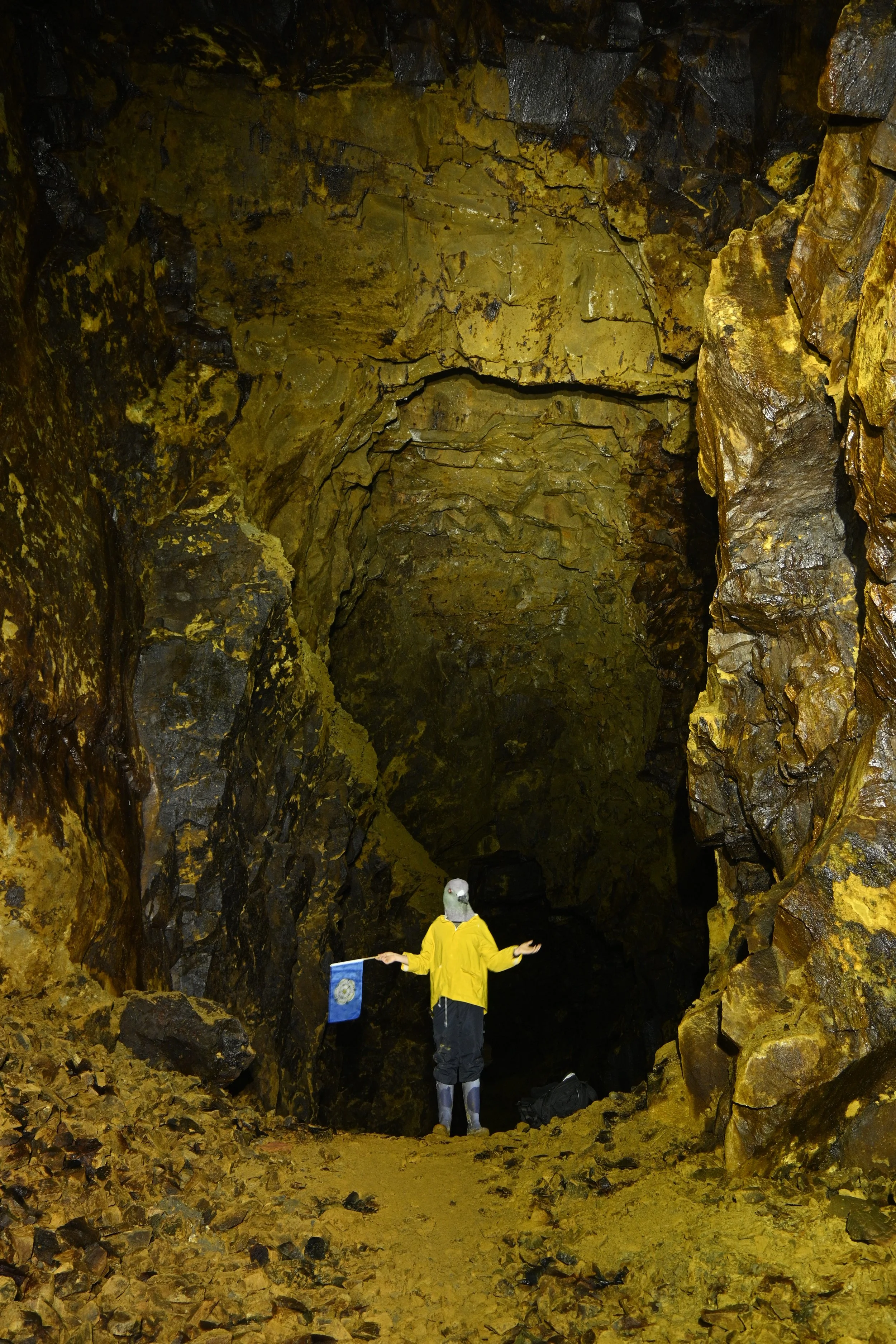
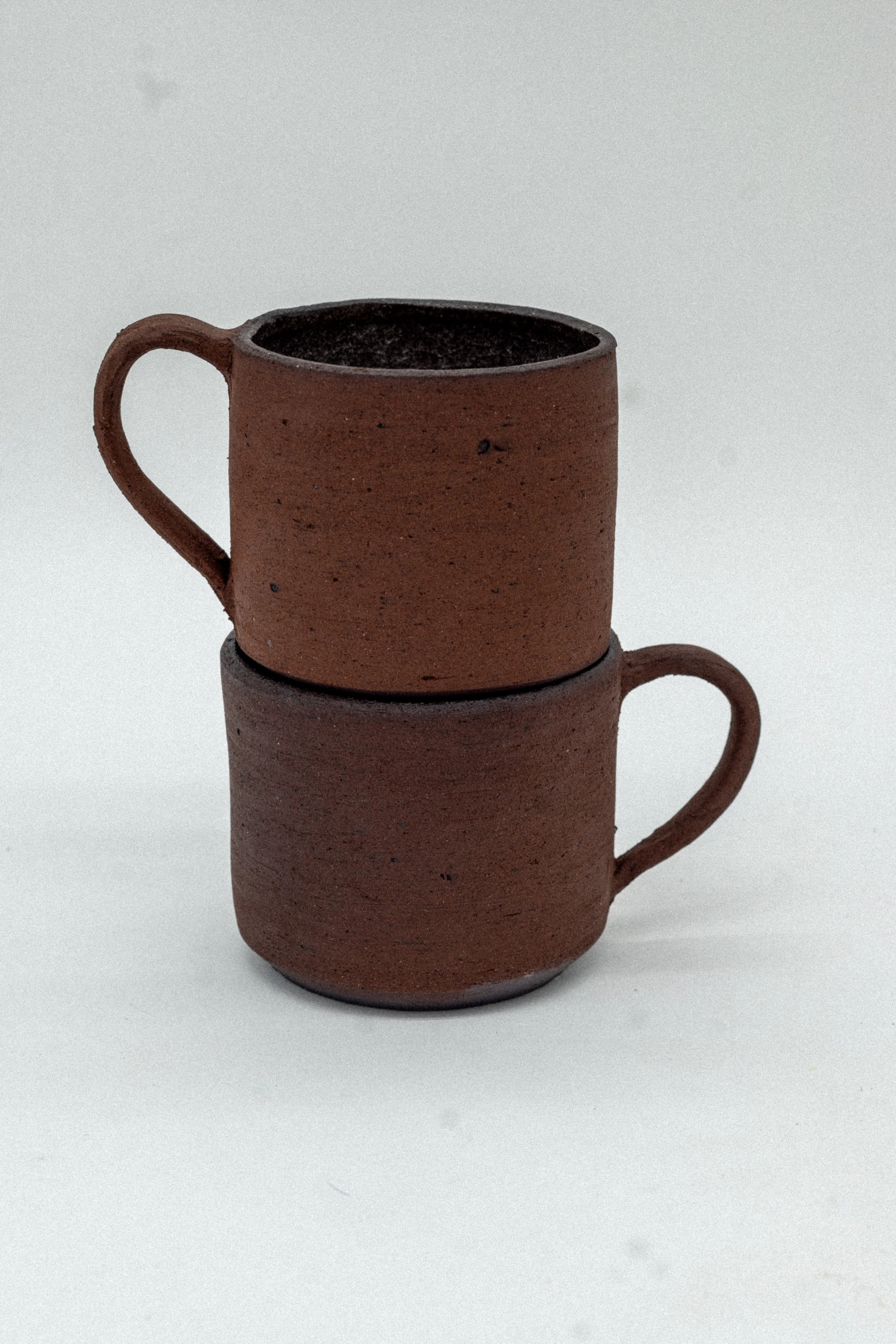
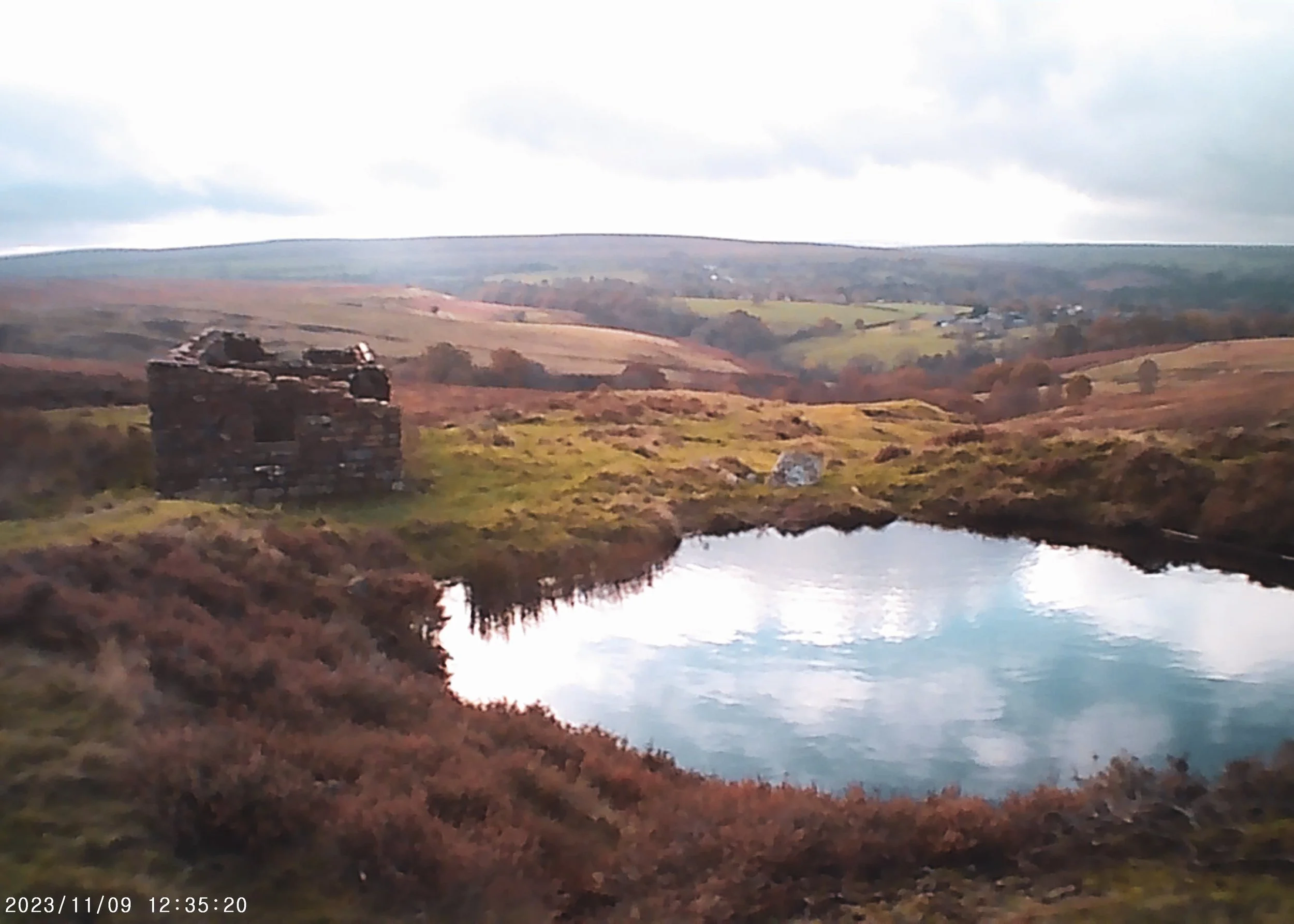
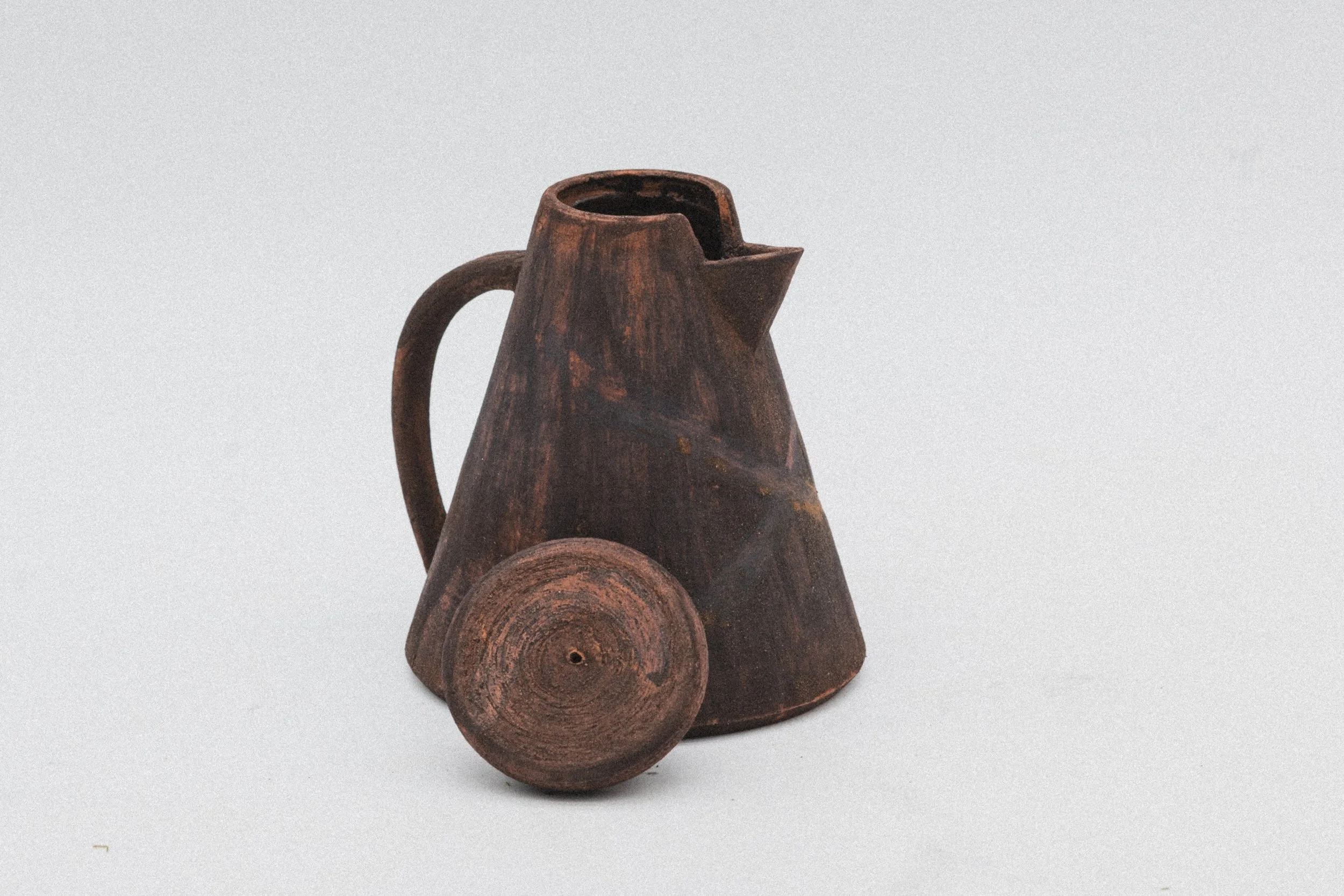
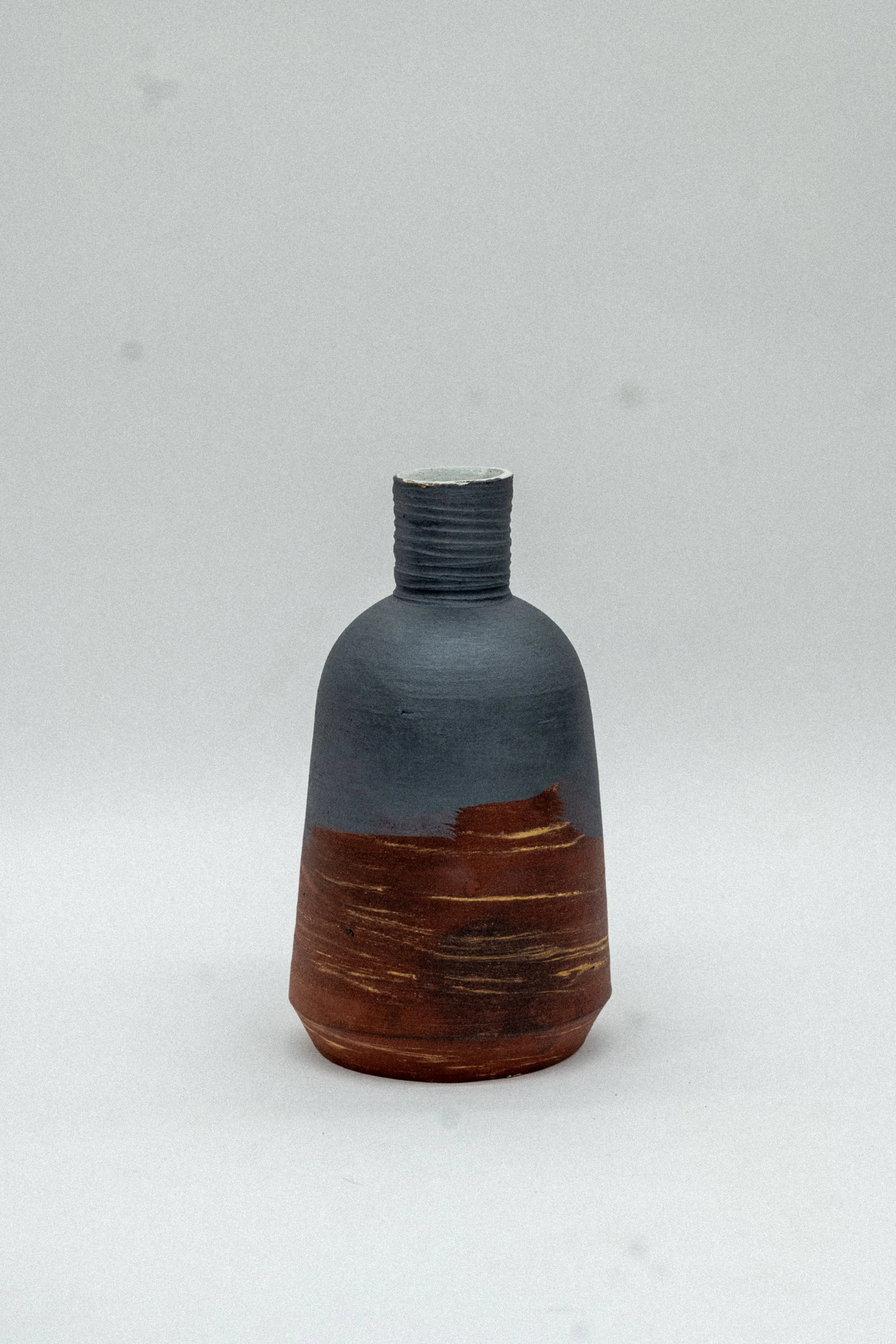
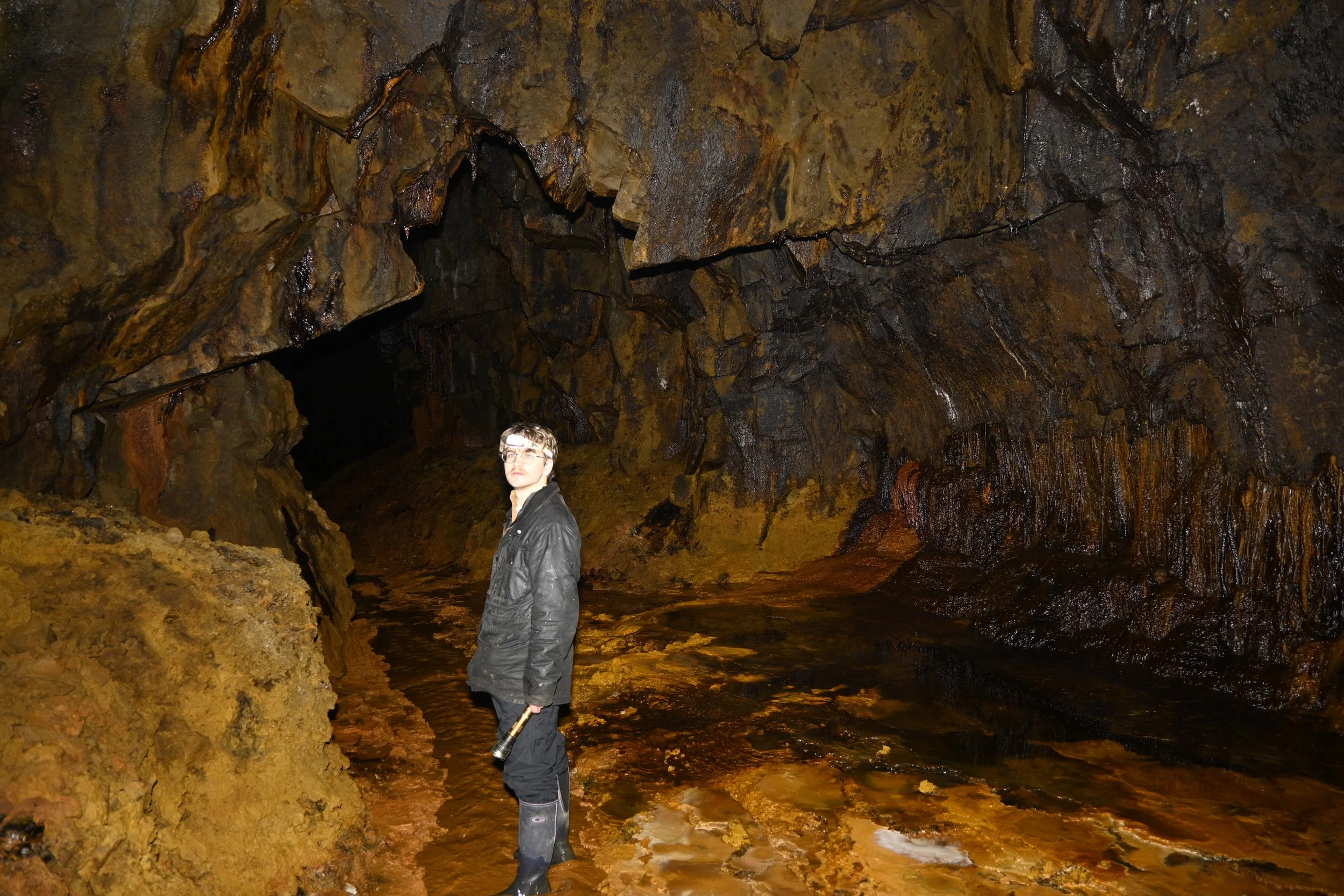
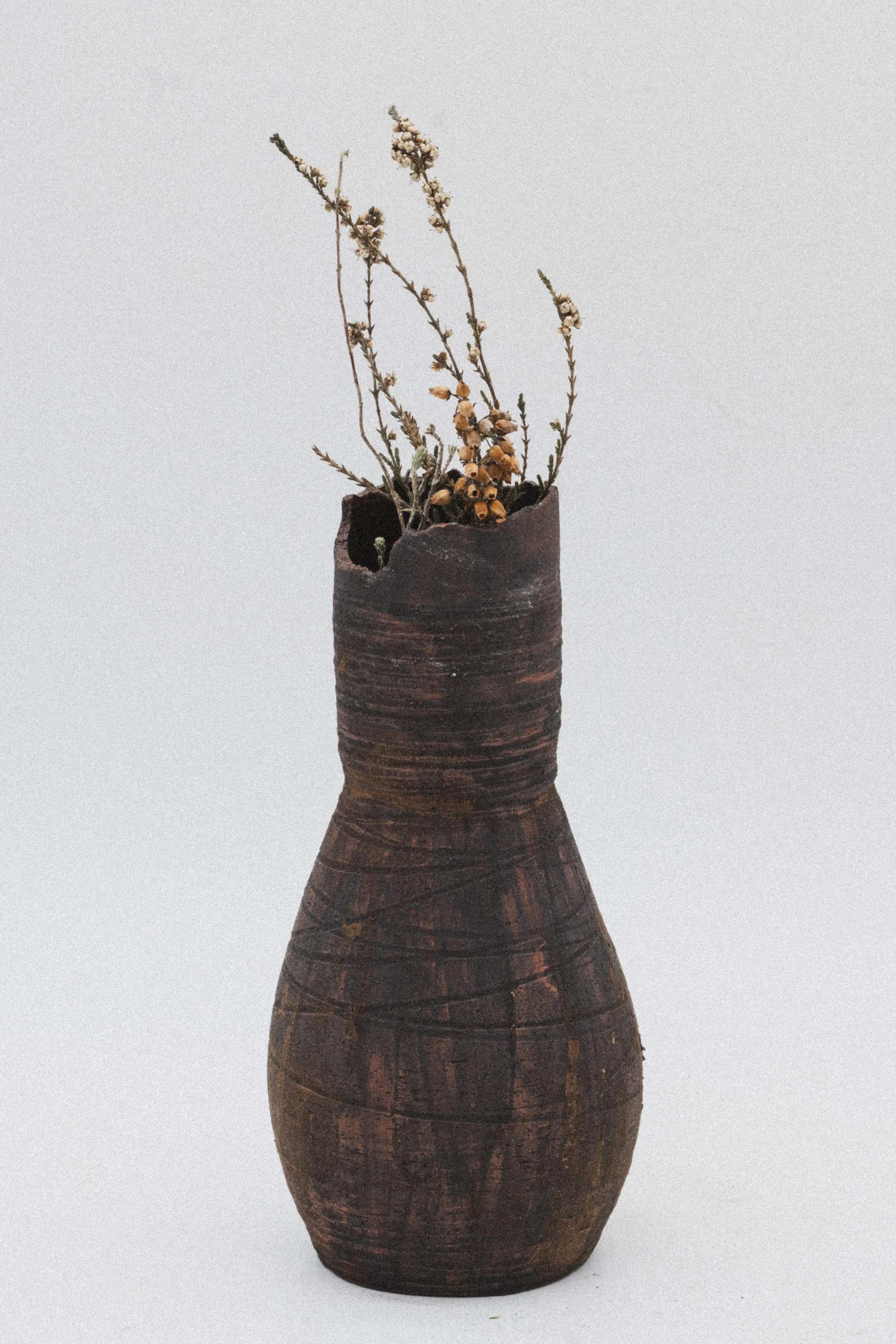
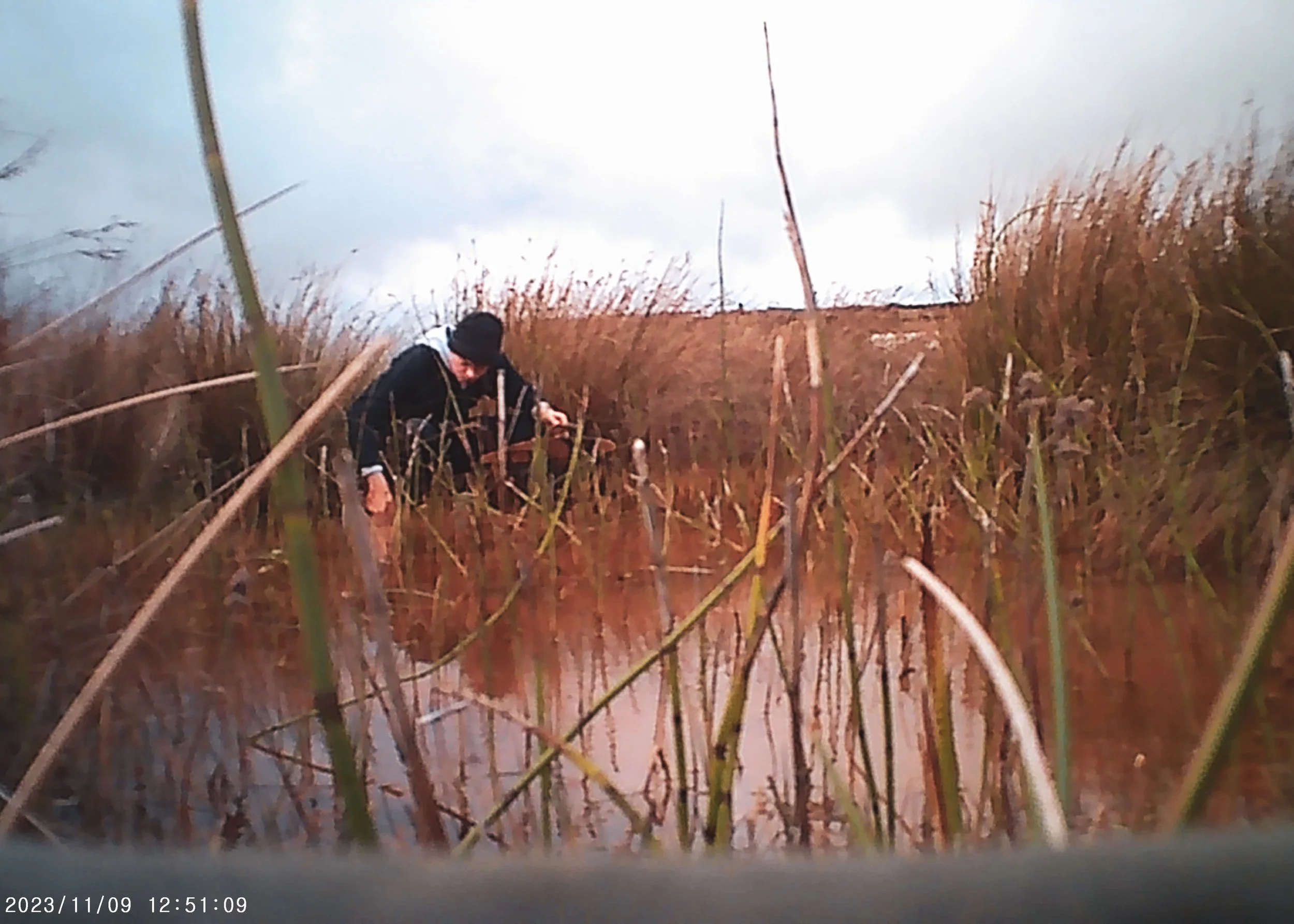
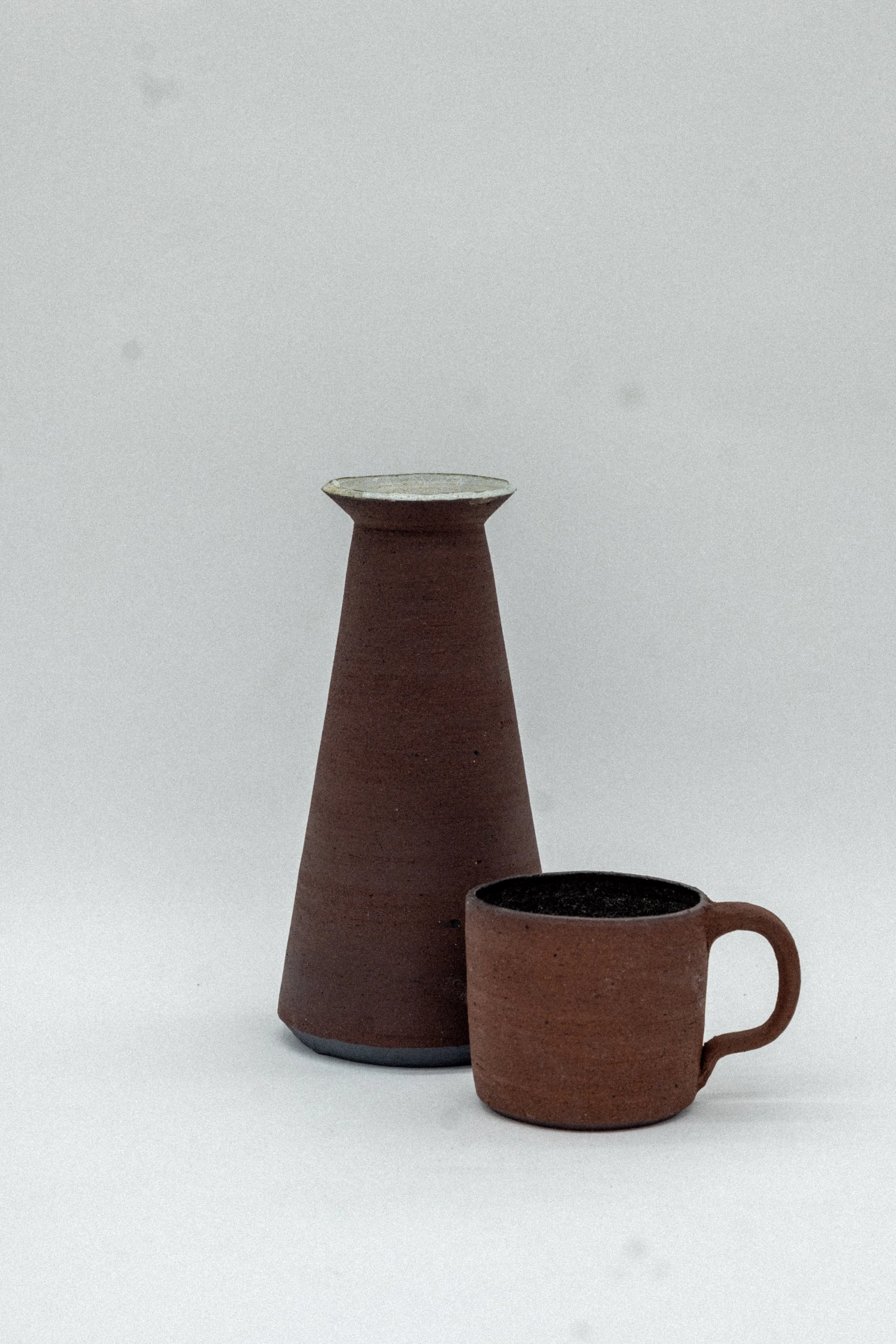
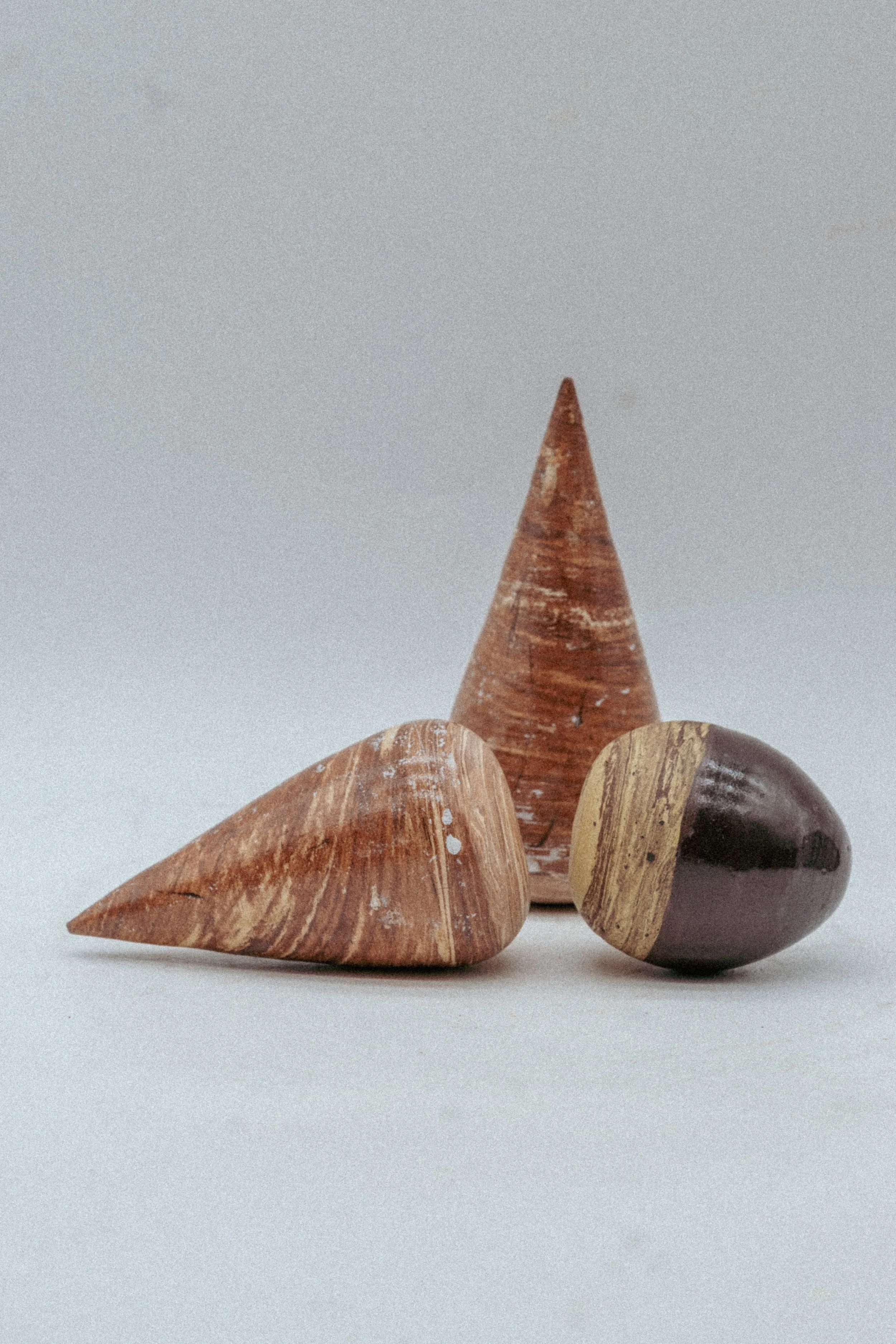
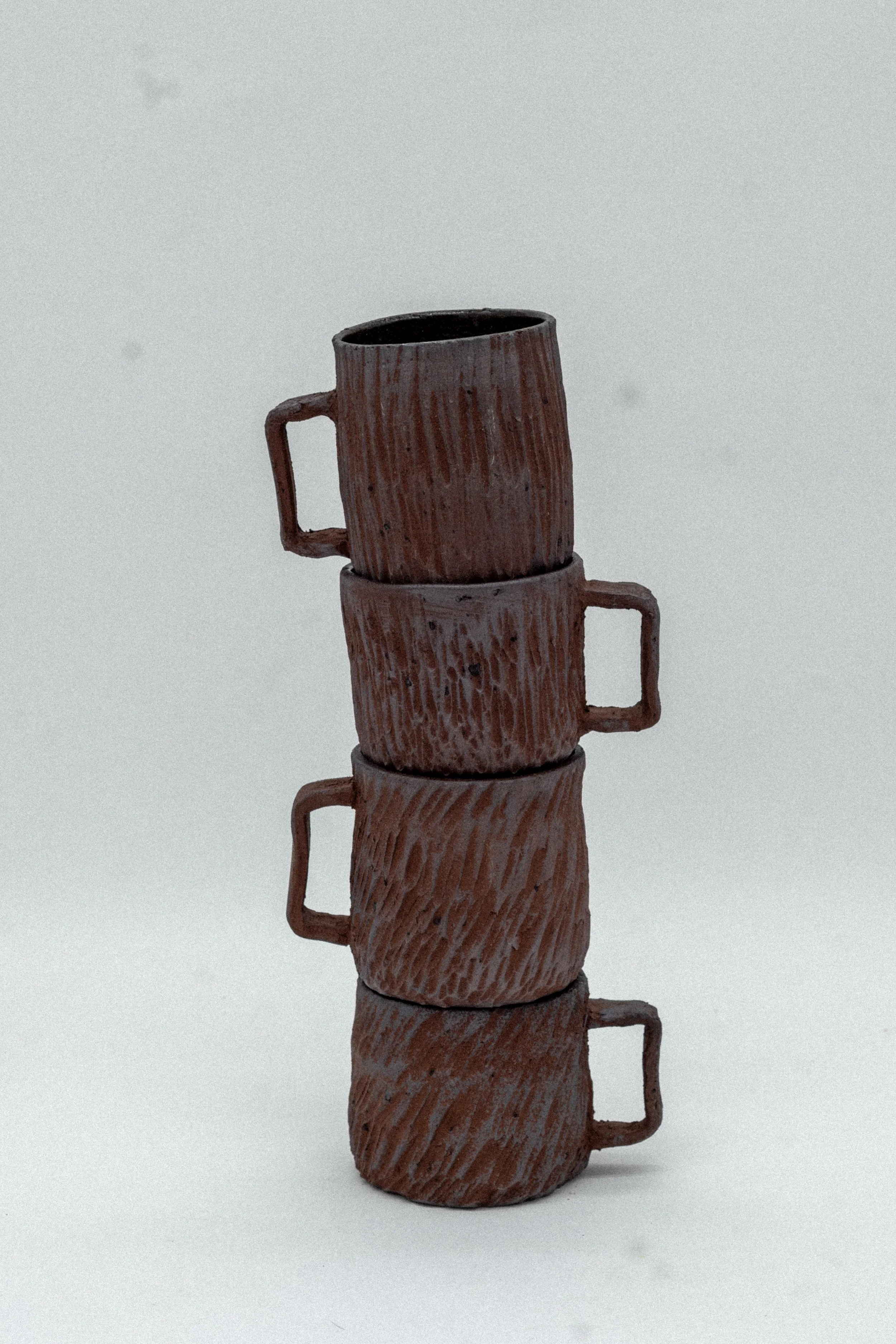
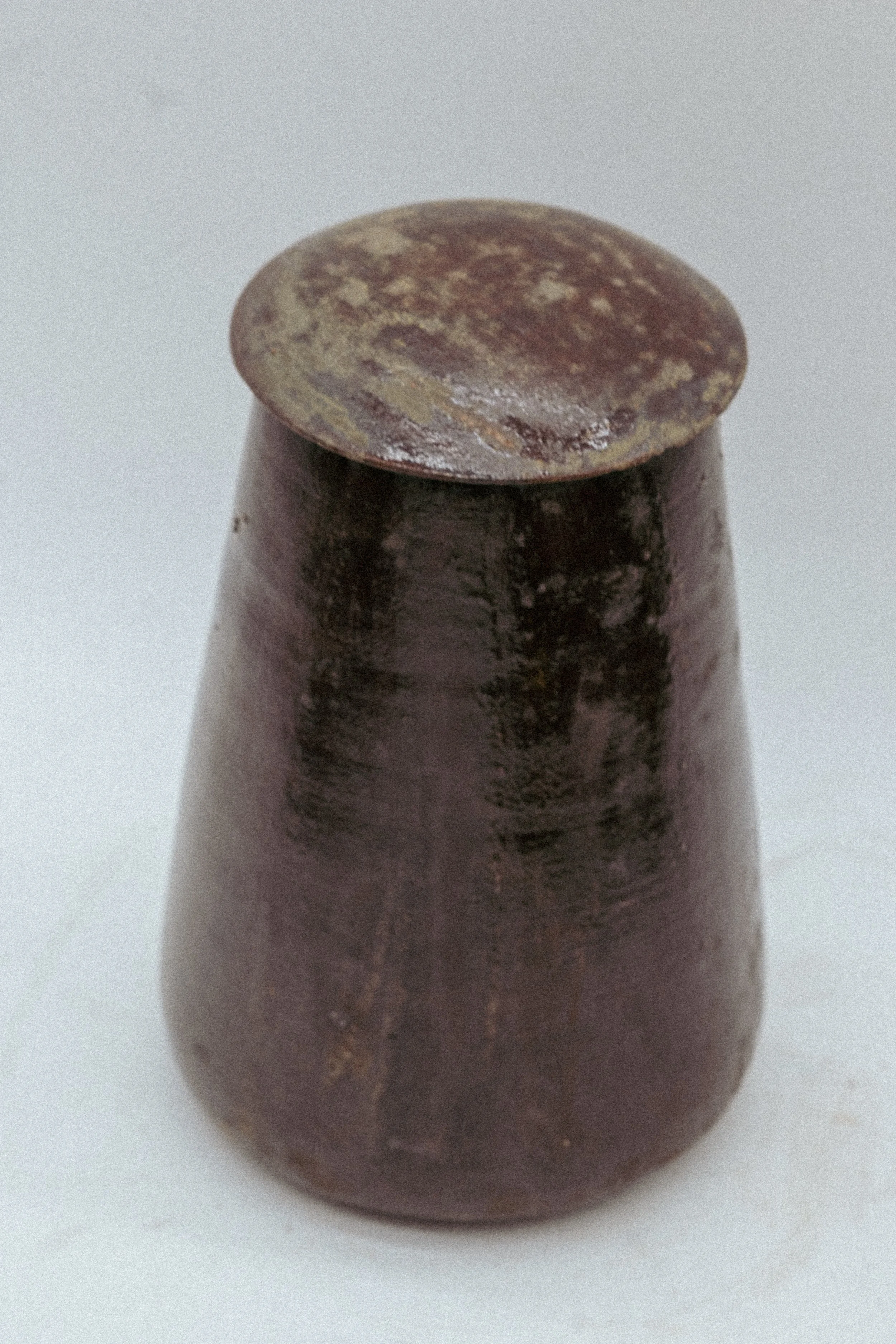
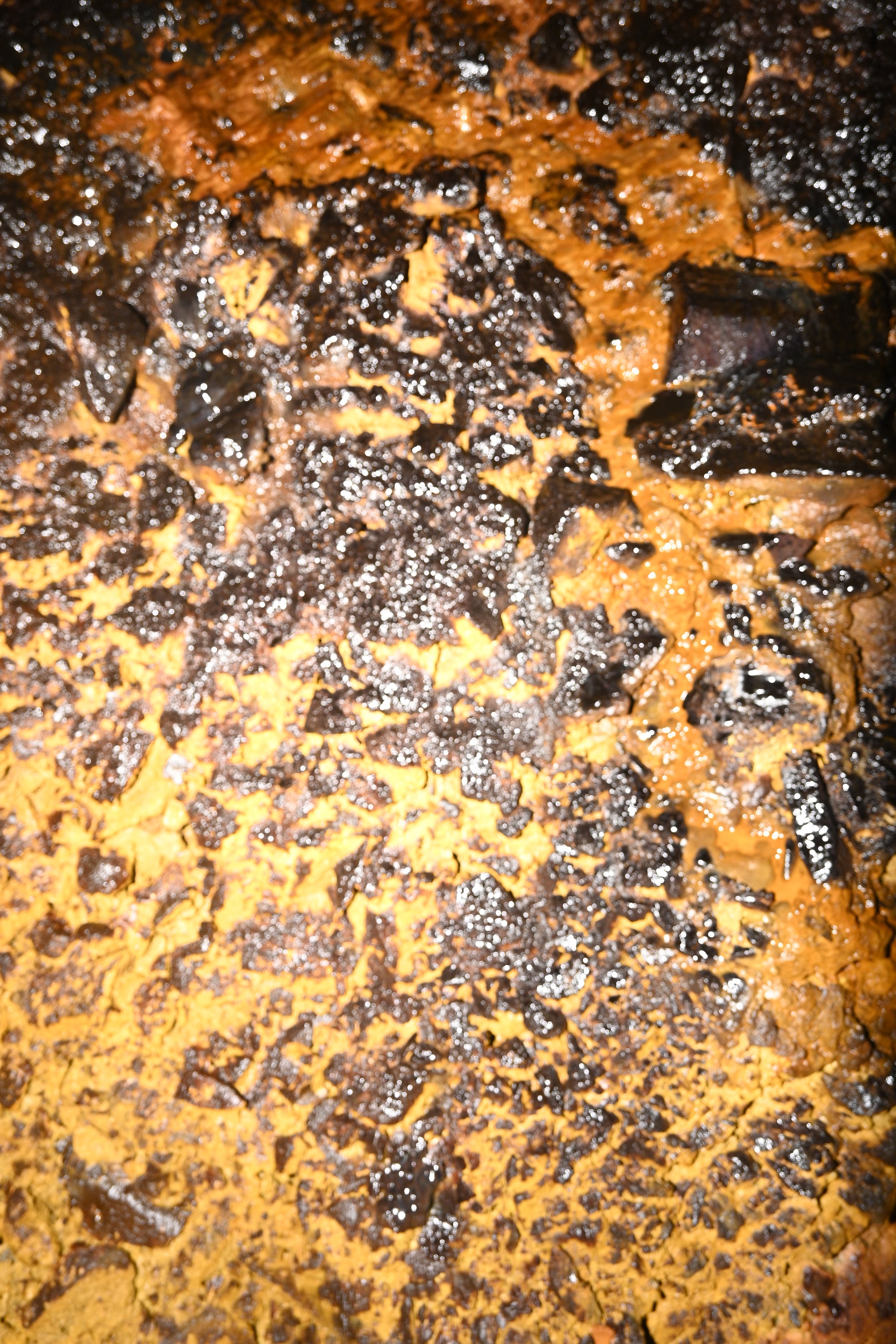
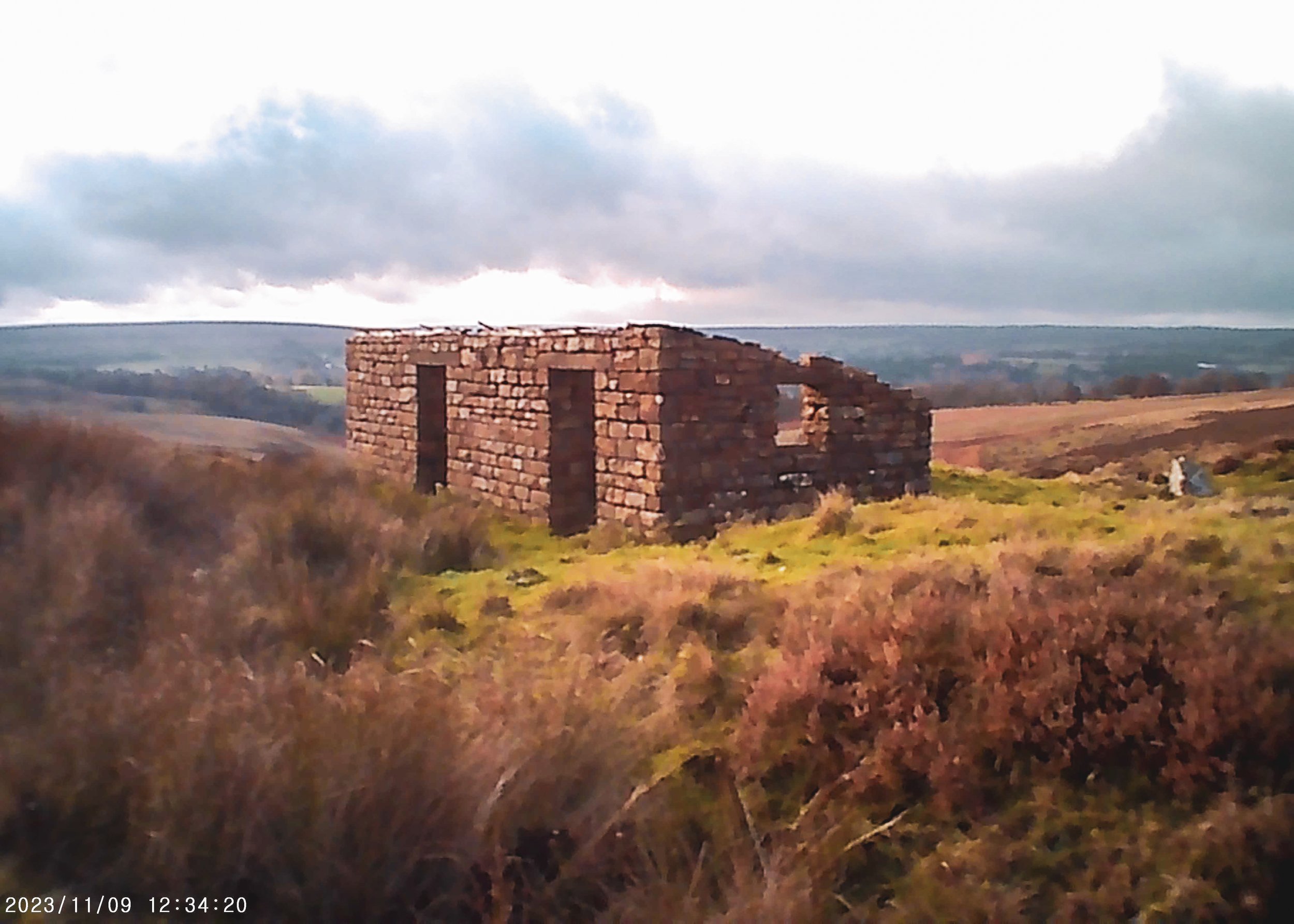
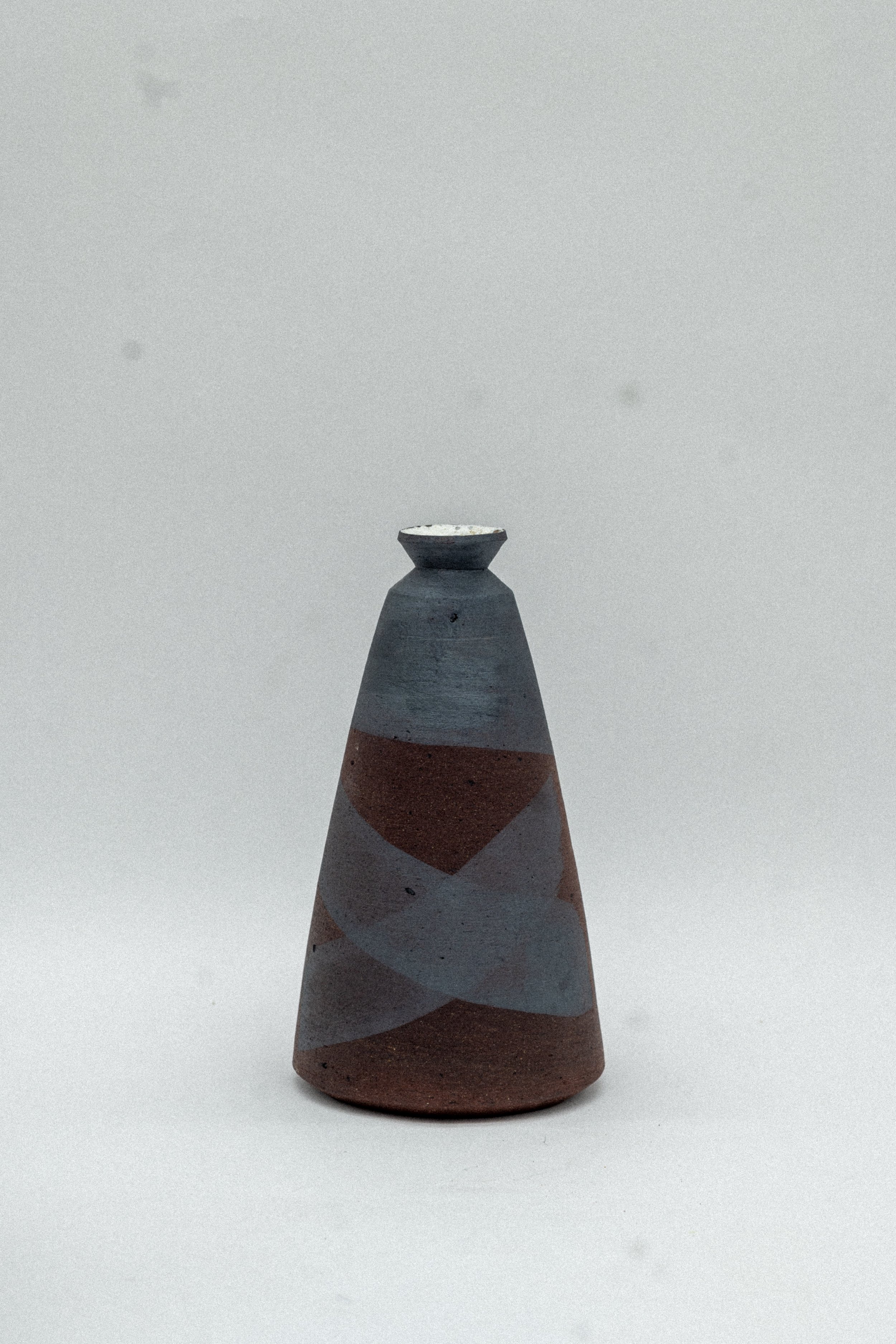
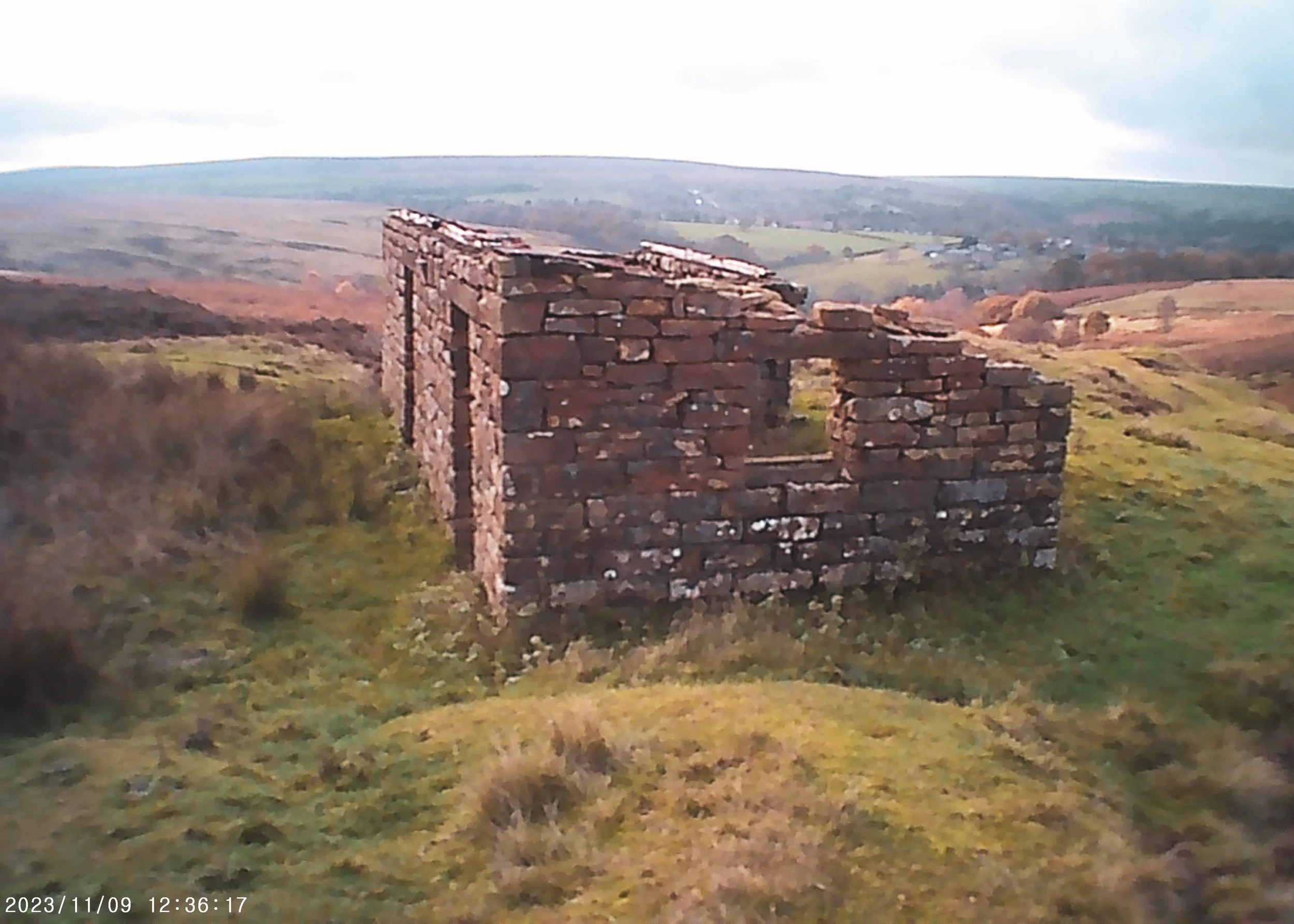
Thrown from clay dug from an abandoned ironstone mine on the North Yorkshire Moors (below), these vessels are shaped by the land that made them. Using raw materials found on site, I let the natural textures and colours rise to the surface, echoing the rusted remnants and silence of the landscape.
In reworking the material, I am interested in how these artworks can hold onto fragments, and be in conversation with their own history as quiet markers of time and transformation. The vessels become containers of place, holding within them the memory of a site shaped by extraction, abandonment and slow regrowth.
My interest in pottery begins with process. I enjoy the physicality of throwing and the quiet, repetitive discipline of working with clay. There is something about working directly with a material that makes me slow down and pay attention. I’m interested in the marks that are left behind through making, and in how much a material can tell you about where it has come from.
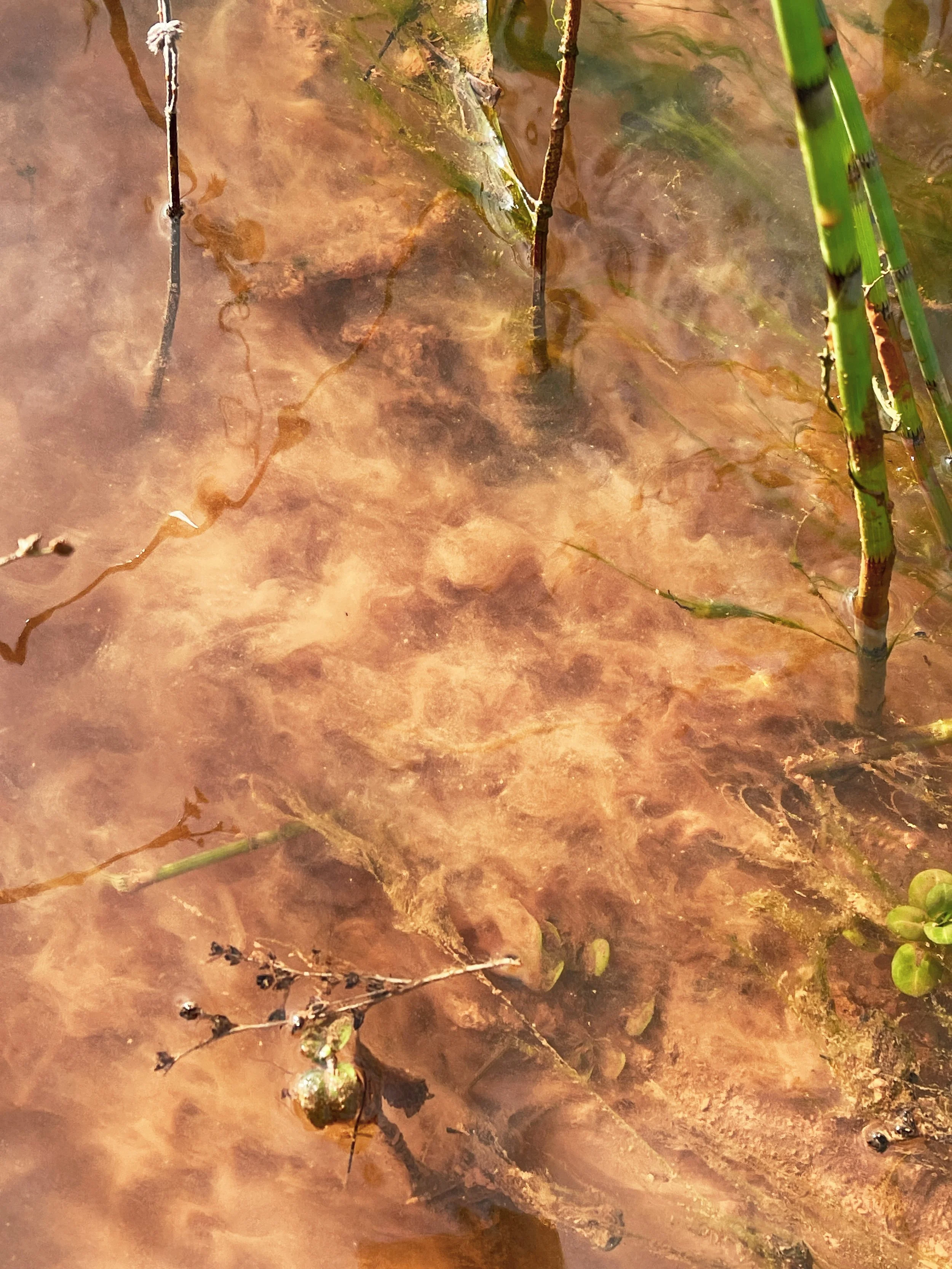
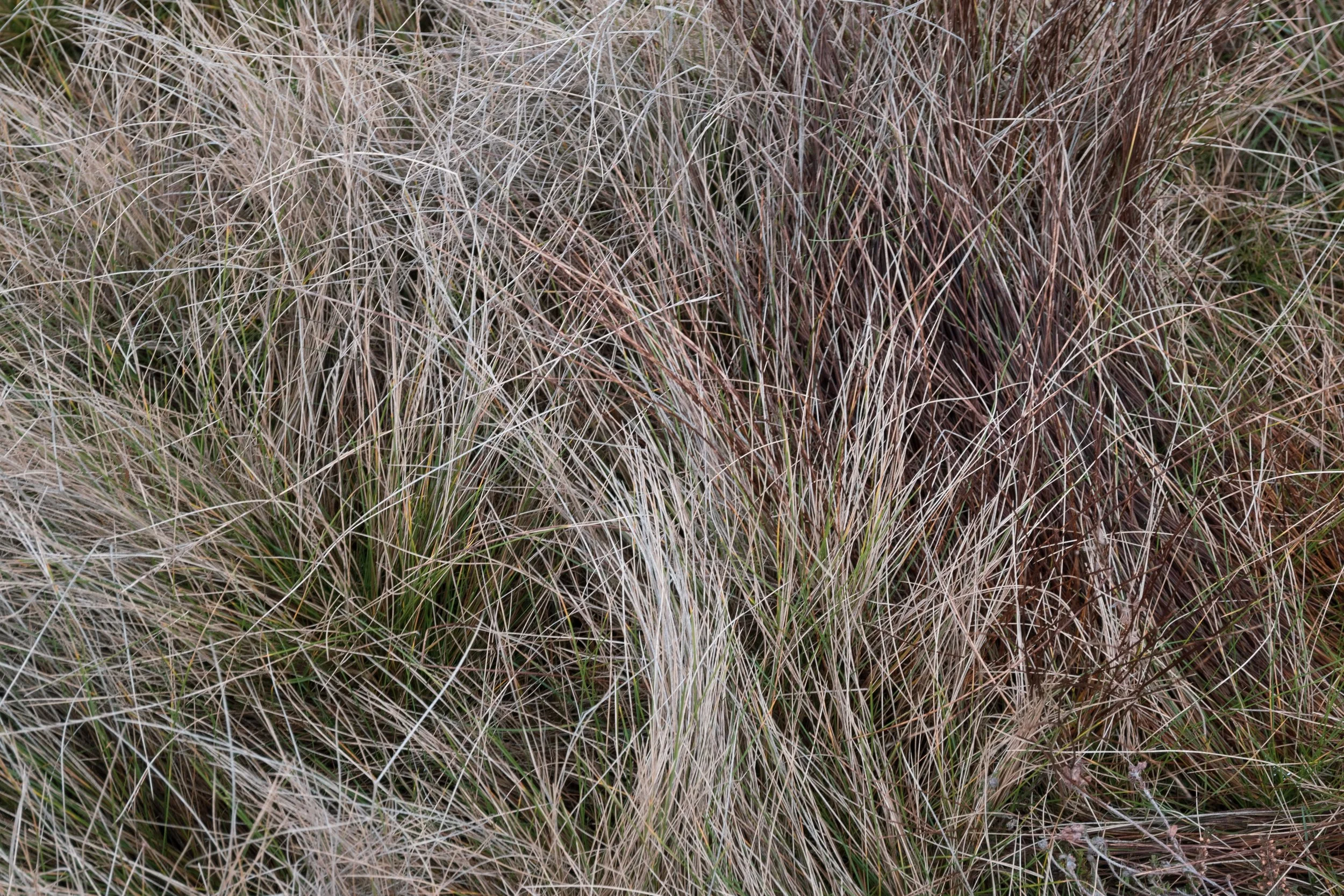
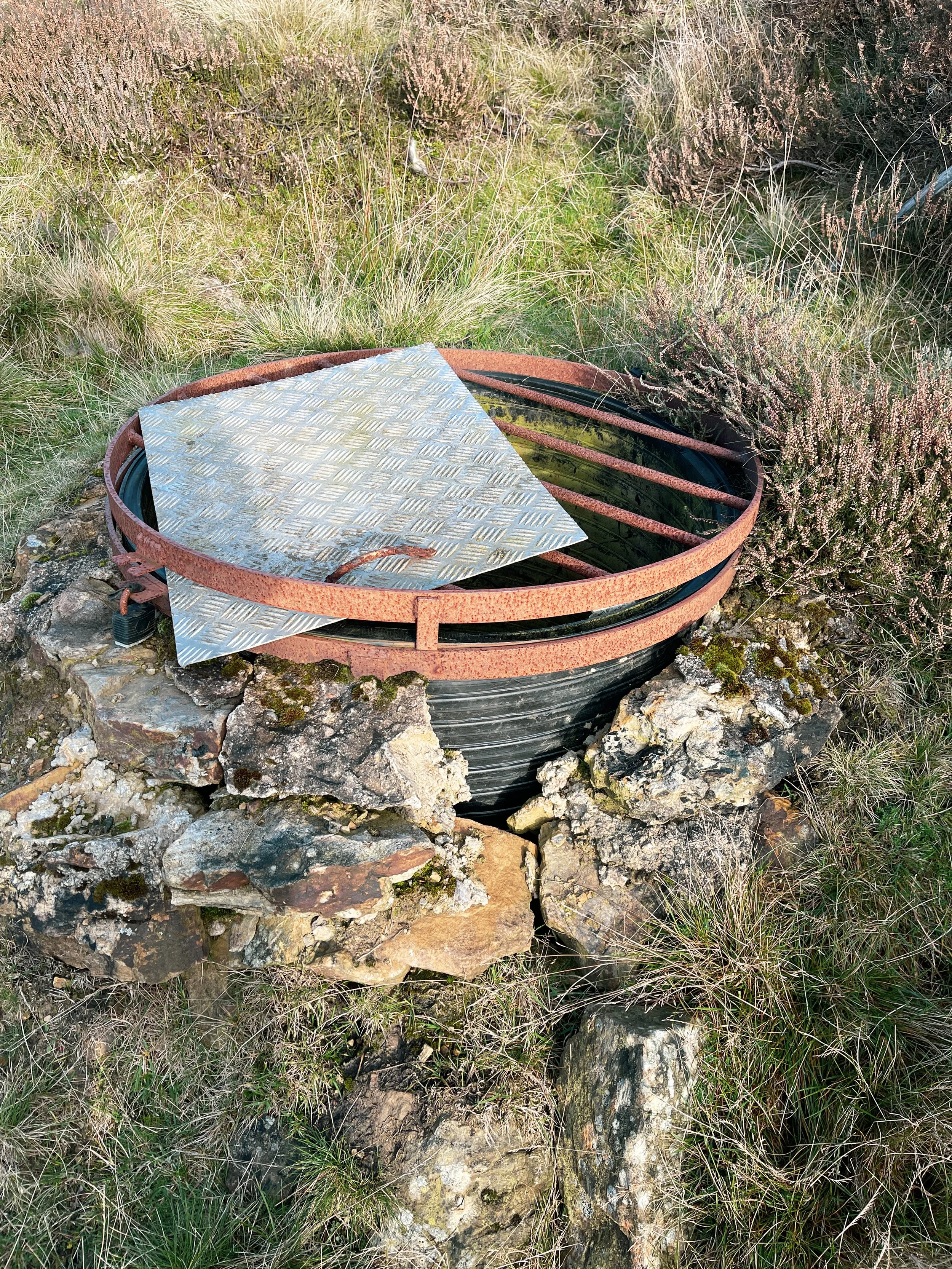
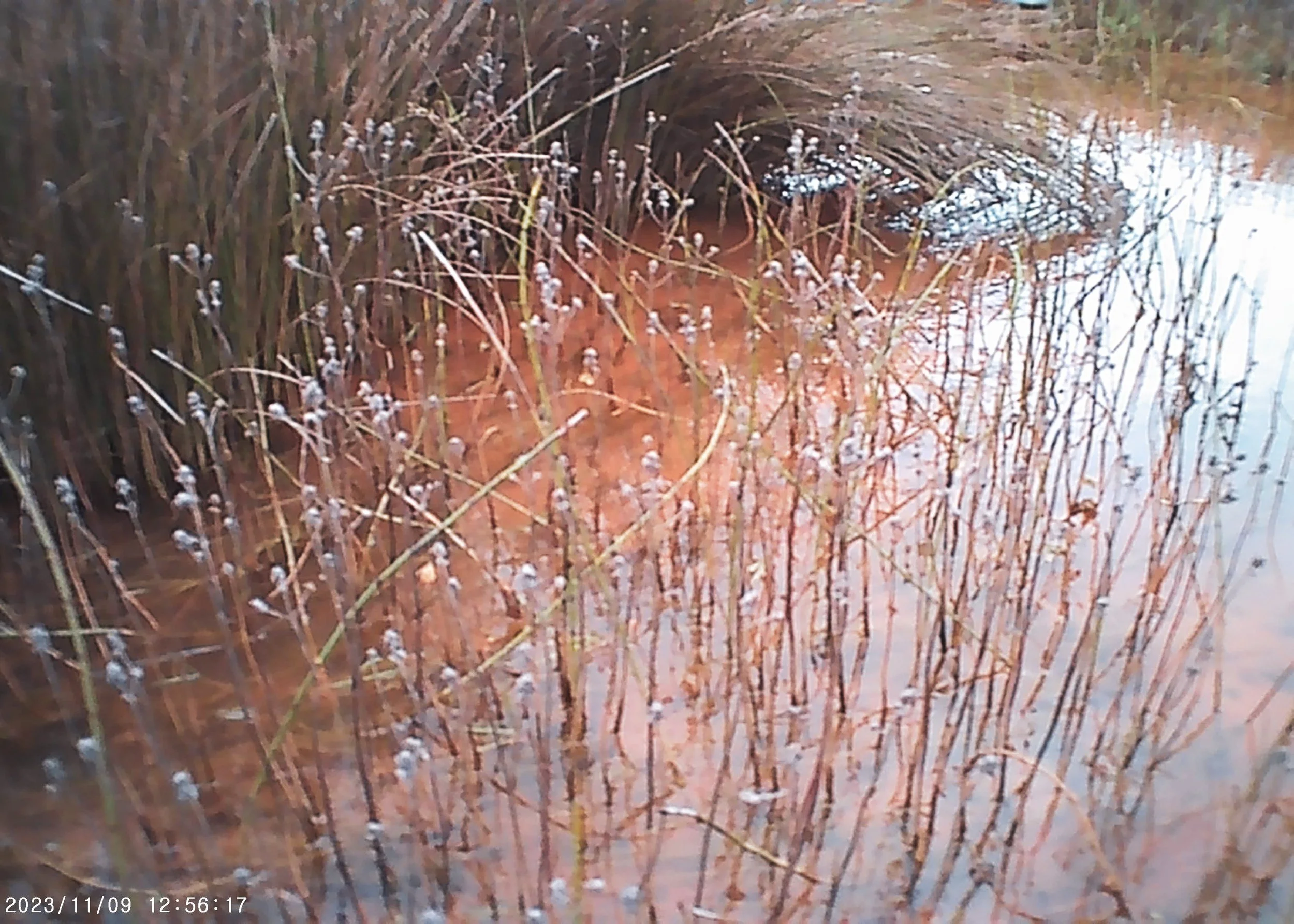
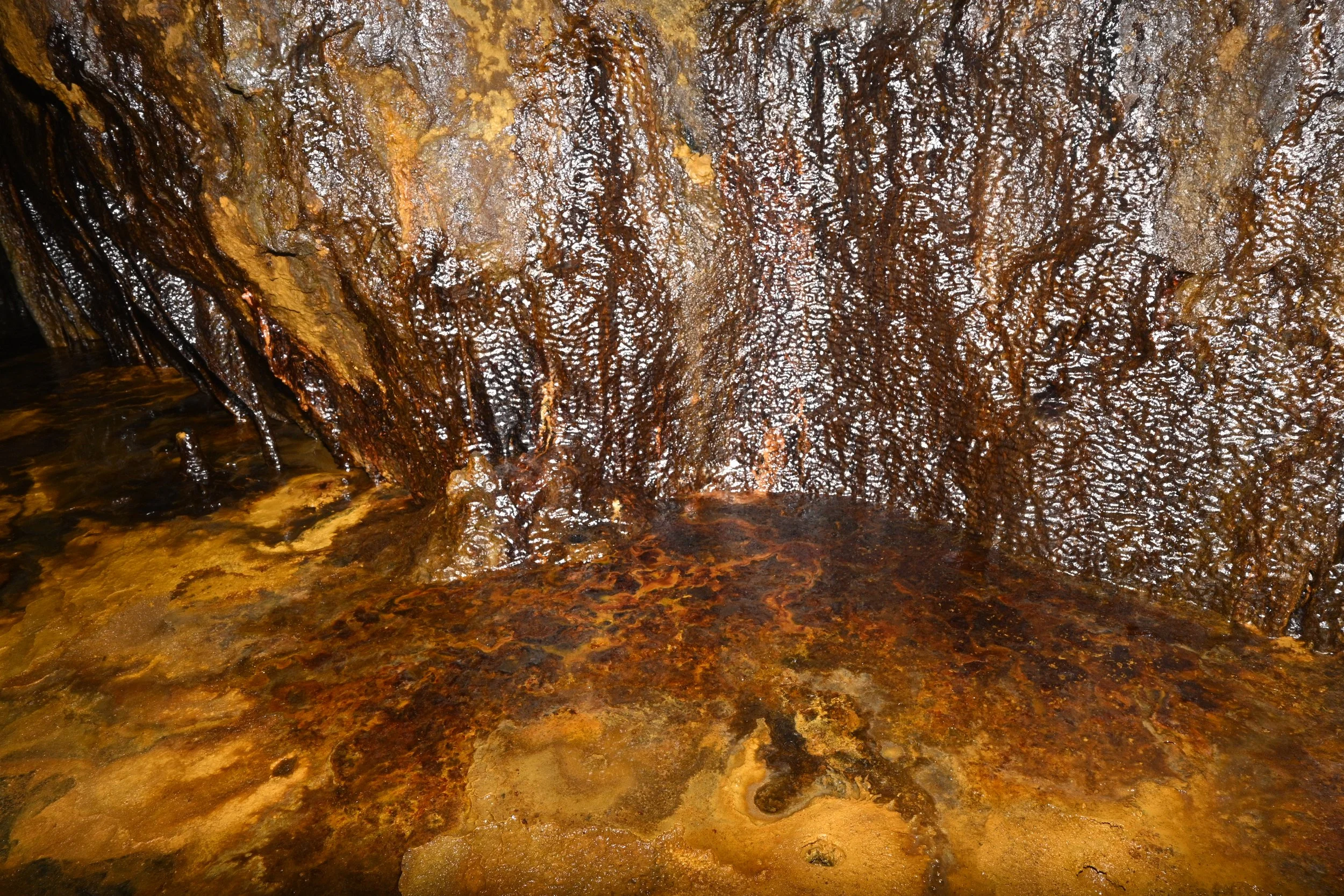
This body of work began at an abandoned ironstone mine on the North Yorkshire Moors, near Goathland. The mine was once an active site of extraction, feeding the industry around it. Now it is quiet and overgrown. Beneath the surface, however, there are still layers of its industrial past. In the old waste pools, thick deposits of clay remain from the washing and processing of ironstone. This is the clay I collect and bring back to the studio.
I keep finding myself returning to the mine. Each time I go back I seem to notice something different, or arrive with another idea about what the material could become. I like that the clay gives me a reason to return to the same place and look at it again. It has become a way of getting to know the landscape through its material rather than simply looking at it.
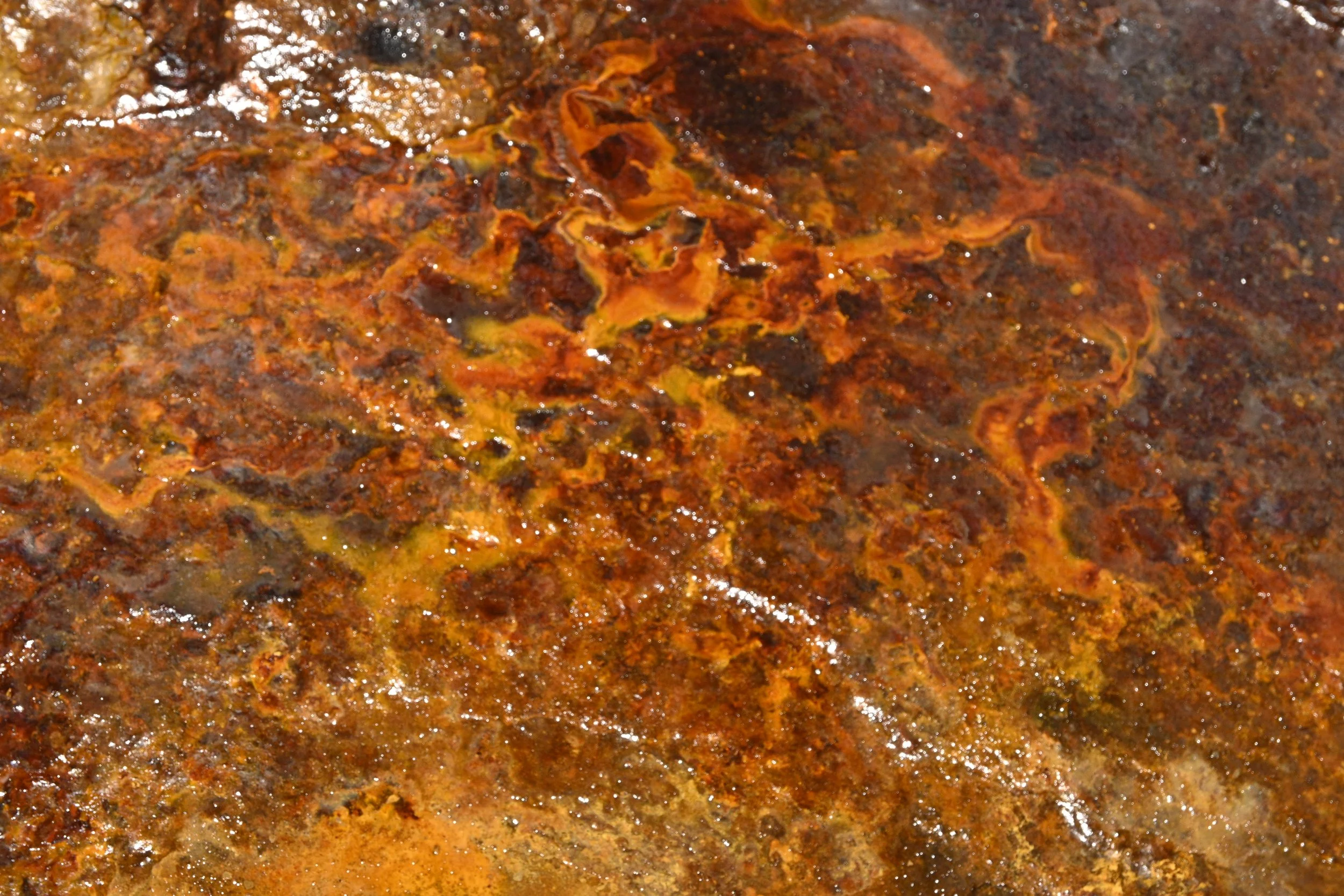
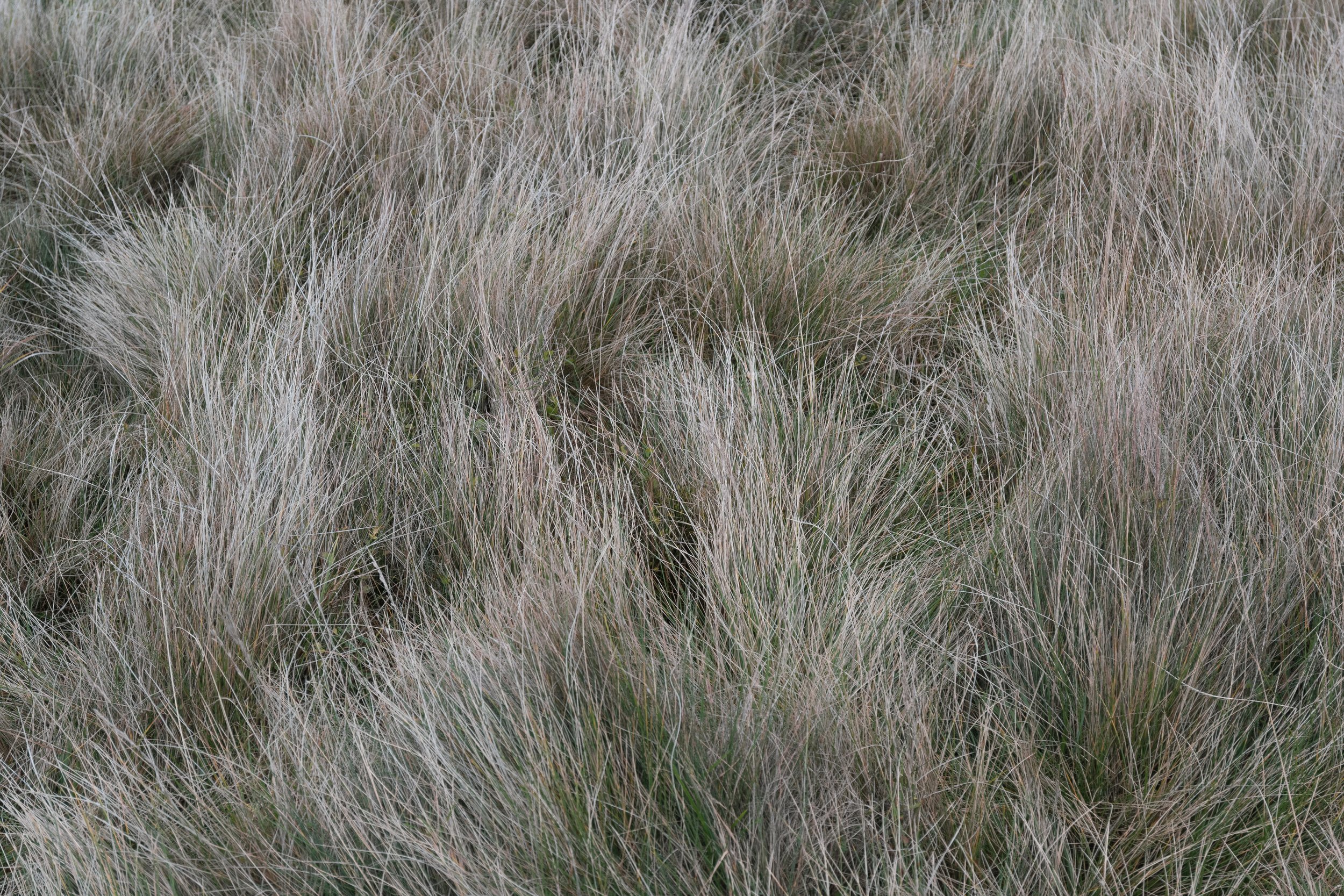
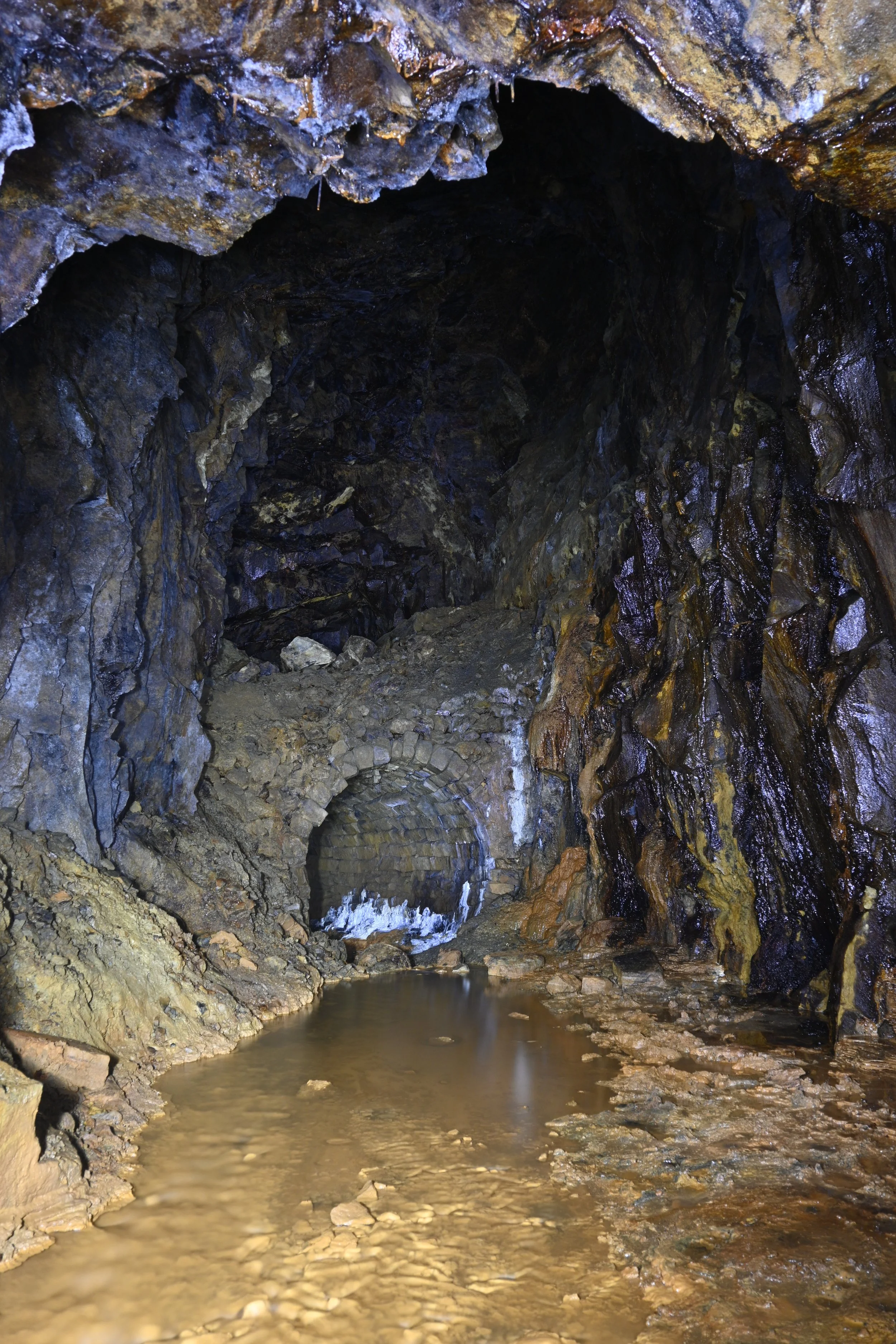
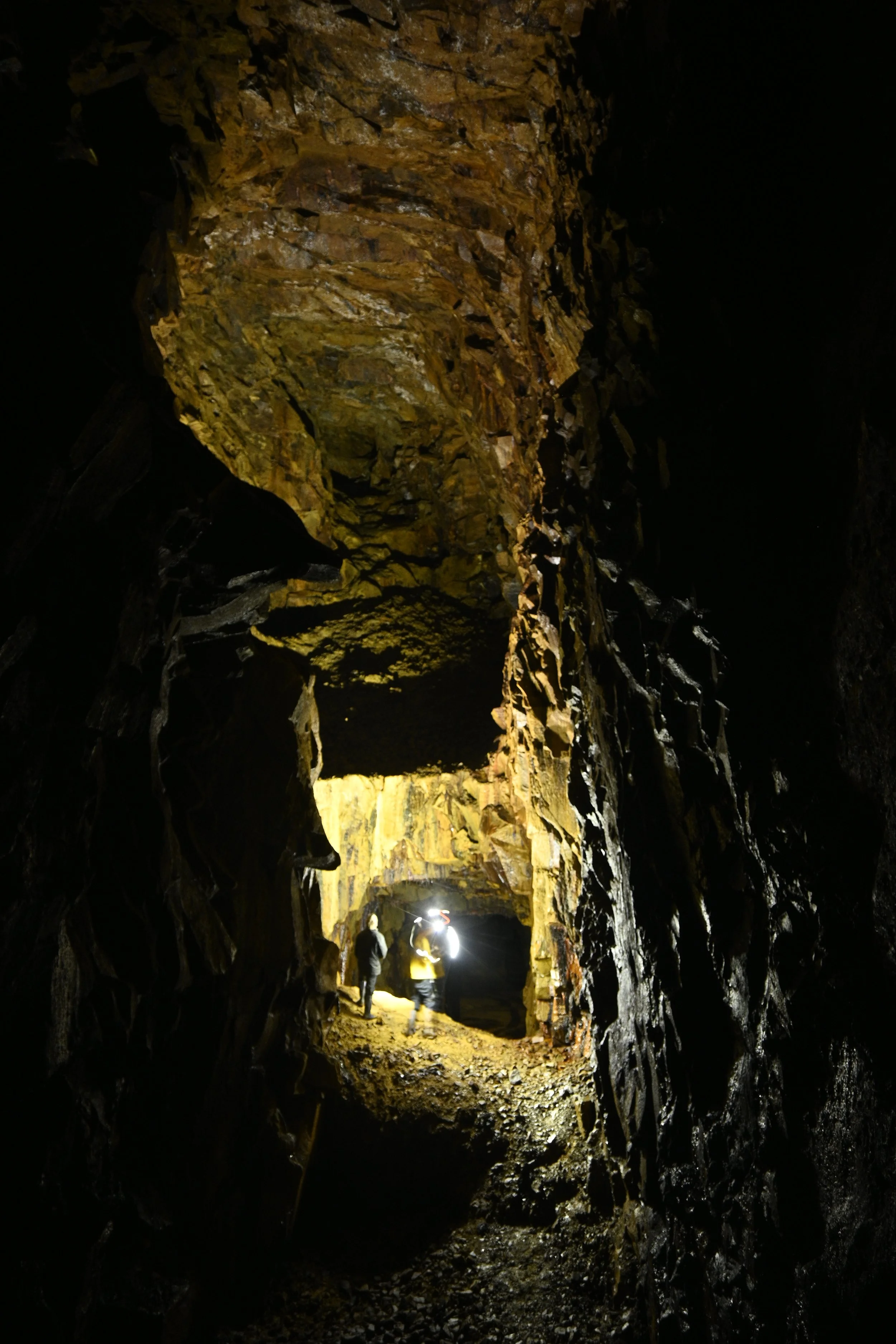
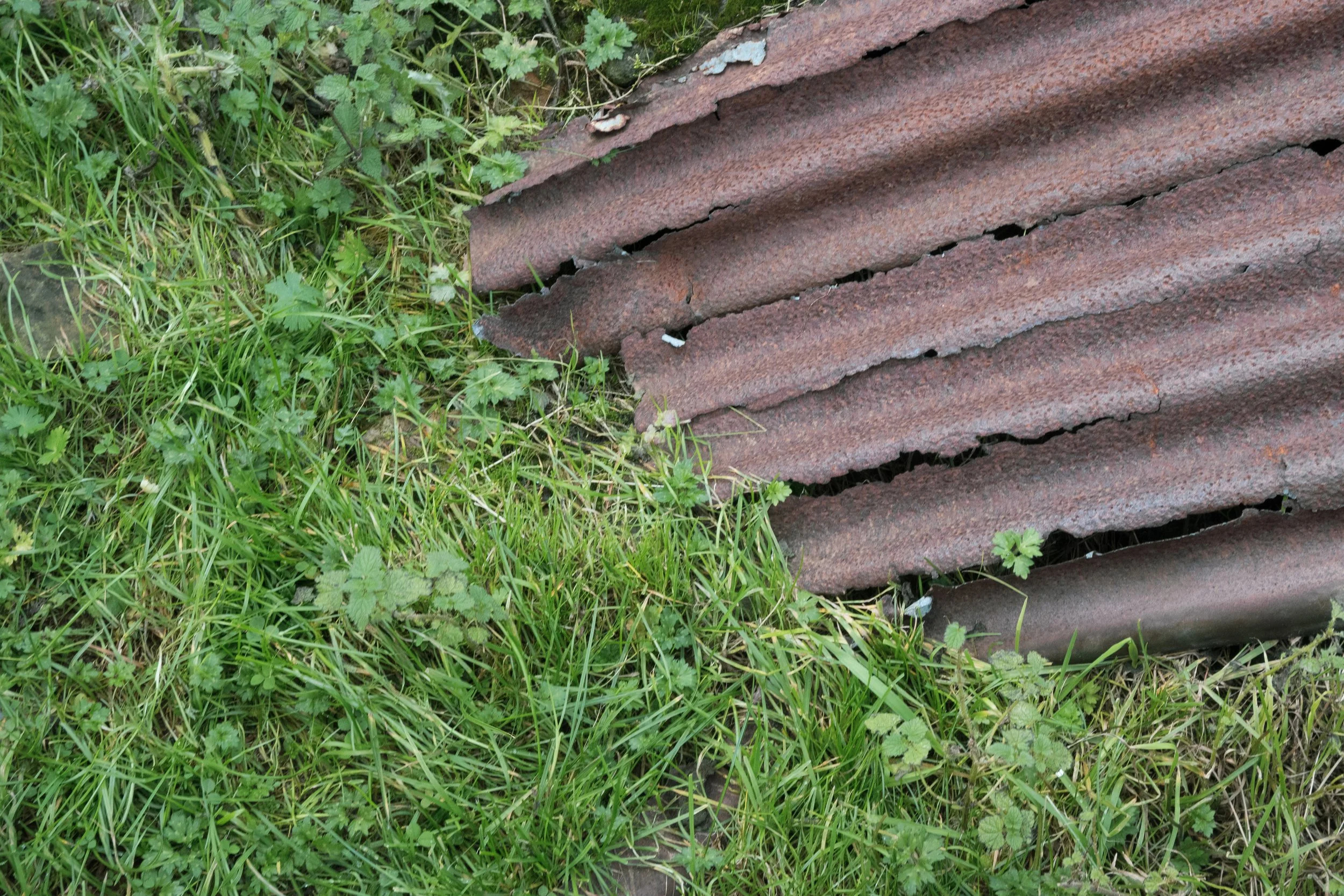
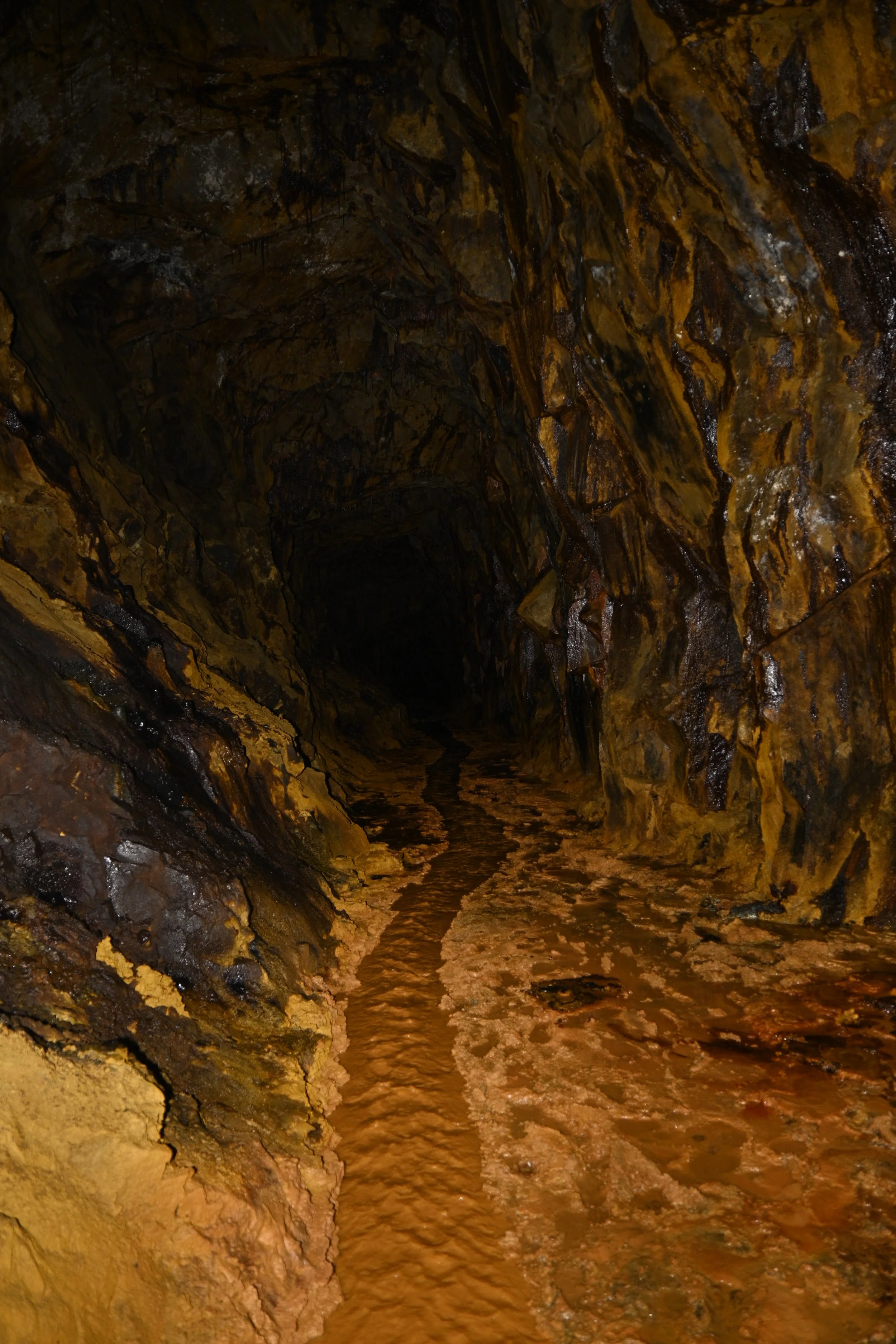
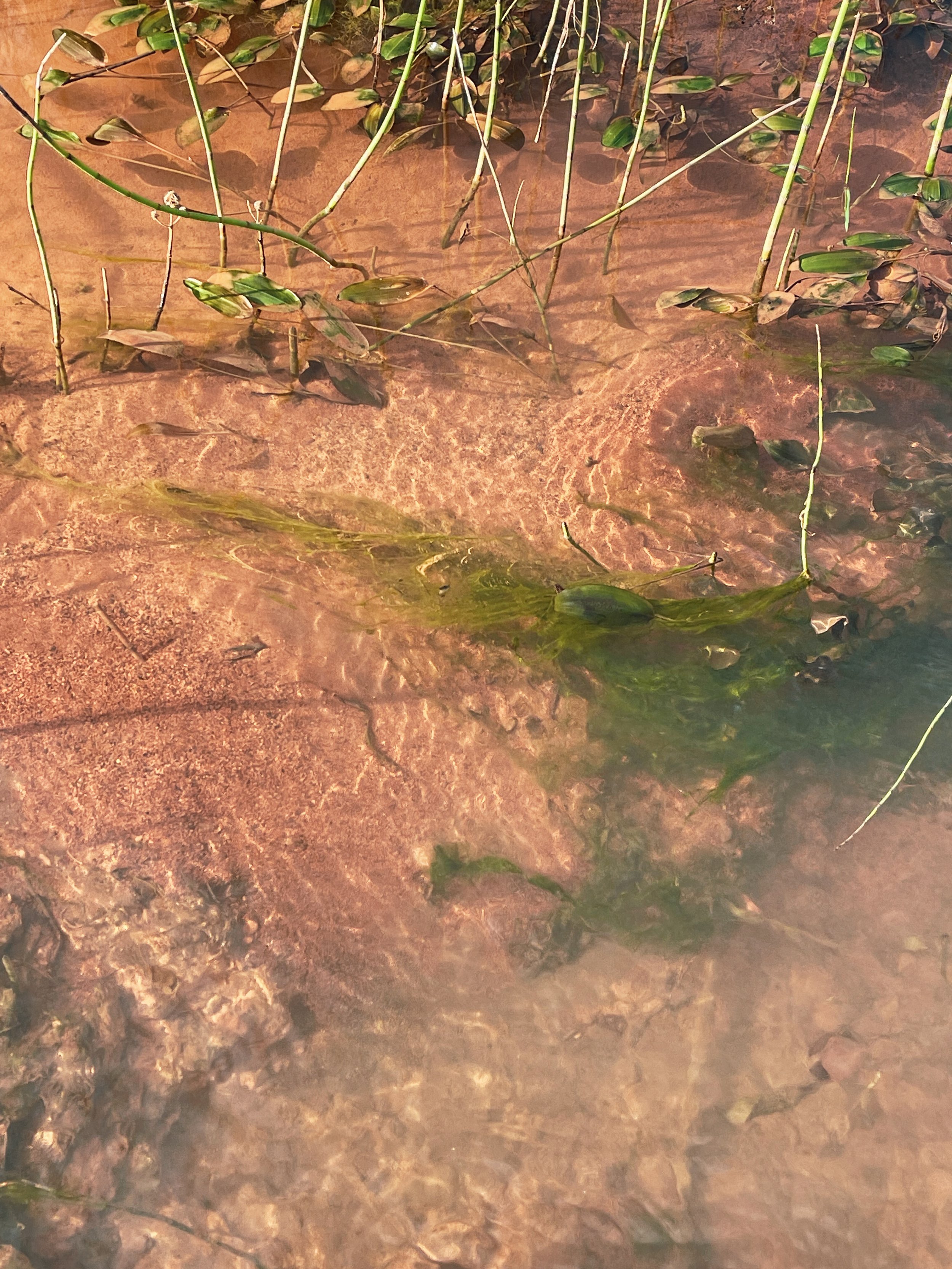
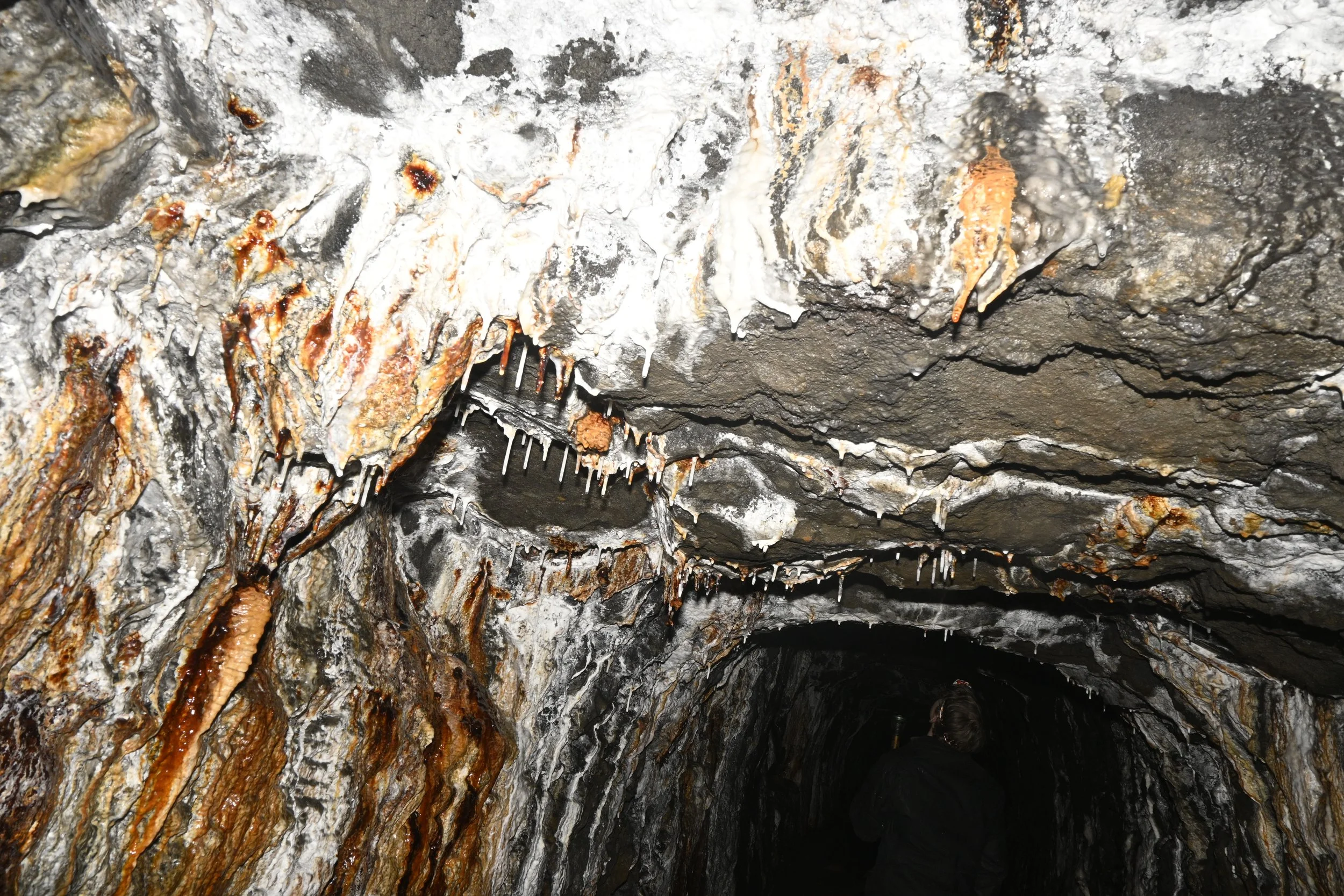
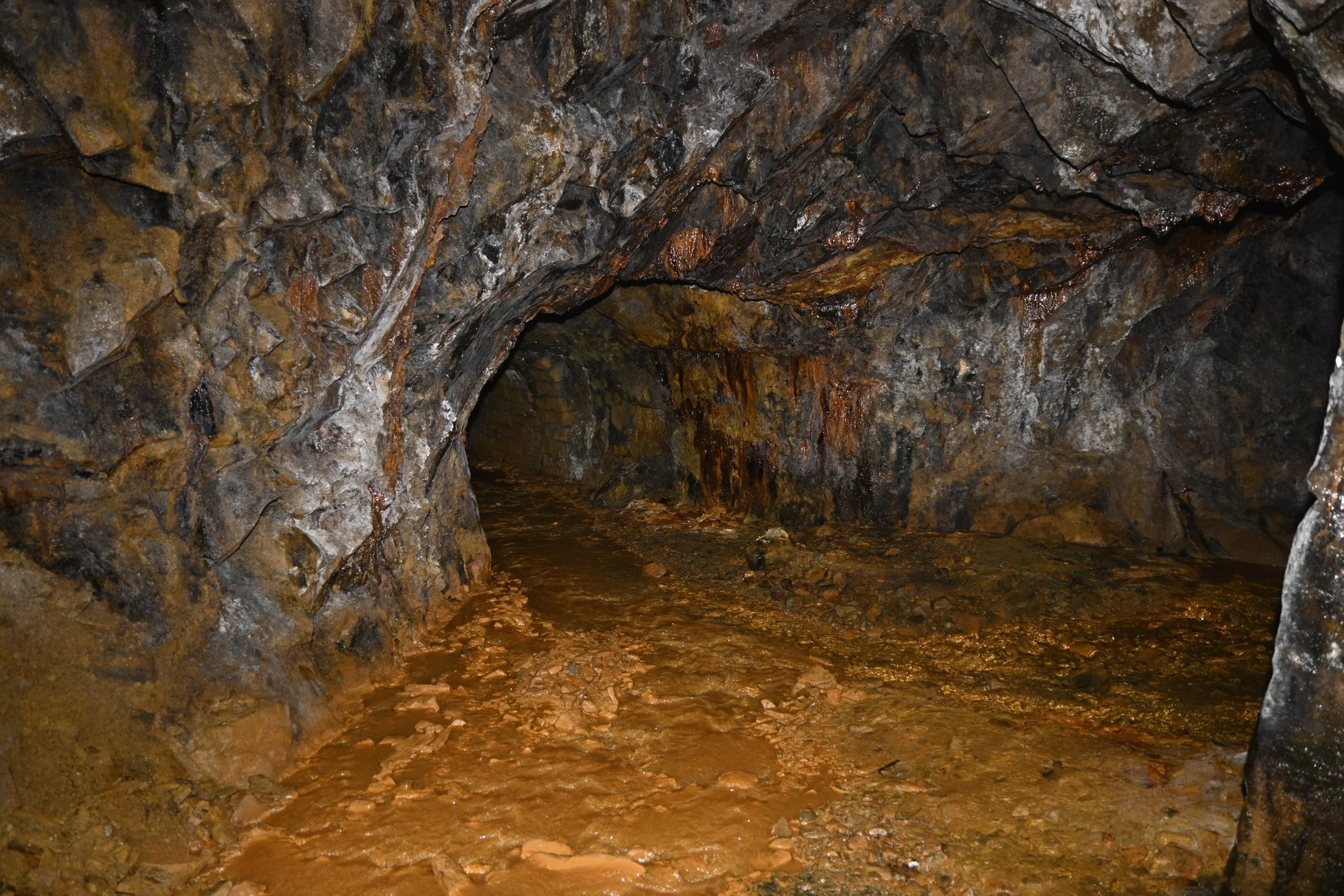
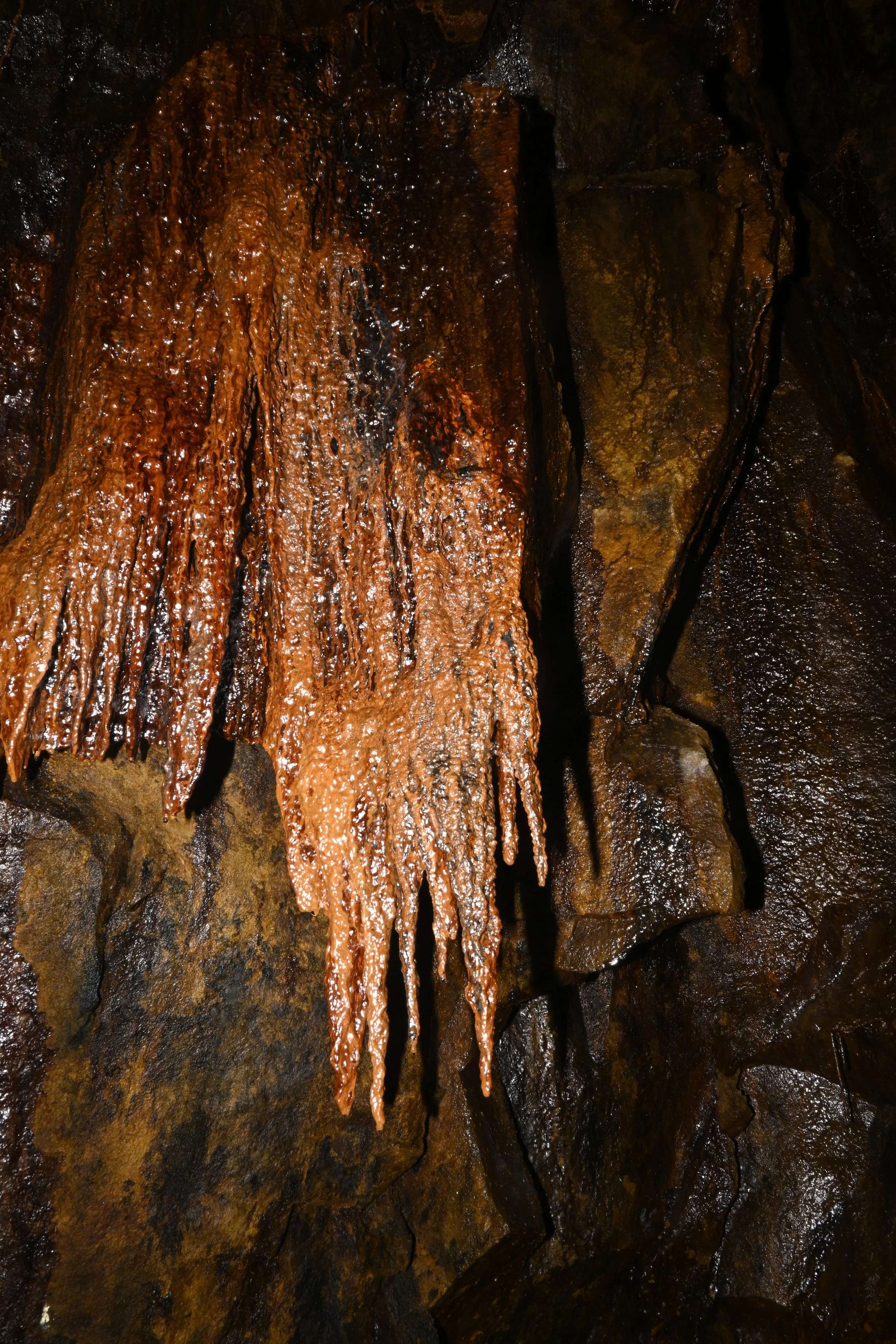
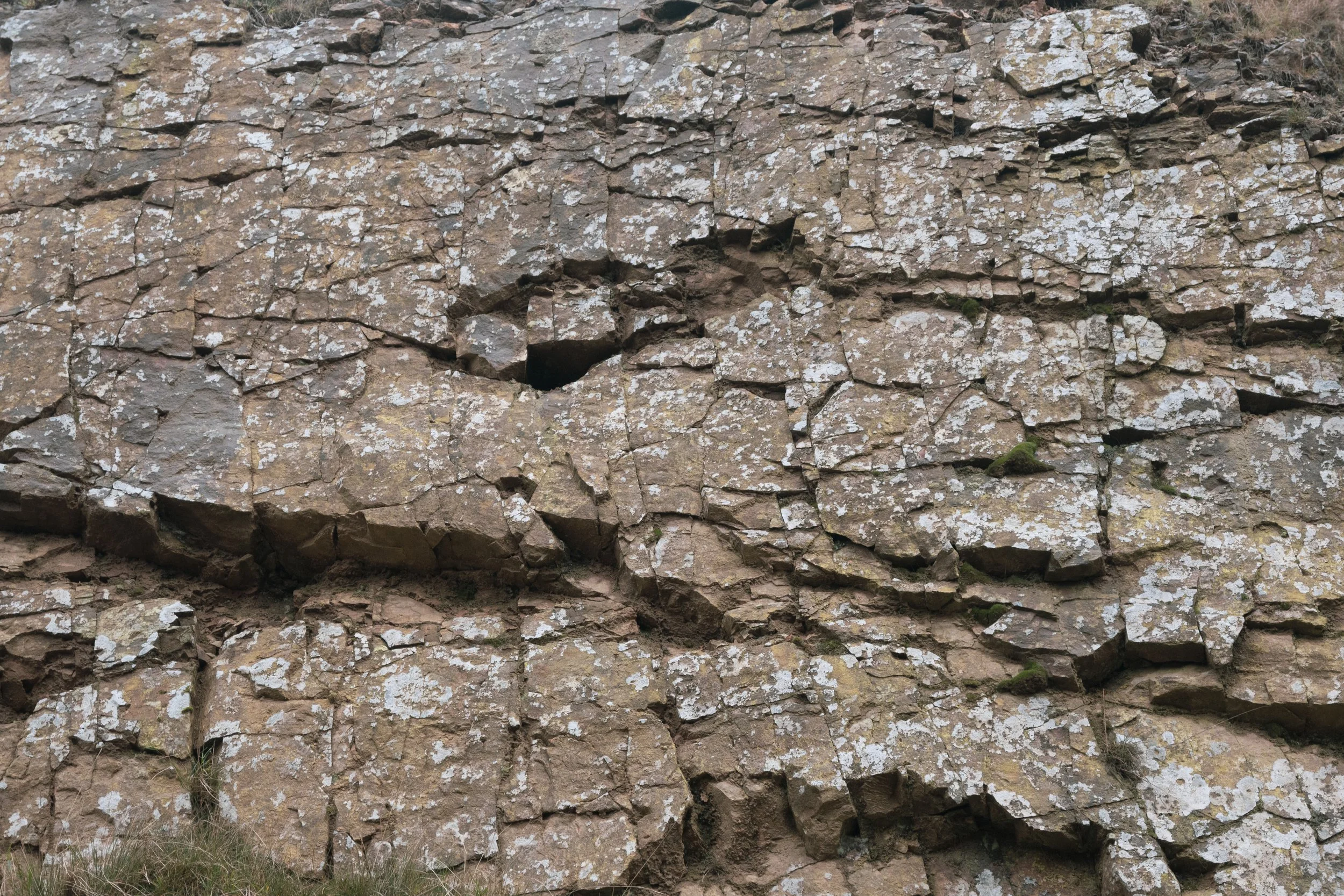
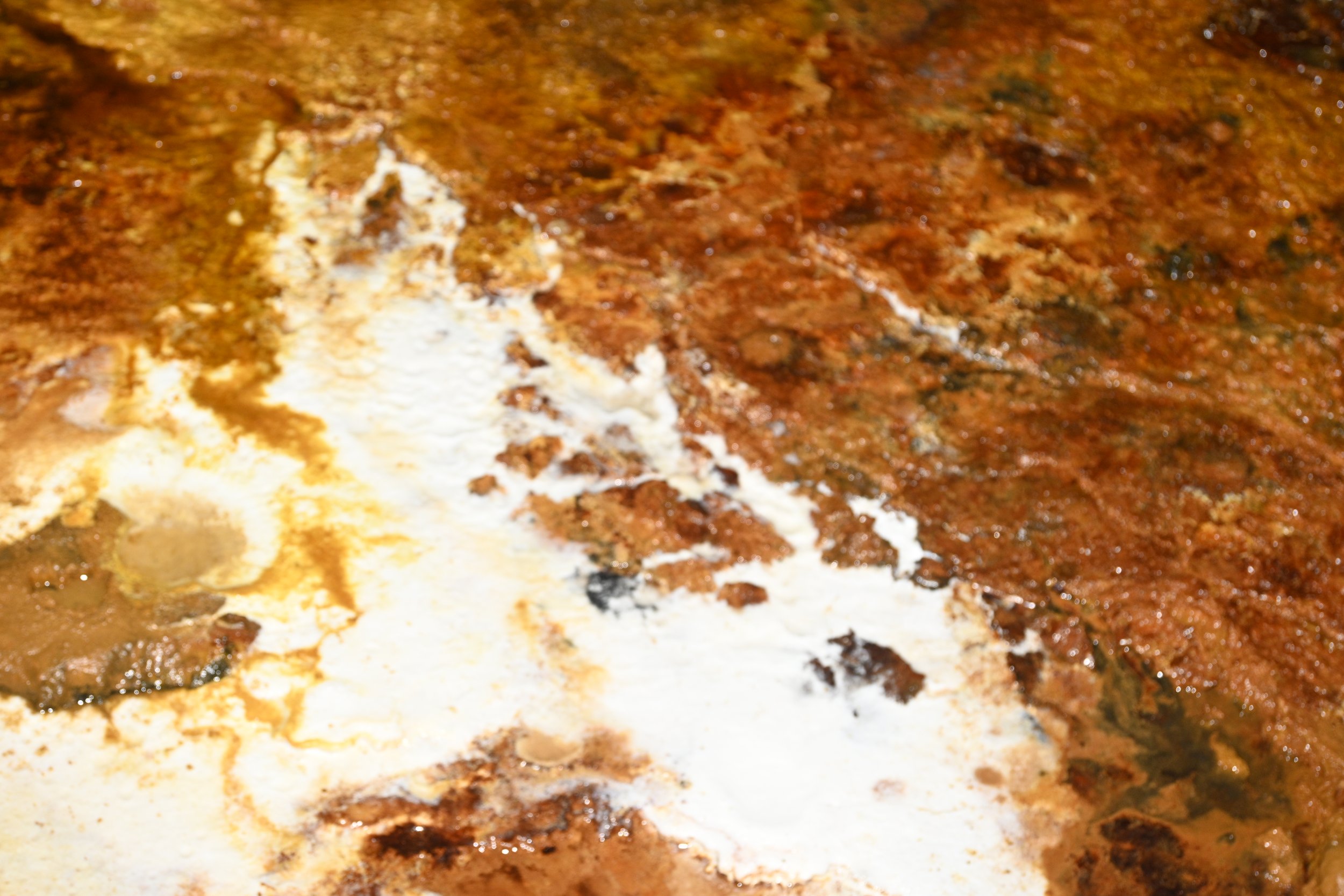
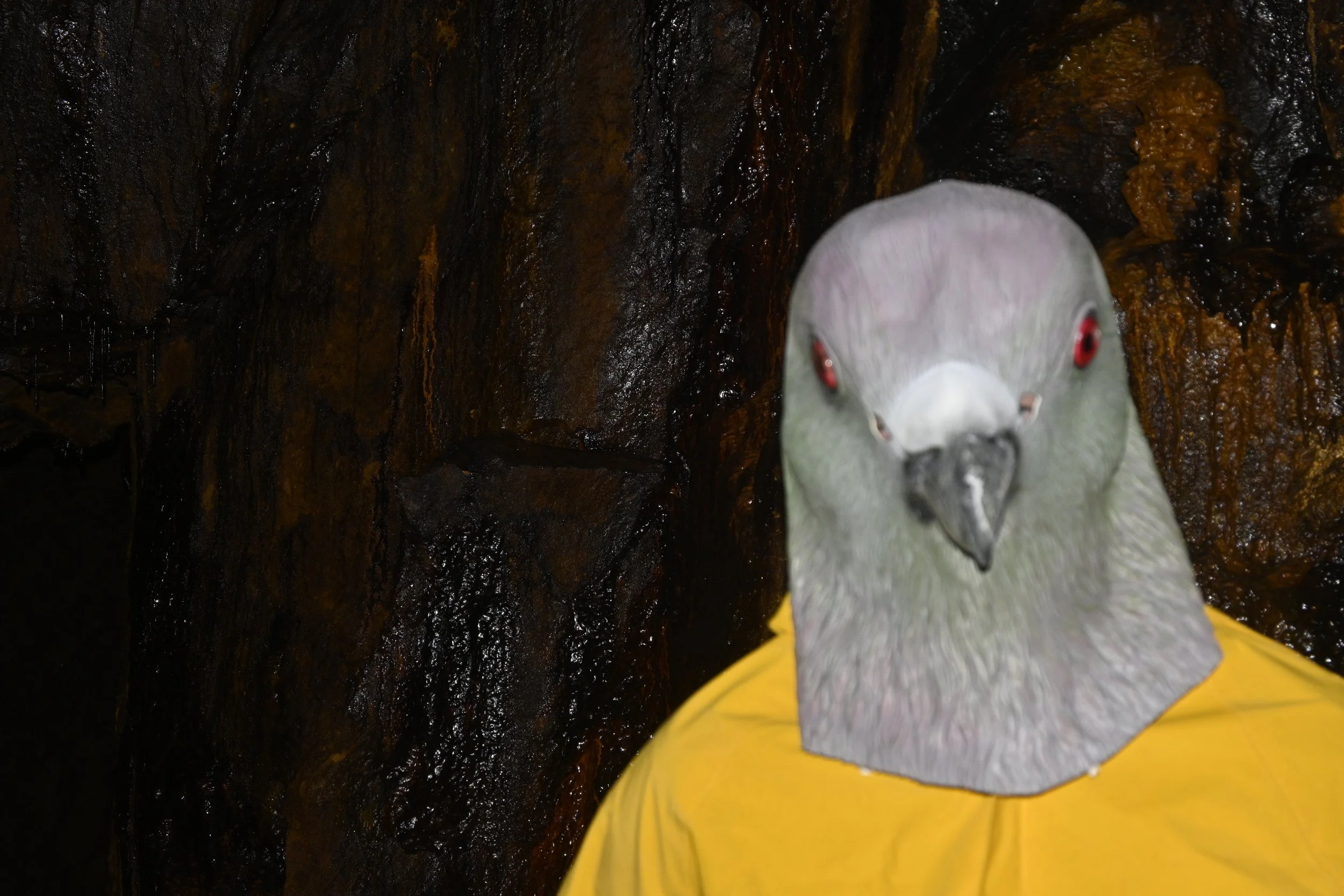
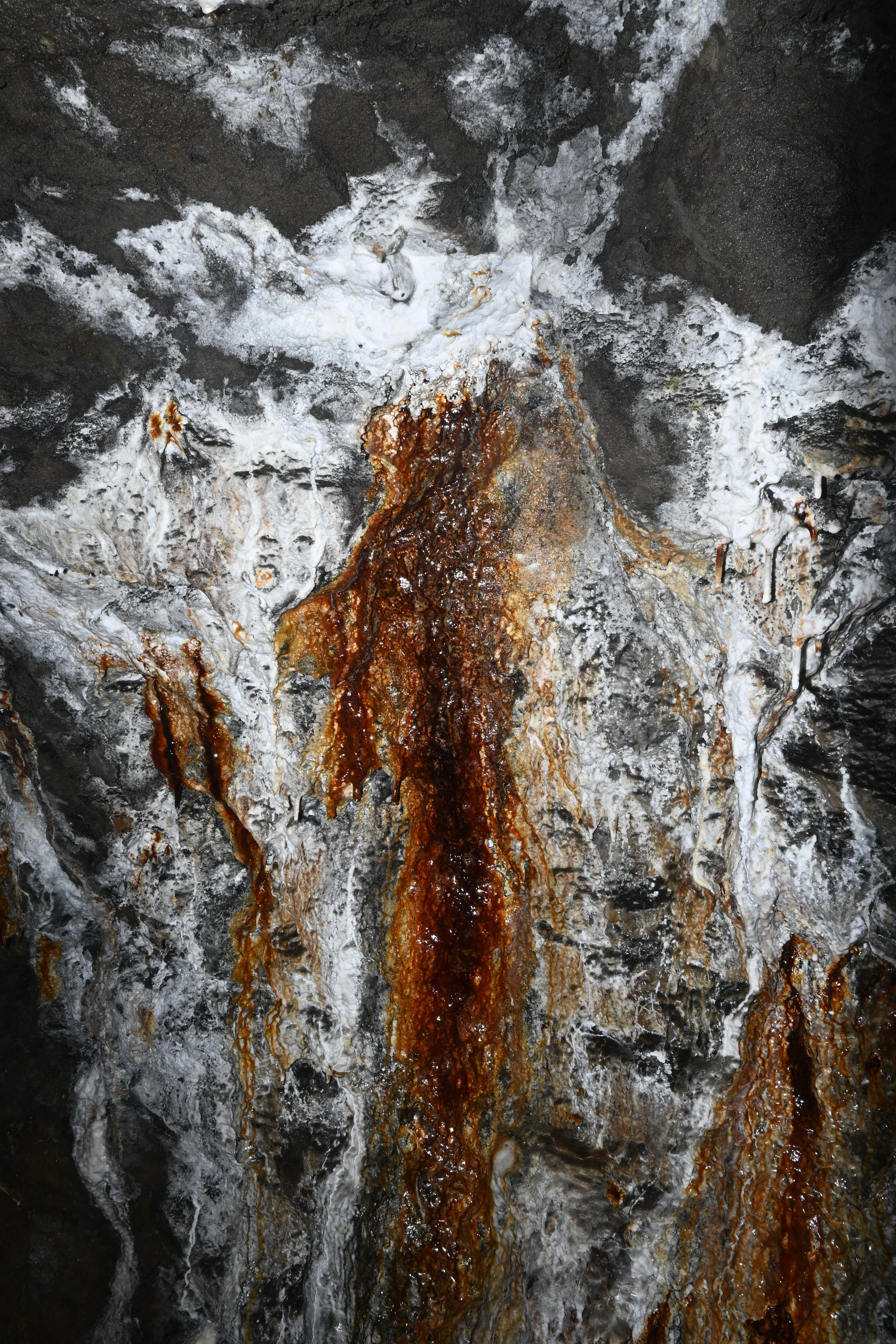
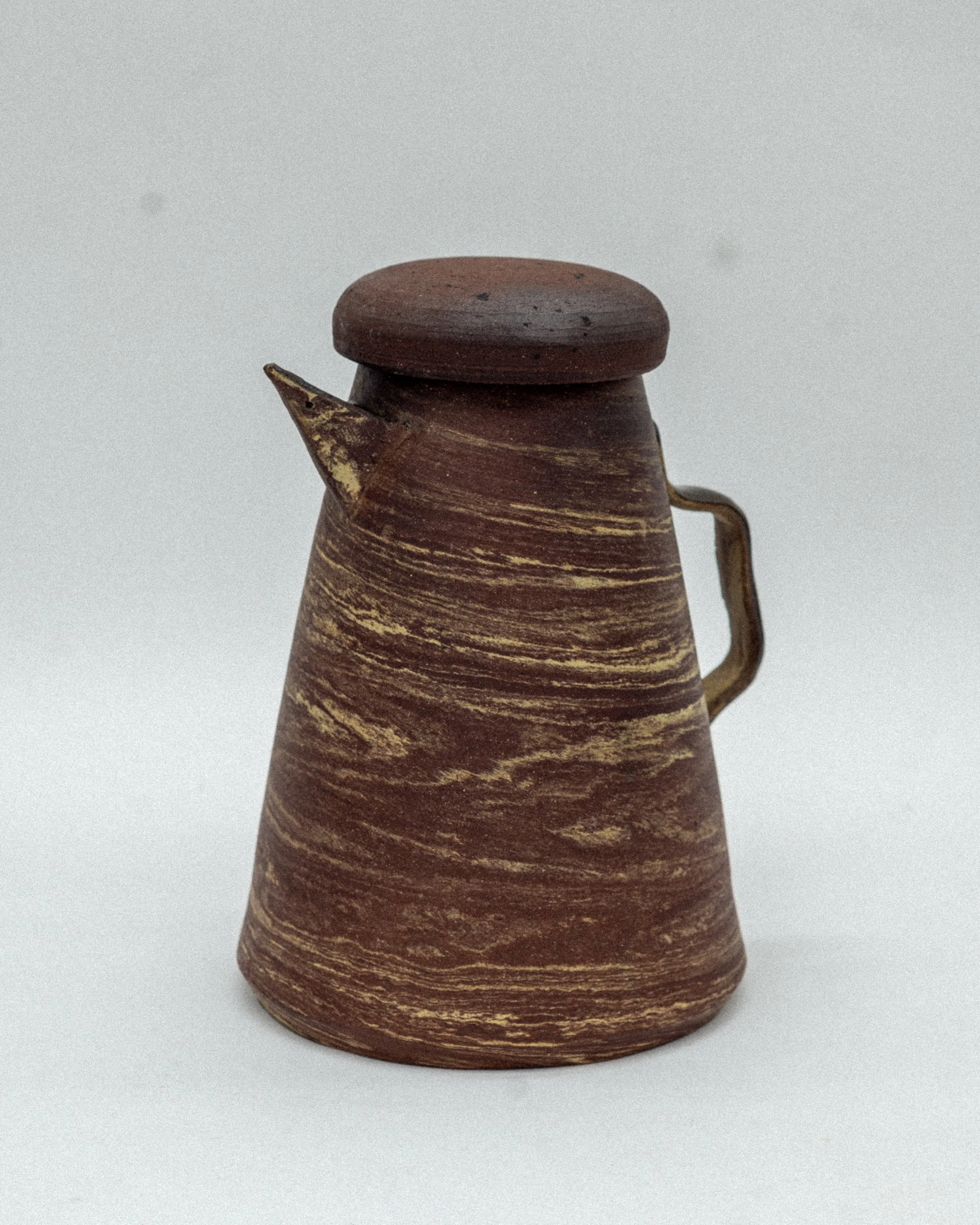
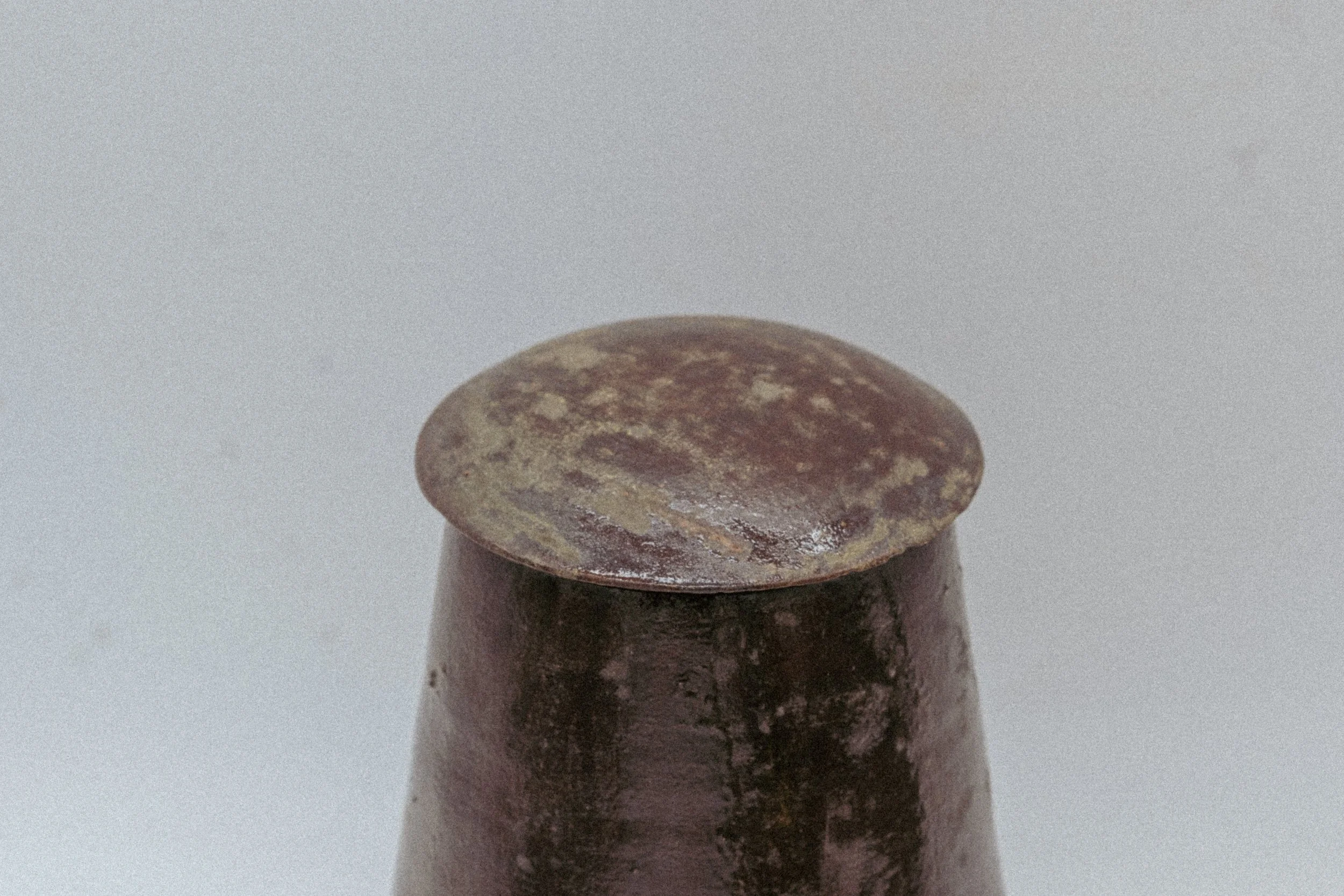
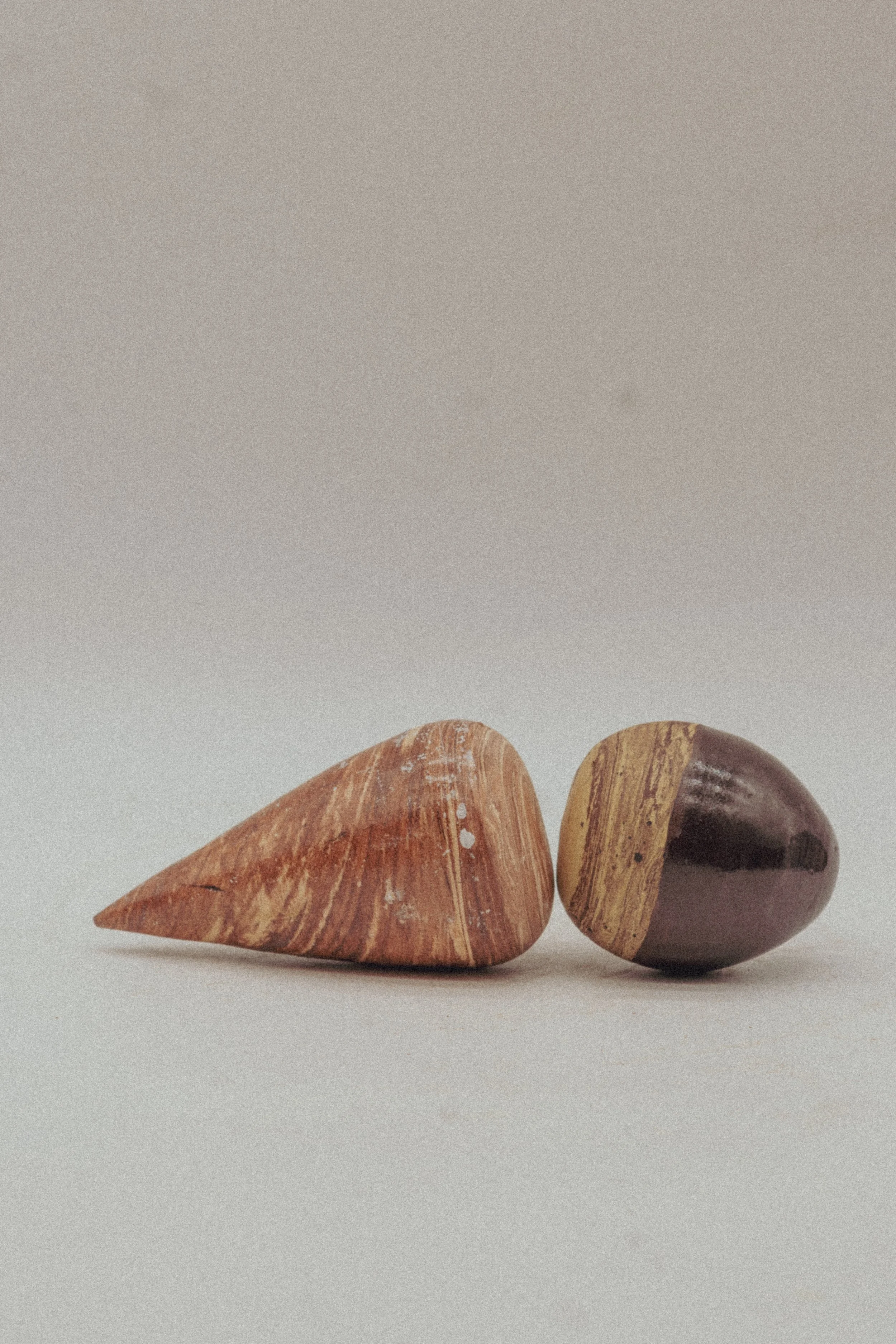
The clay is heavy, iron-rich and unpredictable. It can be difficult to throw and rarely behaves exactly as I expect it to. I tend to let this show in the finished vessels rather than trying to hide it. The rough surfaces, cracks, colour changes and marks that appear during firing reveal something of the material beneath the surface. When the clay is cut, worked and fired, the layers begin to reveal themselves — sediment, iron, stone and traces of the place where it was found. The vessels become records of this process.
The forms themselves draw from industrial objects: chimney pots, kerosen lamps, utility vessels and other things made to be useful and durable. I’m interested in these ordinary forms and the lives they might have had around places like the mine. By remaking them in clay from the same landscape, they become something slightly different. They are functional objects, but they also carry the place they came from.
The material has become increasingly important to me as a way of staying connected to home. I have travelled and moved around a lot in recent years, and there is something reassuring about being able to take a piece of the landscape with me. This clay is a physical marker of where I come from. I can put it into an object, carry that object somewhere else and still have a small piece of the Moors with me. In that sense, the clay has become a kind of transitional object,something that connects one place to another.
I am now developing this work into a series of stools made using the ironstone clay. The stool is a simple object, something that supports the body and becomes part of everyday life. I like the idea that sitting on one of these stools might create a small connection back to the landscape it came from. The material, the form and the act of sitting all become connected: the clay from beneath the mine, the land around Goathland, and the person sitting on it. In making these objects, I’m trying to carry a little bit of home with me, back to the Moors, back to Goathland, back home.
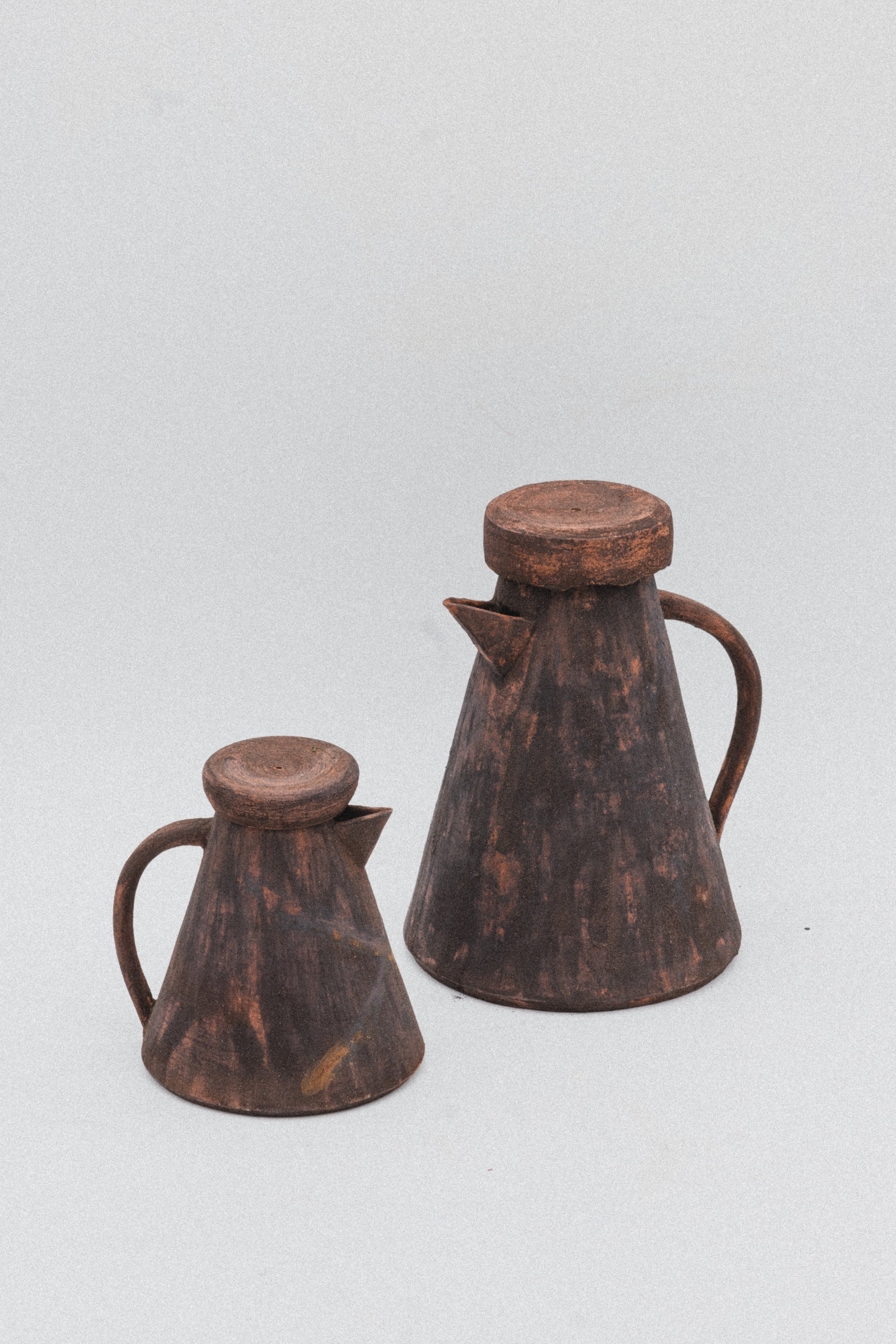
Some of these works are still available to purchase. If interested, please have a look at my shop or alternativley get in contact with me and we can discuss custom made work.